Genres
Make Music
Artists
Albums
Challenges
Sign in
Sign in
Albums
By Lindsey Stirling
Albums
By Lindsey Stirling
Brave Enough
August 19, 2016
Listen
2
/5
Genres
Bow Pop
Bow pop is a pop-oriented style centered on bowed string instruments—especially violin, viola, and cello—used as the primary lead and rhythm voices instead of guitars or synths. Acts typically appear as electric or amplified string quartets/ensembles or as solo violin/cello front-liners supported by modern pop production: drum programming, side‑chained pads, and bass drops. The result merges the immediacy of pop hooks with the timbral richness of orchestral strings, moving easily from cinematic swells and legato melodies to percussive stabs, chops, and ostinato riffs. Repertoire includes both original songs and string-led reimaginings of mainstream pop, rock, EDM, and R&B hits. A polished, cinematic sheen, catchy toplines carried by violin/cello, and rhythmically tight string arrangements are hallmarks of the sound.
Discover
Listen
Pop
Pop is a broad, hook-driven style of popular music designed for wide appeal. It emphasizes memorable melodies, concise song structures, polished vocals, and production intended for radio, charts, and mass media. While pop continually absorbs elements from other styles, its core remains singable choruses, accessible harmonies, and rhythmic clarity. Typical forms include verse–pre-chorus–chorus, frequent use of bridges and middle-eights, and ear-catching intros and outros. Pop is not defined by a single instrumentation. It flexibly incorporates acoustic and electric instruments, drum machines, synthesizers, and increasingly digital production techniques, always in service of the song and the hook.
Discover
Listen
Rock
Rock is a broad family of popular music centered on amplified instruments, a strong backbeat, and song forms that foreground riffs, choruses, and anthemic hooks. Emerging from mid‑20th‑century American styles like rhythm & blues, country, and gospel-inflected rock and roll, rock quickly expanded in scope—absorbing folk, blues, and psychedelic ideas—while shaping global youth culture. Core sonic markers include electric guitar (often overdriven), electric bass, drum kit emphasizing beats 2 and 4, and emotive lead vocals. Rock songs commonly use verse–chorus structures, blues-derived harmony, and memorable melodic motifs, ranging from intimate ballads to high‑energy, stadium‑sized performances.
Discover
Listen
Classical
Classical music is the notated art-music tradition of Europe and its global descendants, characterized by durable forms, carefully codified harmony and counterpoint, and a literate score-based practice. The term “classical” can refer broadly to the entire Western art-music lineage from the Medieval era to today, not just the Classical period (c. 1750s–1820s). It privileges long-form structures (such as symphonies, sonatas, concertos, masses, and operas), functional or modal harmony, thematic development, and timbral nuance across ensembles ranging from solo instruments to full orchestras and choirs. Across centuries, the style evolved from chant and modal polyphony to tonal harmony, and later to post-tonal idioms, while maintaining a shared emphasis on written notation, performance practice, and craft.
Discover
Listen
Similar albums
2013
In2ition
2CELLOS
2018
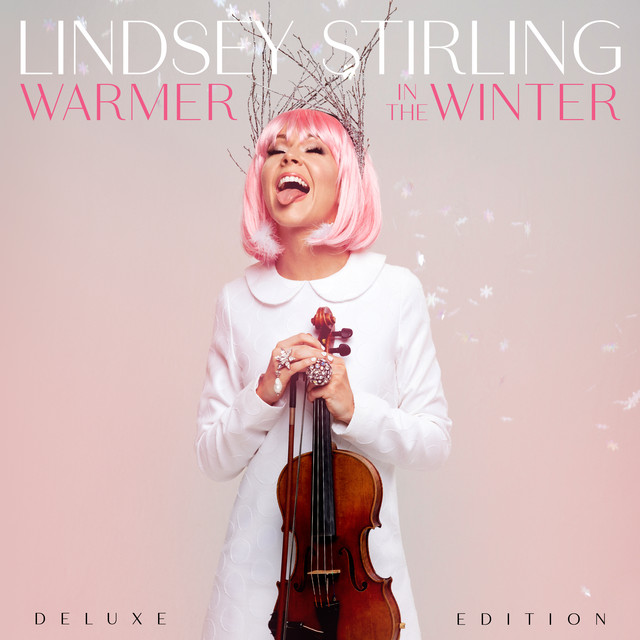
Warmer In The Winter (Deluxe Edition)
Lindsey Stirling
2019
Artemis
Lindsey Stirling
2002
Treasure Planet
John Rzeznik
1968
Volume 3
Fabrizio De André
1996
Dedicated to the One I Love
Linda Ronstadt
2019
Out of the Blue
"Blue" Gene Tyranny
2021
SOUR
Olivia Rodrigo
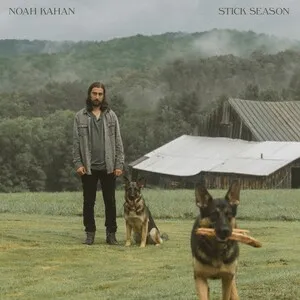
2022
Stick Season
Noah Kahan
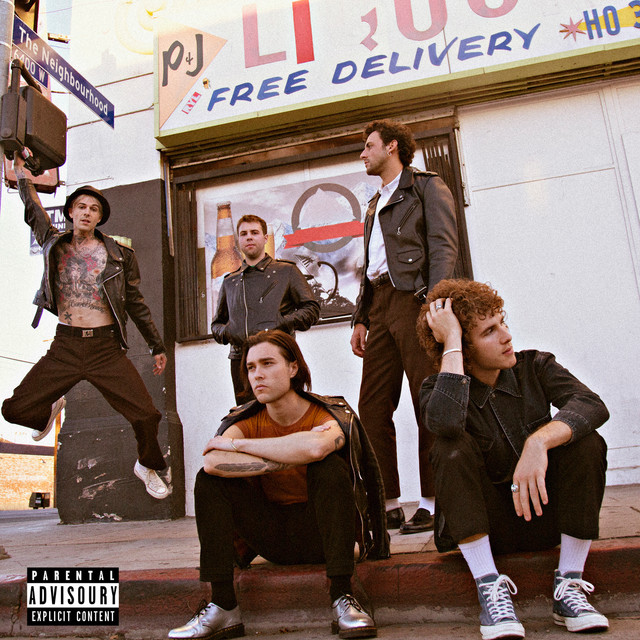
2018
Hard To Imagine The Neighbourhood Ever Changing
The Neighbourhood
Download our mobile app
Get the Melodigging app and start digging for new genres on the go
Download on the App Store
Get it on Google Play
© 2026 Melodigging
Give feedback
Legal
Melodding was created as a tribute to
Every Noise at Once
, which inspired us to help curious minds keep digging into music's ever-evolving genres.