Genres
Make Music
Artists
Albums
Challenges
Sign in
Sign in
Albums
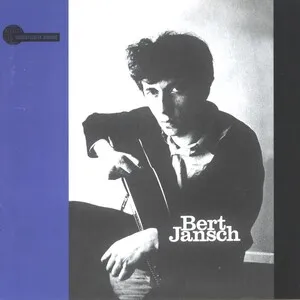
By Bert Jansch
Albums
By Bert Jansch
Bert Jansch
January 1, 1965
Listen
1
/5
Genres
Folk Baroque
Folk baroque is a strand of the British folk revival distinguished by intricate, classically informed fingerstyle guitar on steel‑string acoustics. Players borrow contrapuntal habits from Baroque lute and classical guitar—independent bass and melody, voice‑leading, and ornamentation—then fuse them with British and Celtic traditional tunes and ballads. The sound is modal and harmonically rich: drones, ground‑bass patterns, suspensions, and extended jazz/blues colorations are common. Alternate tunings (notably DADGAD) enable harp‑like resonance and sustained inner voices, while arrangements often feel like small chamber pieces rather than simple song accompaniments.
Discover
Listen
Folk Rock
Folk rock is a fusion genre that blends the narrative lyricism, modal melodies, and acoustic timbres of traditional folk with the backbeat, amplification, and song structures of rock. It typically pairs acoustic or traditional instruments (acoustic guitar, mandolin, fiddle) with a rock rhythm section (electric guitar, bass, drums), often featuring chiming 12‑string guitar textures, close vocal harmonies, and socially conscious or storytelling lyrics. The result ranges from intimate, reflective ballads with a steady backbeat to more anthemic, roots‑driven rock. Emerging in the mid‑1960s through artists such as Bob Dylan and The Byrds, folk rock became a gateway for traditional and roots materials to enter mainstream popular music, and it seeded later movements from country rock and Americana to jangle pop and modern indie folk.
Discover
Listen
Folk
Folk is a song-centered acoustic tradition rooted in community storytelling, everyday life, and social history. It emphasizes clear melodies, simple harmonies, and lyrics that foreground narrative, protest, and personal testimony. As a modern recorded genre, folk coalesced in the early-to-mid 20th century in the United States out of older ballad, work song, and rural dance traditions. It typically features acoustic instruments (guitar, banjo, fiddle, mandolin, harmonica), strophic song forms, and participatory singing (choruses, call-and-response).
Discover
Listen
Blues
Blues is an African American musical tradition defined by expressive "blue notes," call-and-response phrasing, and a characteristic use of dominant-seventh harmony in cyclical song forms (most famously the 12‑bar blues). It is as much a feeling as a form, conveying sorrow, resilience, humor, and hard-won joy. Musically, blues commonly employs the I–IV–V progression, swung or shuffled rhythms, and the AAB lyric stanza. Melodies lean on the minor/major third ambiguity and the flattened fifth and seventh degrees. Core instruments include voice, guitar (acoustic or electric), harmonica, piano, bass, and drums, with slide guitar, bends, and vocal melismas as signature techniques. Over time the blues has diversified into regional and stylistic currents—Delta and Piedmont country blues, urban Chicago and Texas blues, West Coast jump and boogie-woogie—while profoundly shaping jazz, rhythm & blues, rock and roll, soul, funk, and much of modern popular music.
Discover
Listen
Similar albums
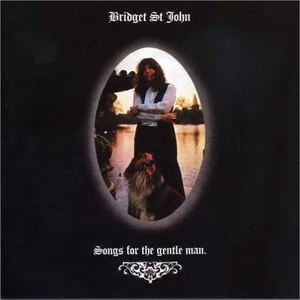
1971
Songs for the Gentle Man
Bridget St John
1969
Basket of Light
The Pentangle
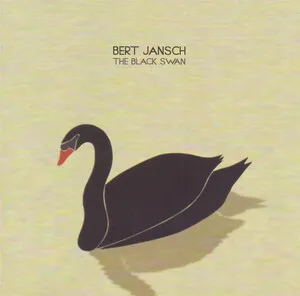
2006
The Black Swan
Bert Jansch
2023
Moving on Skiffle
Van Morrison
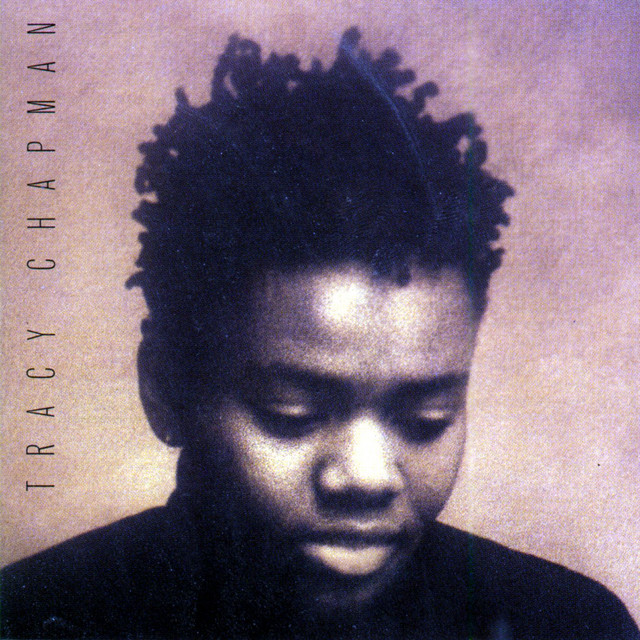
1988
Tracy Chapman
Tracy Chapman
1972
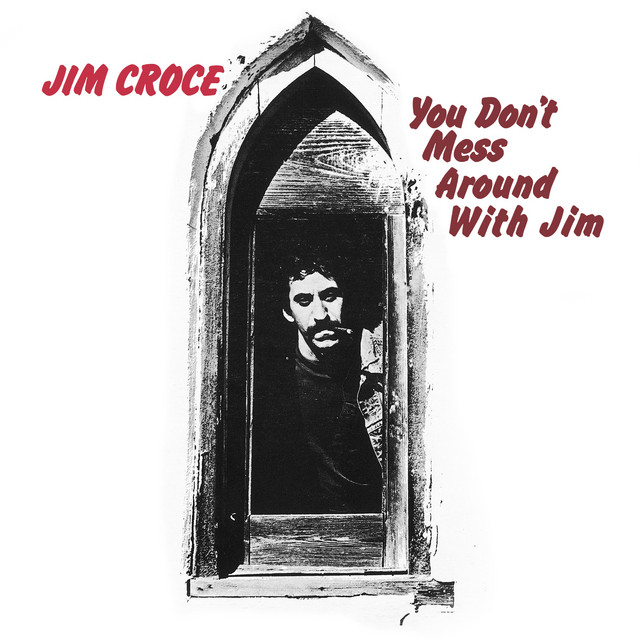
You Don't Mess Around With Jim
Jim Croce
1970
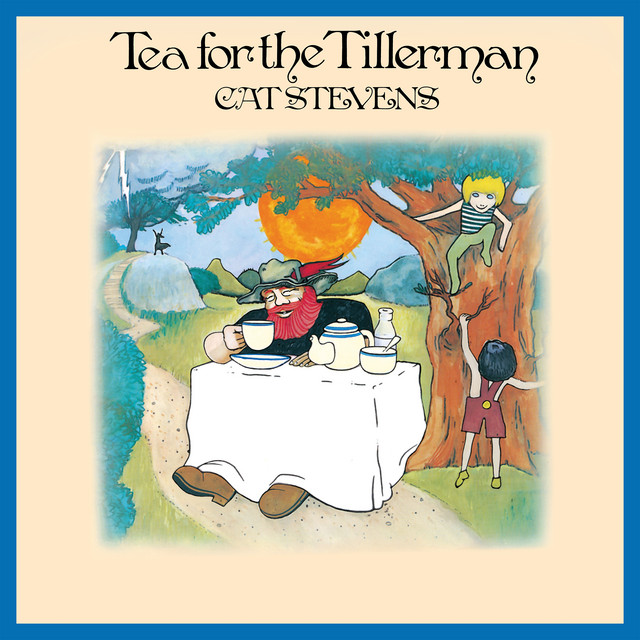
Tea For The Tillerman (Remastered 2020)
Yusuf / Cat Stevens
2009
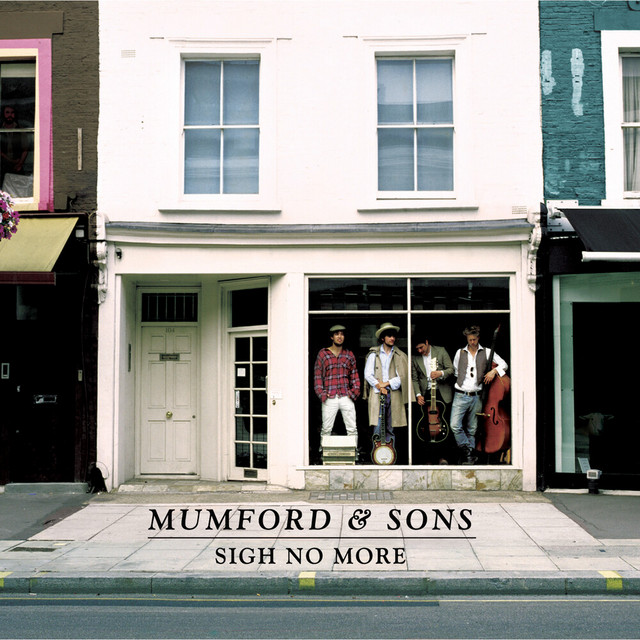
Sigh No More
Mumford & Sons
2006
Cars (Original Motion Picture Soundtrack)
James Taylor
1970
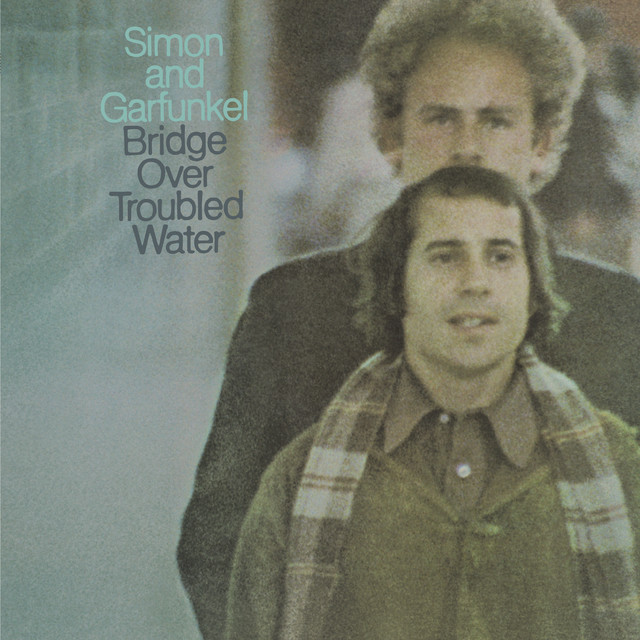
Bridge Over Troubled Water
Simon and Garfunkel
Download our mobile app
Get the Melodigging app and start digging for new genres on the go
Download on the App Store
Get it on Google Play
© 2026 Melodigging
Give feedback
Legal
Melodding was created as a tribute to
Every Noise at Once
, which inspired us to help curious minds keep digging into music's ever-evolving genres.