Genres
Artists
Albums
Make Music
Sign in
Sign in
Albums
By Bülent Ersoy
Albums
By Bülent Ersoy
Beddua
August 17, 2006
Listen
Genres
Arabesk
Arabesk is a Turkish popular music style characterized by deeply emotive singing, melodramatic lyrics, and melodies grounded in the makam (modal) tradition. It blends elements of Turkish classical/urban art music, regional folk timbres (especially the bağlama/saz), and lush orchestral arrangements inspired by mid-20th-century Middle Eastern film music. Typical performances feature melisma, expressive vibrato, microtonal inflections, and frequent use of the Hijaz/Phrygian dominant flavor, often at slow-to-mid tempos with prominent strings and acoustic instruments. Lyrical themes revolve around longing (gurbet), fate, heartbreak, social displacement, and moral struggle—reflecting the rural-to-urban migration experience that shaped modern Turkey.
Discover
Listen
Fantezi
Fantezi is a Turkish vocal genre that blends the modal world of Turkish Classical (Türk Sanat Müziği) and the melodic contours of Turkish Folk Music (Türk Halk Müziği) with the accessibility and production values of popular music. Emerging in the early Republican era and most associated with the period from the 1920s through the 1980s, fantezi pieces are typically sectional and free in design: different parts can shift tempo (usul) and character, moving between lyrical passages and more rhythmic, dance-inflected sections. Melodically they draw on makam (modes) such as Hicaz, Hüzzam, Nihavend, and Uşşak, but are delivered in a more commercial, urban and unorthodox fashion than strictly classical works. In practice, fantezi foregrounds ornate vocalism—melisma, microtonal inflections (commas), and expressive rubato—over lush arrangements for oud, bağlama, violin, kanun, clarinet, darbuka/def, and later keyboards, electric bass, and drum set. The result is a sentimental, urbane sound that connects art music tradition, folk idioms, and mass-market pop.
Discover
Listen
Turkish Classical
Turkish classical (Ottoman/Turkish art music) is a refined modal art tradition centered on the makam (scale/melodic behavior) system and cyclical rhythms called usul. It developed in the Ottoman court, Mevlevi lodges, and urban salons, using an intimate chamber instrumentation (ney, tanbur, ud, kemençe, kanun, keman) and highly ornamented vocal lines. Compositions follow characteristic forms such as peşrev and saz semaisi (instrumental), as well as vocal forms like beste, kar, semai, yürük semai, and the later şarkı. Improvisation (taksim) introduces and connects sections, exploring the seyir (melodic path) of the chosen makam with nuanced microtonal inflections. Its aesthetic emphasizes subtle emotion, controlled ornamentation, and measured development, with repertoire spanning sacred (Mevlevi ayin) and secular works. The tradition balances composed structure and spontaneous improvisation, cultivated through the meşk (master–apprentice) pedagogy.
Discover
Listen
Similar albums
2000
Alaturka 2000
Bülent Ersoy
1992
Ablan Kurban Olsun Sana
Bülent Ersoy
1995
Alaturka 1995
Bülent Ersoy
1984
Yaşamak İstiyorum
Bülent Ersoy
1989
Öptüm
Bülent Ersoy
1981
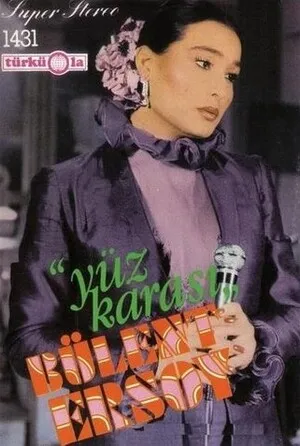
Yüz Karası
Bülent Ersoy
2006
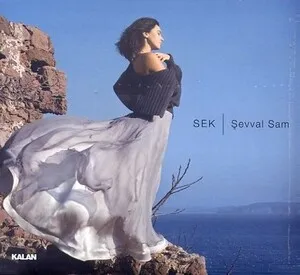
Sek
Şevval Sam
2006
Yüz Karası
Bülent Ersoy
1976
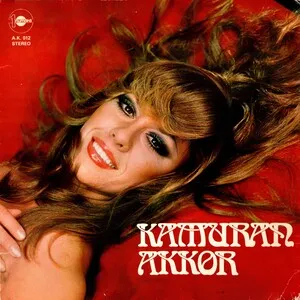
Kamuran Akkor
Kamuran Akkor
2011
Duygularım
Azer Bülbül
Download our mobile app
Get the Melodigging app and start digging for new genres on the go
Download on the App Store
Get it on Google Play
© 2026 Melodigging
Give feedback
Legal
Melodding was created as a tribute to
Every Noise at Once
, which inspired us to help curious minds keep digging into music's ever-evolving genres.