Genres
Make Music
Artists
Albums
Challenges
Sign in
Sign in
Albums
By Cheikh Lô
Albums
By Cheikh Lô
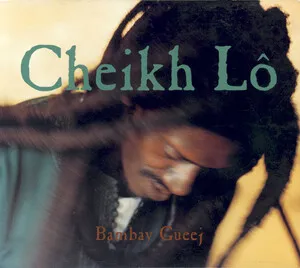
Bambay Gueej
January 1, 1999
Listen
1
/5
Genres
Mbalax
Mbalax is the high‑energy urban dance music of Senegal (and the wider Senegambia region, including The Gambia and parts of Mauritania). It fuses indigenous Wolof/Serer vocal styles and polyrhythmic sabar drum ensembles with modern electric bands and pop song forms. Rooted in the Serer ritual tradition of njuup (noted for call‑and‑response vocals, praise singing, and driving hand‑drum cycles), mbalax was shaped in the post‑colonial, pan‑ethnic city culture that formed around Dakar. From the late 1970s onward, singers and bands adapted sabar’s interlocking rhythms to electric bass, guitar, keyboards, horns, and the tama (talking drum), while drawing on Cuban son and Congolese rumba/soukous as well as American soul, funk, R&B, and pop. The result is a dazzling, syncopated groove—athletic in its percussion, melismatic in its vocals, and celebratory on the dance floor—that became Senegal’s signature popular style and a major West African musical export.
Discover
Listen
Afrobeat
Afrobeat is a horn-driven, polyrhythmic, and politically charged style that emerged in Nigeria, spearheaded by bandleader Fela Kuti and drummer Tony Allen. It fuses West African highlife and juju with American funk, jazz, and soul to create extended, hypnotic grooves. Typical tracks revolve around interlocking guitar and keyboard ostinatos, elastic bass vamps, dense percussion (shekere, congas, agogô, cowbell), and tightly arranged horn riffs that punctuate the beat. Vocals often use call-and-response and socially conscious lyrics, delivered in English, Nigerian Pidgin, or Yoruba. Harmonically sparse but rhythmically intricate, Afrobeat prioritizes feel: long, evolving arrangements, richly syncopated drum patterns, and sectional dynamics that spotlight solos and collective interplay.
Discover
Listen
Latin
Latin (as a genre label) is a broad umbrella used by the recording industry to categorize popular music rooted in Latin America, the Caribbean, and the Iberian world, often characterized by syncopated Afro-diasporic rhythms, dance-forward grooves, and lyrics primarily in Spanish or Portuguese. As a marketplace category that took shape in the mid-20th century United States, it gathers diverse traditions—Afro-Cuban, Brazilian, Mexican, and Caribbean styles—into a shared space. In practice, "Latin" spans everything from big-band mambo and bolero ballads to contemporary pop, rock, hip hop, and dance fusions produced by artists of Latin American heritage.
Discover
Listen
Jazz
Jazz is an improvisation-centered music tradition that emerged from African American communities in the early 20th century. It blends blues feeling, ragtime syncopation, European harmonic practice, and brass band instrumentation into a flexible, conversational art. Defining features include swing rhythm (a triplet-based pulse), call-and-response phrasing, blue notes, and extended harmonies built on 7ths, 9ths, 11ths, and 13ths. Jazz is as much a way of making music—spontaneous interaction, variation, and personal sound—as it is a set of forms and tunes. Across its history, jazz has continually hybridized, from New Orleans ensembles and big-band swing to bebop, cool and hard bop, modal and free jazz, fusion, and contemporary cross-genre experiments. Its influence permeates global popular and art music.
Discover
Listen
Wolof Music
Wolof music refers to the traditional and contemporary musical practices of the Wolof people of Senegal (and in parts of The Gambia and Mauritania). It centers on richly layered percussion, call-and-response vocals, praise-singing by hereditary griots (gewel), and dance-driven forms. Core timbres come from the sabar drum family (played with one stick and one hand), the tama (talking drum), and the xalam (a skin-stringed lute). Vocals often alternate between solo griot lines, antiphonal choruses, and spoken-sung poetic declamation (taasu), all delivered in Wolof language. Melodically, pieces gravitate around modal centers rather than extended harmonic progressions, while rhythmically they employ polyrhythms, off-beat accents, and dramatic breaks to cue dance and movement. In the late 20th century, these Wolof foundations powered the rise of mbalax, which fused sabar patterns with Afro-Cuban, pop, and jazz elements. Today, Wolof aesthetics remain audible across Senegalese popular styles and in global worldbeat collaborations.
Discover
Listen
Similar albums
1998
In Search of the Lost Riddim
Ernest Ranglin
1994
The Guide (Wommat)
Youssou N'Dour
1997
Introducing
Ruben Gonzalez
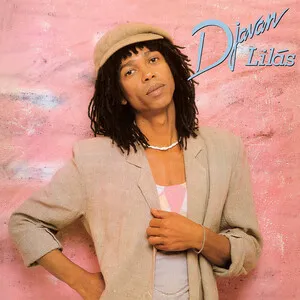
1984
Lilás
Djavan
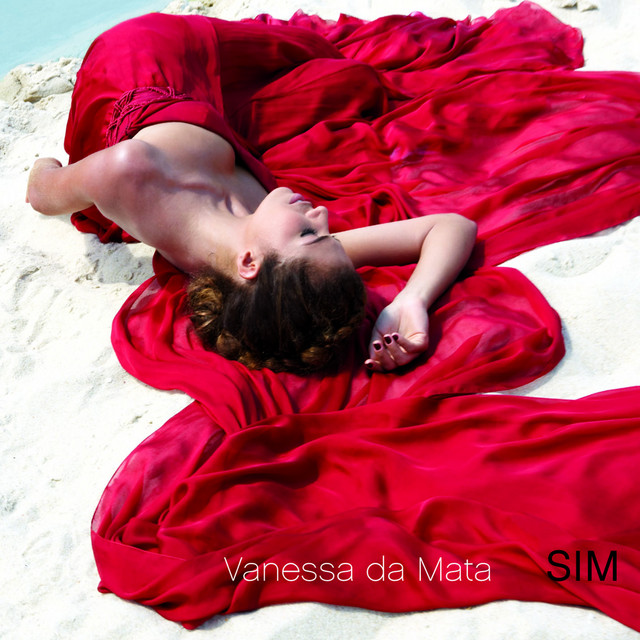
2008
Sim
Vanessa Da Mata
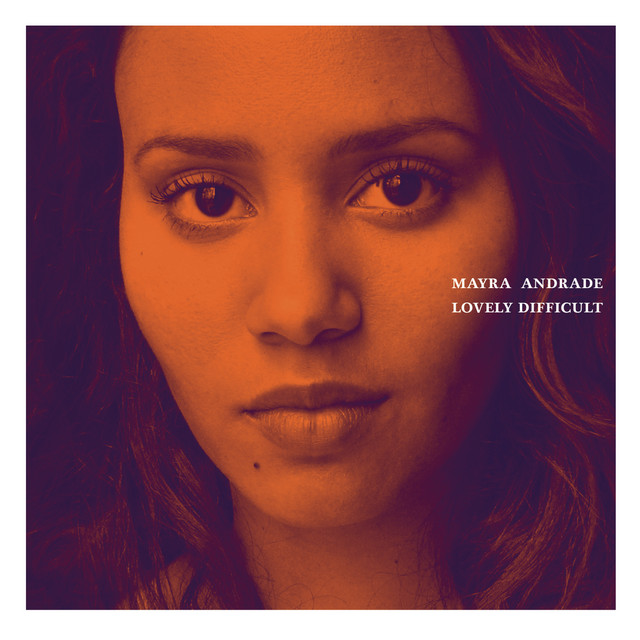
2013
Lovely Difficult
Mayra Andrade
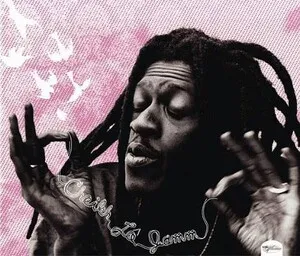
2010
Jamm
Cheikh Lô
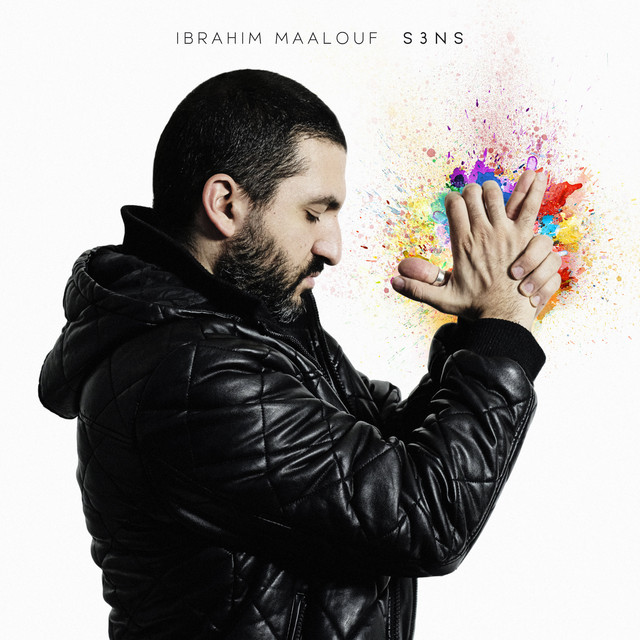
2019
S3NS
Ibrahim Maalouf
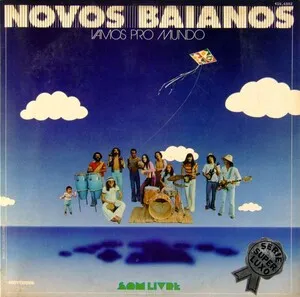
1974
Vamos pro mundo
Novos Baianos
1972
African Voodoo
Manu Dibango
Download our mobile app
Get the Melodigging app and start digging for new genres on the go
Download on the App Store
Get it on Google Play
© 2026 Melodigging
Give feedback
Legal
Melodding was created as a tribute to
Every Noise at Once
, which inspired us to help curious minds keep digging into music's ever-evolving genres.