Genres
Make Music
Artists
Albums
Challenges
Sign in
Sign in
Albums
By Elephant Gym
Albums
By Elephant Gym
Balance
2013
Listen
2
/5
Genres
Southeast Asian Post-Rock
Southeast Asian post-rock is a regional strain of instrumental, cinematic rock that blends the slow-burn dynamics and textural layering of post-rock with rhythmic cycles, timbres, and modal colors drawn from Southeast Asia. Bands typically build long-form crescendos with interlocking guitar ostinati, roomy drums, and expansive reverbs, while weaving in local instruments (e.g., gamelan metallophones, kulintang, angklung) or evoking them through prepared guitar techniques and bell-like delay lines. Field recordings (monsoon rain, street markets, temple ambience) and modal inflections from pelog/slendro, pentatonic, or folk scales give the music a sense of place without abandoning the idiom’s global vocabulary. The result is a spacious, emotionally resonant sound—at once familiar to fans of classic post-rock and distinctly Southeast Asian in groove, color, and atmosphere.
Discover
Listen
Post-Rock
Post-rock is a style that uses traditional rock instrumentation—guitars, bass, drums, and often piano or strings—to create expansive textures, evolving soundscapes, and dynamic arcs rather than conventional verse–chorus songs. It emphasizes timbre, atmosphere, and gradual development: clean or lightly overdriven guitars drenched in delay and reverb, cyclical ostinatos, layered crescendos, and pronounced quiet–loud dynamics. Vocals, if present, are often sparse, wordless, or treated as another textural layer. The genre draws heavily from ambient, minimalism, krautrock, progressive and space rock, shoegaze, noise rock, and experimental practices, yielding music that can feel cinematic, contemplative, and emotionally cathartic.
Discover
Listen
Math Rock
Math rock is a subgenre of indie and experimental rock defined by complex, irregular rhythms, sudden dynamic shifts, and angular, interlocking guitar lines. It frequently employs odd and mixed meters (such as 5/4, 7/8, 11/8), polyrhythms, start–stop figures, and intricate syncopation. Guitars often favor clean or lightly overdriven tones, tapping, and harmonically adventurous voicings over traditional power-chord riffing. Vocals, if present, are usually sparse, textural, or rhythmically coordinated with the ensemble rather than the primary focal point. Aesthetically, math rock draws from the precision and structural ambition of progressive rock, the urgency of post-hardcore, and the textural curiosity of indie and noise rock, resulting in music that feels both cerebral and visceral.
Discover
Listen
Rock
Rock is a broad family of popular music centered on amplified instruments, a strong backbeat, and song forms that foreground riffs, choruses, and anthemic hooks. Emerging from mid‑20th‑century American styles like rhythm & blues, country, and gospel-inflected rock and roll, rock quickly expanded in scope—absorbing folk, blues, and psychedelic ideas—while shaping global youth culture. Core sonic markers include electric guitar (often overdriven), electric bass, drum kit emphasizing beats 2 and 4, and emotive lead vocals. Rock songs commonly use verse–chorus structures, blues-derived harmony, and memorable melodic motifs, ranging from intimate ballads to high‑energy, stadium‑sized performances.
Discover
Listen
Similar albums
2022
Dreams
Elephant Gym
2018
Underwater
Elephant Gym
2022
夢境 Dreams
Elephant Gym
1999
American Football
American Football
2005
the book about my idle plot on a vague anxiety
toe
2015
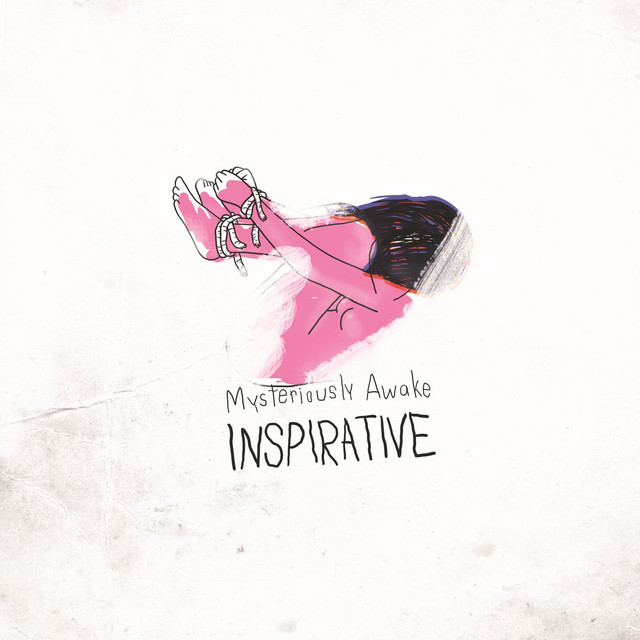
Mysteriously Awake
Inspirative
1999
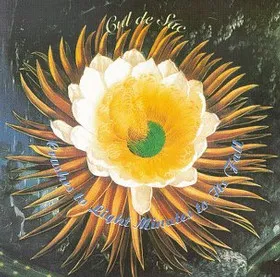
Crashes to Light, Minutes to Its Fall
Cul de Sac
1991
Spiderland
Slint
1999
Anahata
June of 44
2009
For Long Tomorrow
toe
Download our mobile app
Get the Melodigging app and start digging for new genres on the go
Download on the App Store
Get it on Google Play
© 2026 Melodigging
Give feedback
Legal
Melodding was created as a tribute to
Every Noise at Once
, which inspired us to help curious minds keep digging into music's ever-evolving genres.