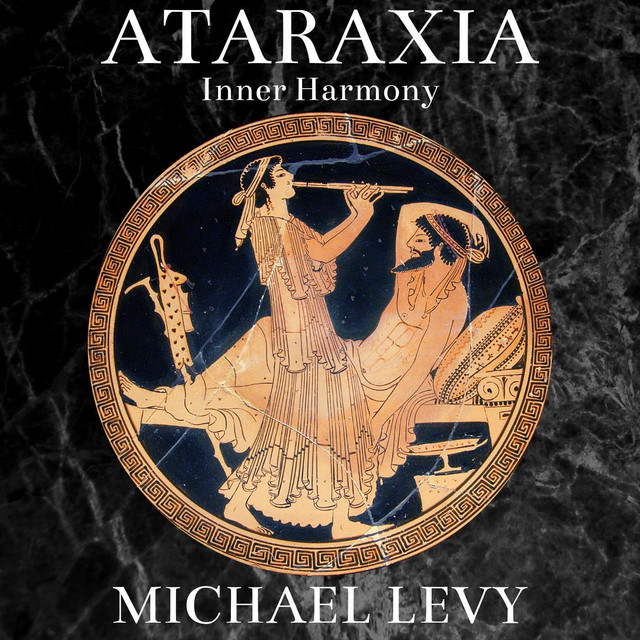
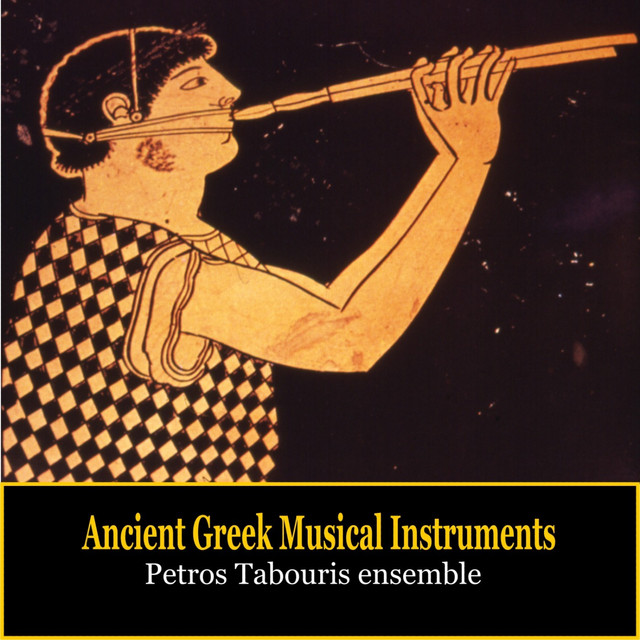
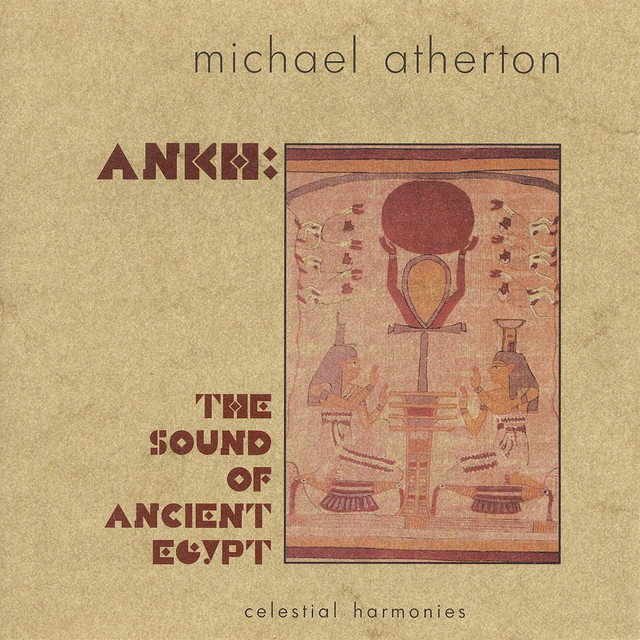
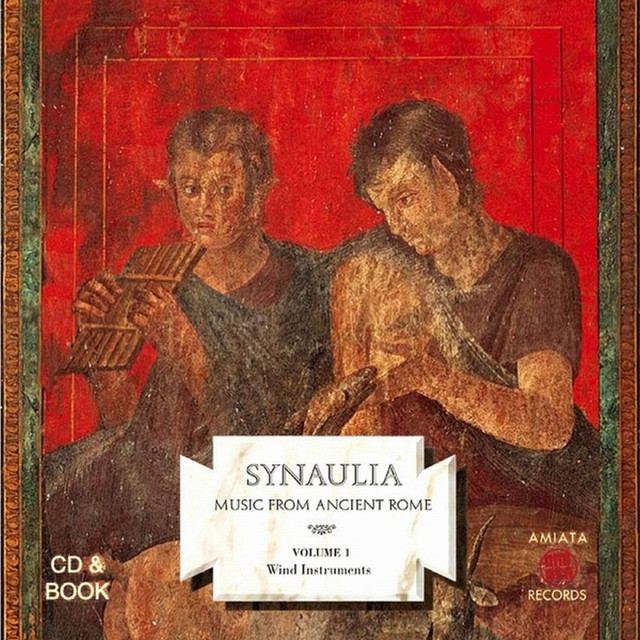
Ancient Mediterranean music refers to the vocal and instrumental practices of the civilisations that bordered the Mediterranean Sea in antiquity, chiefly Egypt, the Levant, the Greek world, and Rome. Because no continuous performance tradition survives, today’s practice is a historically informed reconstruction based on archaeology, iconography, ancient treatises, surviving musical notations, and re‑built instruments.
The sound world is primarily modal and largely monophonic, often enhanced by drones, heterophony, or rhythmic ostinati. Singing was central and frequently syllabic, but could include ornamentation and microtonal inflection. Instruments such as the aulos (double‑reed), lyre and kithara (plucked chordophones), panpipes (syrinx), harps and lutes, frame drums and tambourines, sistrum, salpinx (trumpet), and early organs (hydraulis) created timbres ranging from nasal and reedy to bright and metallic.
Music functioned in ritual, theatre, processions, banquets, athletic festivals, funerary rites, and domestic entertainment. Its aesthetics emphasised ethos—the moral and affective power of modes and rhythms—and closely intertwined poetry, dance, and music.