Genres
Make Music
Artists
Albums
Challenges
Sign in
Sign in
Albums
By Fantastic Negrito
Albums
By Fantastic Negrito
An Honest Man
August 26, 2015
Listen
3
/5
Genres
Modern Blues Rock
Modern blues rock is a contemporary continuation of blues rock that keeps the core blues vocabulary (pentatonic riffs, call-and-response phrasing, expressive bends and vibrato) while adopting modern rock production, tighter low-end, and often a more radio-ready song structure. Compared to classic blues rock, it typically features bigger guitar tones (high-headroom amps or saturated gain stages), more consistent backbeat-driven grooves, and polished studio techniques such as layered guitars, controlled compression, and present vocals. The style ranges from rootsy, groove-based tracks with vintage influences to heavier, arena-sized songs that blend blues phrasing with modern hard-rock energy.
Discover
Listen
Gothic Country
Gothic country (often called country noir or gothic Americana) blends traditional country and folk instrumentation with the brooding atmospheres, moral ambiguity, and literary imagery of Southern Gothic. It favors minor keys, slow to mid-tempos, and vivid storytelling about sin, redemption, murder, faith, and decay. Sonically, it sets banjo, fiddle, acoustic and tremolo-laden electric guitar, upright bass, pump organ/harmonium, and sparse percussion against dusky reverbs and droning pedals. Vocals tend to be intimate or preacherly, carrying ballad traditions into darker, hymn-like territories. The result is an eerie, pastoral sound that feels simultaneously old and haunted, rustic and cinematic.
Discover
Listen
Modern Blues
Modern blues is a contemporary evolution of traditional and electric blues that embraces current songwriting, studio techniques, and cross-genre collaboration. It preserves the core blues vocabulary—blue notes, call-and-response phrasing, and 12‑bar and minor‑blues forms—while integrating elements of rock, soul, funk, and even pop and hip hop production. Sonically, modern blues favors saturated but articulate electric guitar tones, prominent backbeat drums, thick bass, and tasteful keys or organ. Lyrically it updates classic themes of struggle, love, resilience, and place with present-day imagery and personal storytelling. The result is a style that feels rooted and authentic yet radio- and festival-ready.
Discover
Listen
Roots Rock
Roots rock is a back-to-basics strain of rock music that reconnects the electric band format with its foundational American roots in blues, country, folk, rhythm & blues, and early rock and roll. It favors sturdy songcraft, earthy timbres, and groove over studio gloss—think twangy or gritty guitars, Hammond organ or piano, a steady backbeat, and plainspoken, story-driven lyrics. The style often carries a "live-in-the-room" feel, medium tempos, and blues-based progressions, evoking bar bands, roadhouses, and rural imagery. Rather than chasing cutting-edge production or virtuosic excess, roots rock emphasizes feel, narrative, and tradition—bridging the immediacy of rock with the storytelling of folk and country and the emotional bite of the blues.
Discover
Listen
Blues Rock
Blues rock is a guitar-driven style that fuses the raw feeling and 12‑bar structures of the blues with the power, volume, and rhythmic punch of rock. It emphasizes riff-based songs, pentatonic and blues-scale soloing, call‑and‑response between voice and guitar, and an expressive, often gritty vocal delivery. Typical ensembles are power trios (guitar, bass, drums) or quartet formats adding second guitar, keyboards, or harmonica, and performances commonly feature extended improvisation. Sonically, it favors overdriven tube-amp tones, sustained bends, vibrato, and dynamic contrasts, moving from shuffles and boogies to straight‑eighth rock grooves.
Discover
Listen
Blues
Blues is an African American musical tradition defined by expressive "blue notes," call-and-response phrasing, and a characteristic use of dominant-seventh harmony in cyclical song forms (most famously the 12‑bar blues). It is as much a feeling as a form, conveying sorrow, resilience, humor, and hard-won joy. Musically, blues commonly employs the I–IV–V progression, swung or shuffled rhythms, and the AAB lyric stanza. Melodies lean on the minor/major third ambiguity and the flattened fifth and seventh degrees. Core instruments include voice, guitar (acoustic or electric), harmonica, piano, bass, and drums, with slide guitar, bends, and vocal melismas as signature techniques. Over time the blues has diversified into regional and stylistic currents—Delta and Piedmont country blues, urban Chicago and Texas blues, West Coast jump and boogie-woogie—while profoundly shaping jazz, rhythm & blues, rock and roll, soul, funk, and much of modern popular music.
Discover
Listen
Similar albums
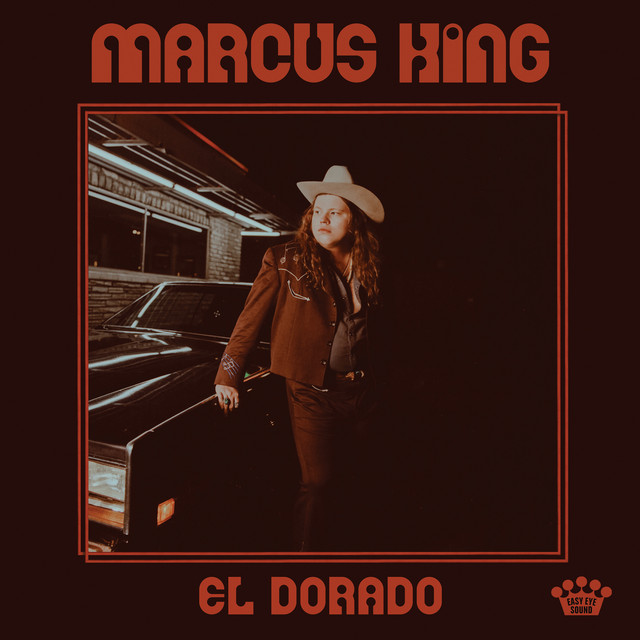
2020
El Dorado
Marcus King
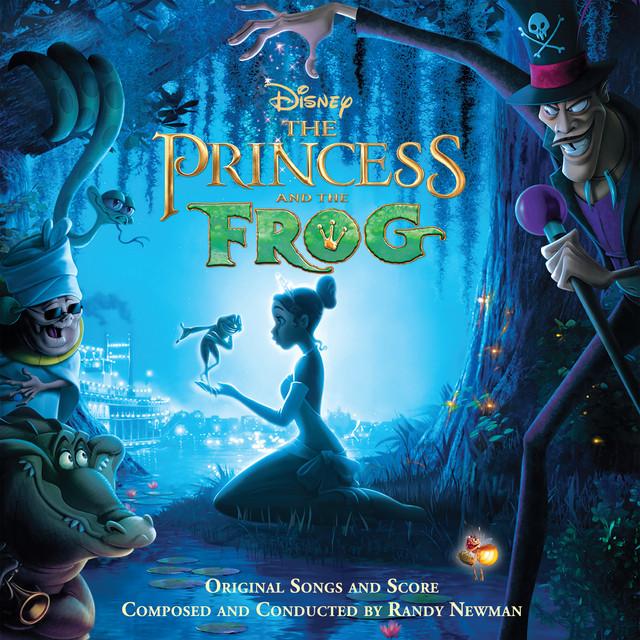
2009
The Princess and the Frog (Original Motion Picture Soundtrack)
Dr. John
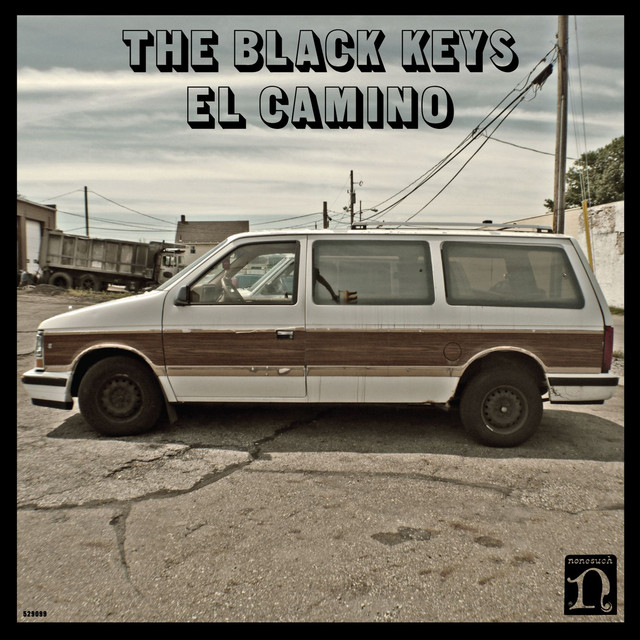
2011
El Camino
The Black Keys
2012
Brothers (Deluxe Remastered Anniversary Edition)
The Black Keys
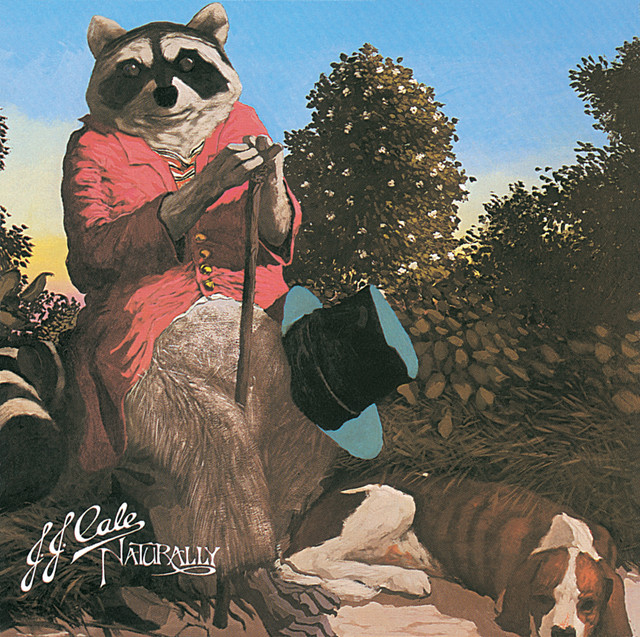
1972
Naturally
J.J. Cale
2014
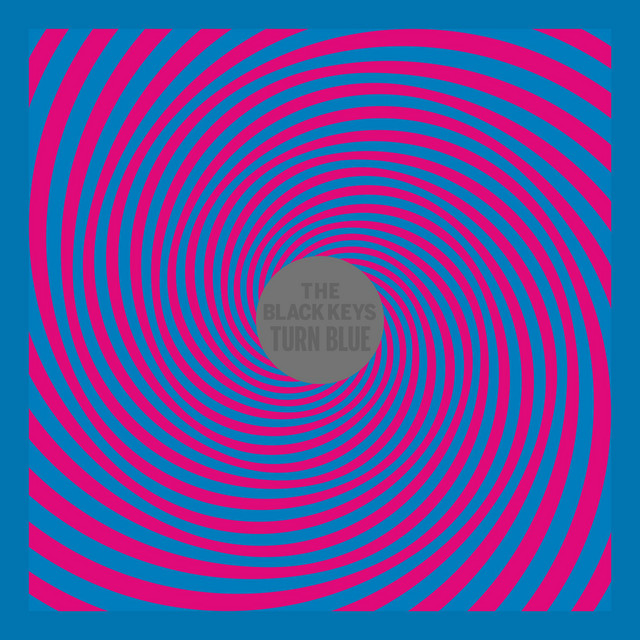
Turn Blue
The Black Keys
2018
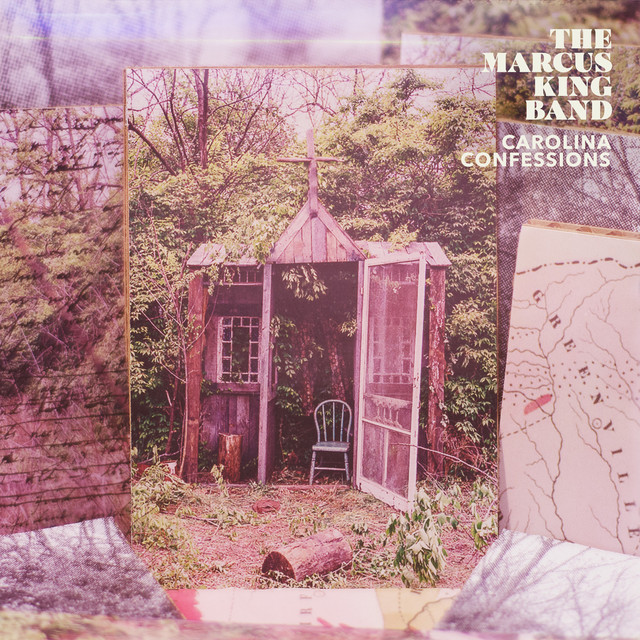
Carolina Confessions
The Marcus King Band
2019
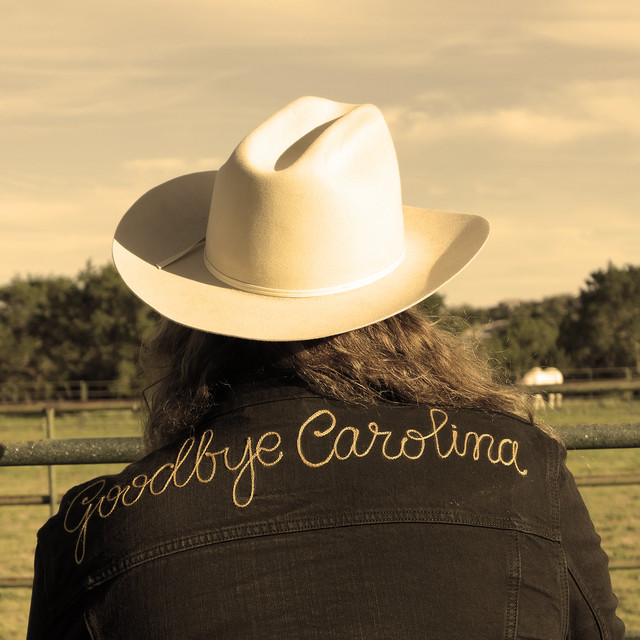
Goodbye Carolina
The Marcus King Band
2025
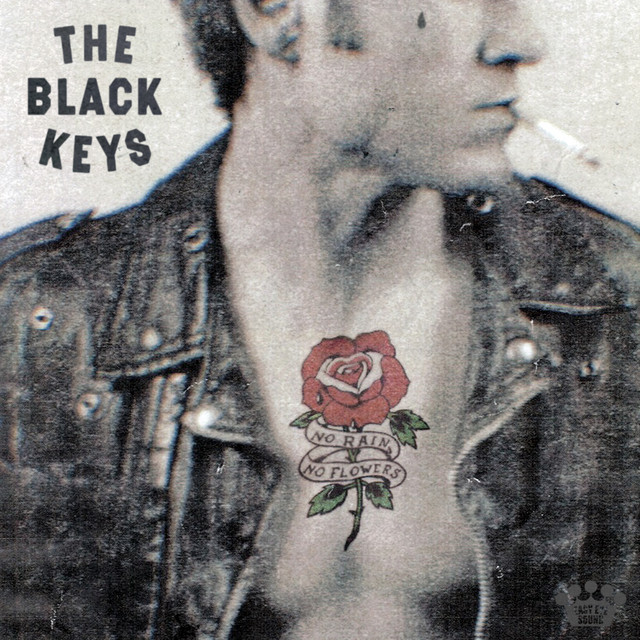
No Rain, No Flowers
The Black Keys
1969
Blind Faith
Blind Faith
Download our mobile app
Get the Melodigging app and start digging for new genres on the go
Download on the App Store
Get it on Google Play
© 2026 Melodigging
Give feedback
Legal
Melodding was created as a tribute to
Every Noise at Once
, which inspired us to help curious minds keep digging into music's ever-evolving genres.