Genres
Make Music
Artists
Albums
Challenges
Sign in
Sign in
Albums
By Zeca Pagodinho
Albums
By Zeca Pagodinho
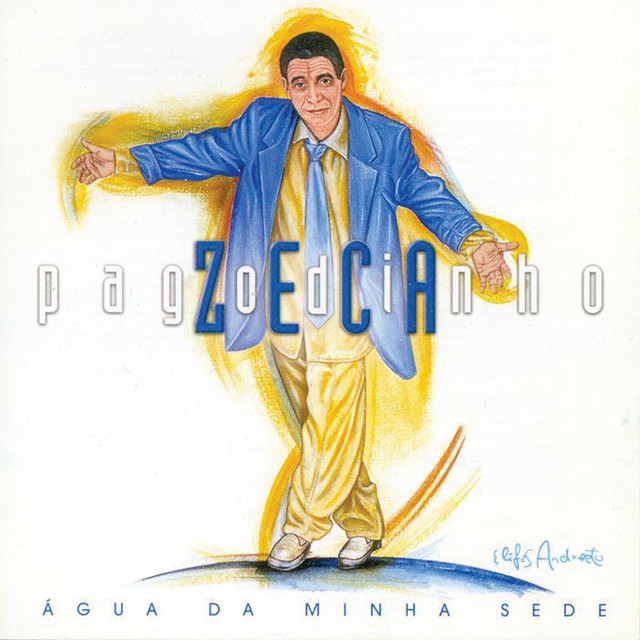
Água da minha sede
January 1, 2000
Listen
3
/5
Genres
Pagode
Pagode is a substyle of Brazilian samba that crystallized in Rio de Janeiro in the late 1970s and became a national phenomenon in the 1980s. The word "pagode" originally meant a backyard party, and the genre reflects that intimate, convivial setting: acoustic instruments clustered around a table, communal singing, call-and-response hooks, and lyrics about love, friendship, bohemian life, and everyday humor. Musically, pagode emphasizes a warm, mid-tempo samba groove driven by hand percussion (pandeiro, repique de mão, tantã) and the bright strum of cavaquinho or banjo-cavaquinho. It favors catchy choruses, tight vocal harmonies (coro de apoio), and short, memorable melodies over virtuosic display. In the 1990s, a smoother, pop-leaning branch—often called pagode romântico—added keyboards, fuller vocal arrangements, and lush production, taking the style to mainstream radio while preserving its samba pulse.
Discover
Listen
Partido Alto
Partido alto is a subgenre of samba from Rio de Janeiro marked by a distinct percussion pattern, a medium-to-fast 2/4 groove, and a performance practice that foregrounds call-and-response and improvisation. Within a roda de samba, partido alto often signals the moment for "disputas" (friendly verse duels) in which a soloist (partideiro/partideira) improvises quatrains over a fixed refrain that the chorus answers. The style encourages audience participation and singalong, creating a communal, festive atmosphere. Rhythmically it features a characteristic pandeiro approach with alternating open tones, slaps, and heel–toe strokes that "break" the groove (often described as "partir o couro"), supported by surdo, tantã or hand percussion, tamborim, reco-reco, and agogô. Harmony is typically rooted in samba’s tonal language (I–IV–V with colorful secondary dominants and chromatic passing chords), played by cavaquinho and 6- or 7‑string guitar.
Discover
Listen
Samba De Roda
Samba de roda is a traditional Afro‑Brazilian music-and-dance form from the Recôncavo region of Bahia, Brazil. It is performed in a circle (roda) with call-and-response singing, handclaps, and a small ensemble of percussion and plucked string instruments. Musically it typically uses a lilting 2/4 samba groove with strong syncopation, a lead singer (cantador/a) who improvises verses, and a chorus that responds in refrain. Two core song-dance modalities are common: the slower, more declamatory chula (often opening the gathering) and the faster, more animated samba corrido (when dancers enter the circle). The dance highlights the umbigada—an inviting belly-bump gesture—along with playful steps and spins. It is socially rooted in Afro‑Bahian festivities, religious gatherings (including candomblé contexts), and community celebrations, and it played a pivotal role in shaping urban samba across Brazil.
Discover
Listen
Similar albums
1998
Zeca Pagodinho
Zeca Pagodinho
1997
Hoje é Dia de Festa
Zeca Pagodinho
1986
Zeca Pagodinho
Zeca Pagodinho
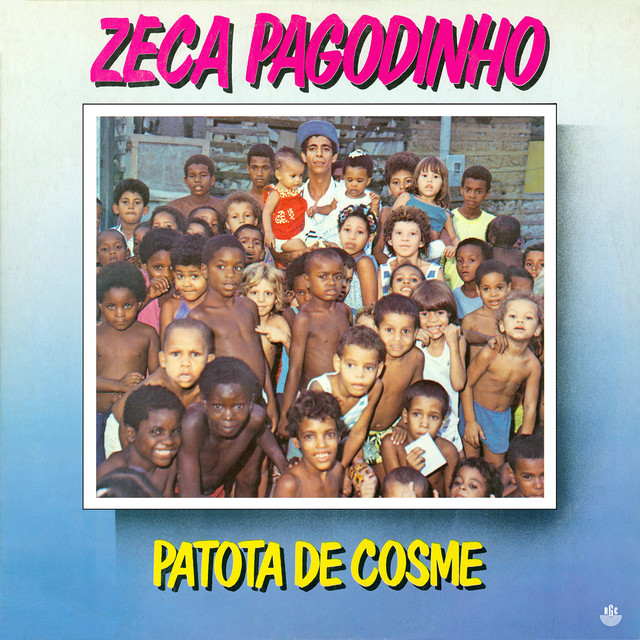
1987
Patota de Cosme
Zeca Pagodinho
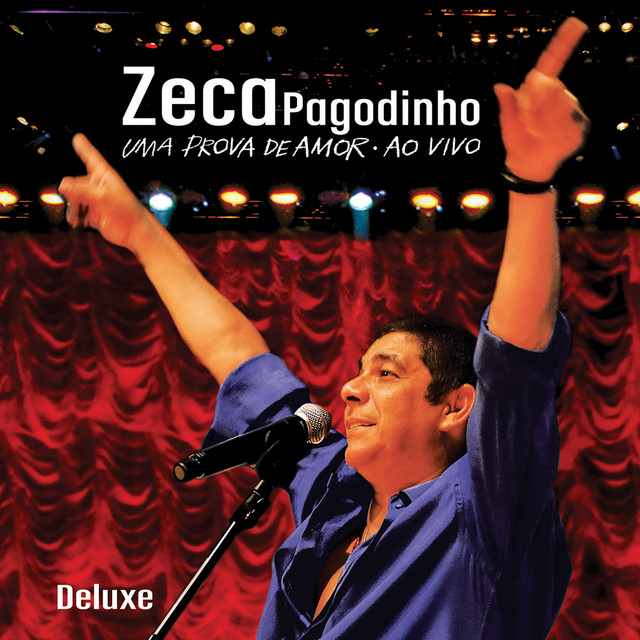
2009
Zeca Pagodinho - Uma Prova De Amor Ao Vivo (Deluxe)
Zeca Pagodinho
2012
Zeca Apresenta: O Quintal Do Pagodinho
Trio Calafrio
2002
Deixa A Vida Me Levar
Zeca Pagodinho
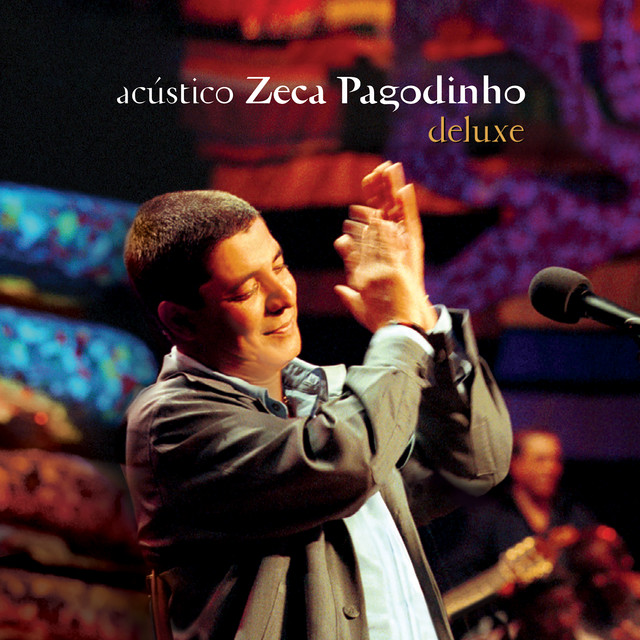
2003
Acústico - Zeca Pagodinho (Deluxe / Ao Vivo)
Zeca Pagodinho
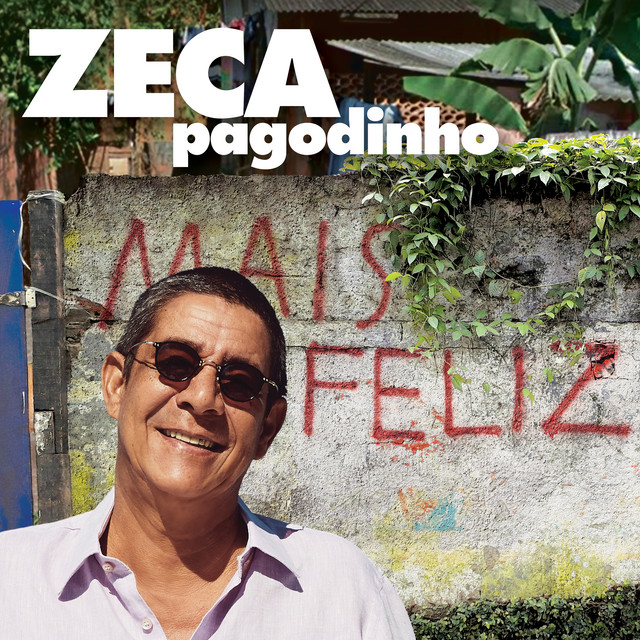
2019
Mais Feliz
Zeca Pagodinho
1996
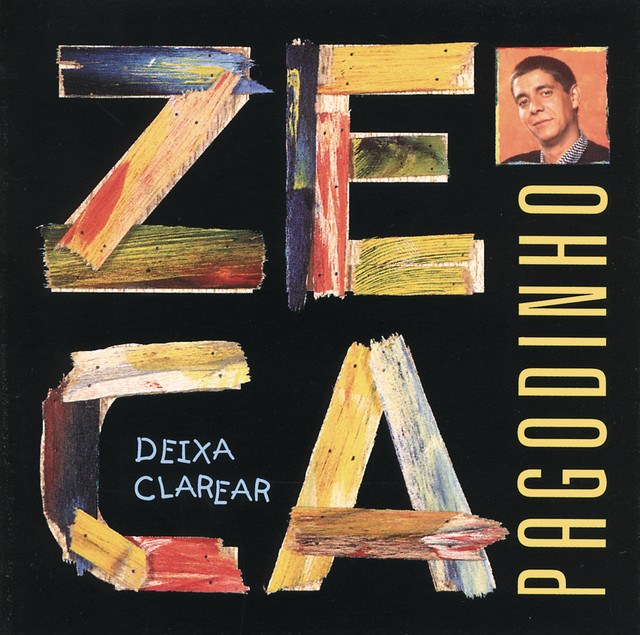
Deixa Clarear
Zeca Pagodinho
Download our mobile app
Get the Melodigging app and start digging for new genres on the go
Download on the App Store
Get it on Google Play
© 2026 Melodigging
Give feedback
Legal
Melodding was created as a tribute to
Every Noise at Once
, which inspired us to help curious minds keep digging into music's ever-evolving genres.