Genres
Make Music
Artists
Albums
Challenges
Sign in
Sign in
Albums
By Chico Science
Albums
By Chico Science
Afrociberdelia
May 15, 1996
Listen
3
/5
Genres
Mangue Beat
Mangue beat (also written manguebit or manguebeat) is a Brazilian cultural and musical movement that emerged in Recife, Pernambuco, in the early 1990s. Its core idea was to "stick an antenna in the mud"—connecting the rich, swampy Afro-Indigenous rhythms of the mangroves (maracatu, coco, ciranda, frevo) to global pop culture, rock, hip hop, dub, and electronic music. Musically, mangue beat is driven by heavy, syncopated percussion inspired by maracatu (notably the alfaia drum), layered with electric bass and guitar, samples, turntables, and occasional synths. The sound is simultaneously earthy and futuristic: dense polyrhythms, raw riffs, groove-centric basslines, and streetwise MC-like vocal flows coexist with hooky choruses. Lyrically, the movement is socially conscious and often satirical, addressing environmental degradation of mangroves, inequality, urban life in Recife, and the contradictions of globalization. The result is danceable, percussive, and insurgent music that reframed Brazil’s regional traditions as a platform for innovation.
Discover
Listen
Rock
Rock is a broad family of popular music centered on amplified instruments, a strong backbeat, and song forms that foreground riffs, choruses, and anthemic hooks. Emerging from mid‑20th‑century American styles like rhythm & blues, country, and gospel-inflected rock and roll, rock quickly expanded in scope—absorbing folk, blues, and psychedelic ideas—while shaping global youth culture. Core sonic markers include electric guitar (often overdriven), electric bass, drum kit emphasizing beats 2 and 4, and emotive lead vocals. Rock songs commonly use verse–chorus structures, blues-derived harmony, and memorable melodic motifs, ranging from intimate ballads to high‑energy, stadium‑sized performances.
Discover
Listen
Northeastern Brazilian Music
Northeastern Brazilian music is an umbrella for the rich, dance‑driven and song‑centered traditions from Brazil’s Nordeste, spanning rural sertão sounds and vibrant coastal carnival repertoires. It gathers matrix styles such as forró (and its substyles baião, xote, xaxado), coco and embolada (repente), maracatu, frevo, ciranda, and more. Characterized by propulsive percussion (zabumba, alfaia, pandeiro), bright timbres (triangle, brass), and the signature diatonic accordion (sanfona), the region’s music balances joyous, communal dance grooves with lyrical narratives about sertão life, migration, love, drought, and resilience. Its rhythmic DNA mixes Portuguese dance forms with Afro‑Brazilian and Indigenous elements, producing syncopated two‑step feels and carnival‑ready cadences. From the early 20th century radio era to contemporary pop and hip‑hop fusions, Northeastern styles have continually refreshed Brazilian music at large, informing MPB, axé, and the Recife‑born mangue beat while sustaining strong local dance and festival circuits.
Discover
Listen
Blues
Blues is an African American musical tradition defined by expressive "blue notes," call-and-response phrasing, and a characteristic use of dominant-seventh harmony in cyclical song forms (most famously the 12‑bar blues). It is as much a feeling as a form, conveying sorrow, resilience, humor, and hard-won joy. Musically, blues commonly employs the I–IV–V progression, swung or shuffled rhythms, and the AAB lyric stanza. Melodies lean on the minor/major third ambiguity and the flattened fifth and seventh degrees. Core instruments include voice, guitar (acoustic or electric), harmonica, piano, bass, and drums, with slide guitar, bends, and vocal melismas as signature techniques. Over time the blues has diversified into regional and stylistic currents—Delta and Piedmont country blues, urban Chicago and Texas blues, West Coast jump and boogie-woogie—while profoundly shaping jazz, rhythm & blues, rock and roll, soul, funk, and much of modern popular music.
Discover
Listen
Electronic
Electronic is a broad umbrella genre defined by the primary use of electronically generated or electronically processed sound. It encompasses music made with synthesizers, drum machines, samplers, computers, and studio/tape techniques, as well as electroacoustic manipulation of recorded or synthetic sources. The genre ranges from academic and experimental traditions to popular and dance-oriented forms. While its sonic palette is rooted in electricity and circuitry, its aesthetics span minimal and textural explorations, structured song forms, and beat-driven club permutations. Electronic emphasizes sound design, timbre, and studio-as-instrument practices as much as melody and harmony.
Discover
Listen
Similar albums
2016
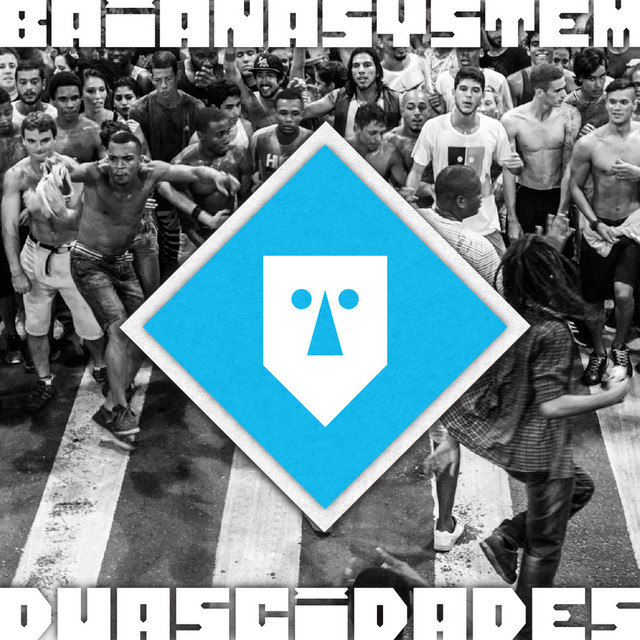
Duas cidades
BaianaSystem
2015
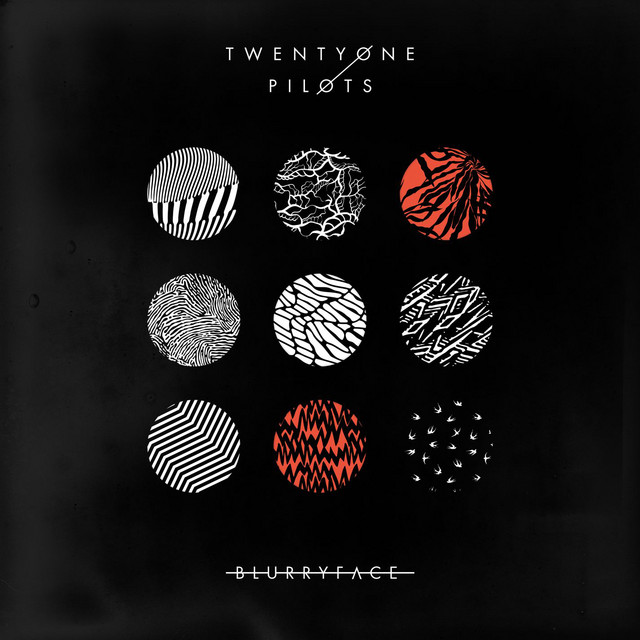
Blurryface
Twenty One Pilots
2013
I Love You.
The Neighbourhood
2025
Deadbeat
Tame Impala
2005
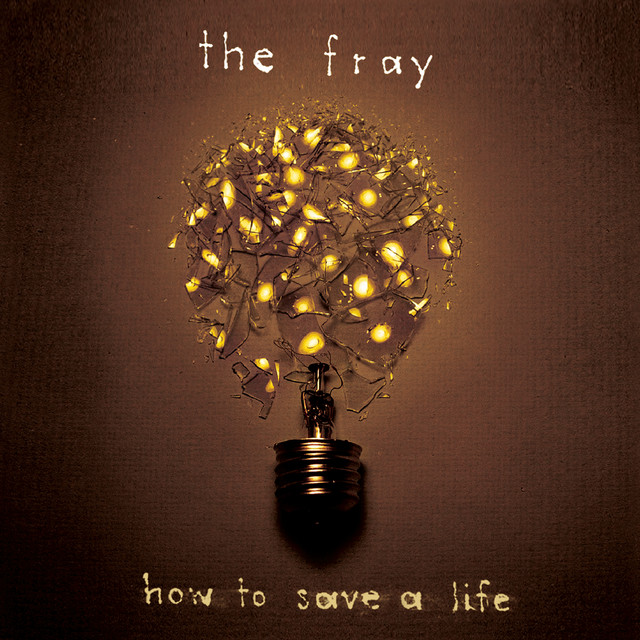
How To Save A Life
The Fray
2018
BALLADS 1
Joji
2018
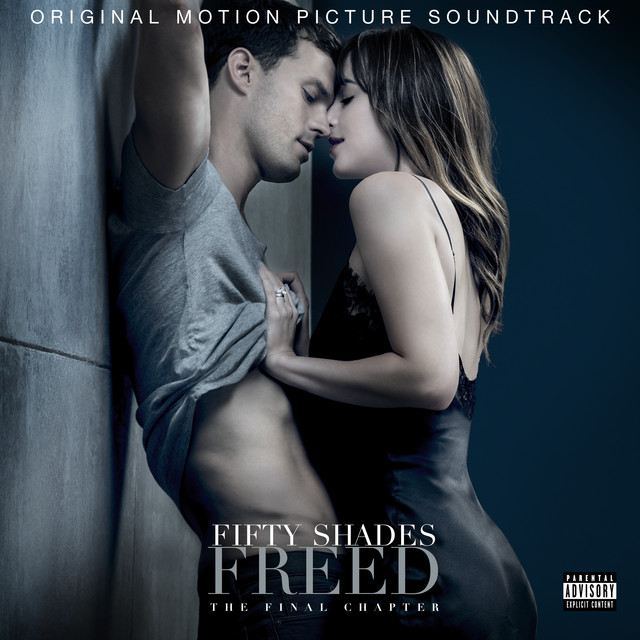
Fifty Shades Freed (Original Motion Picture Soundtrack)
Ellie Goulding
1996
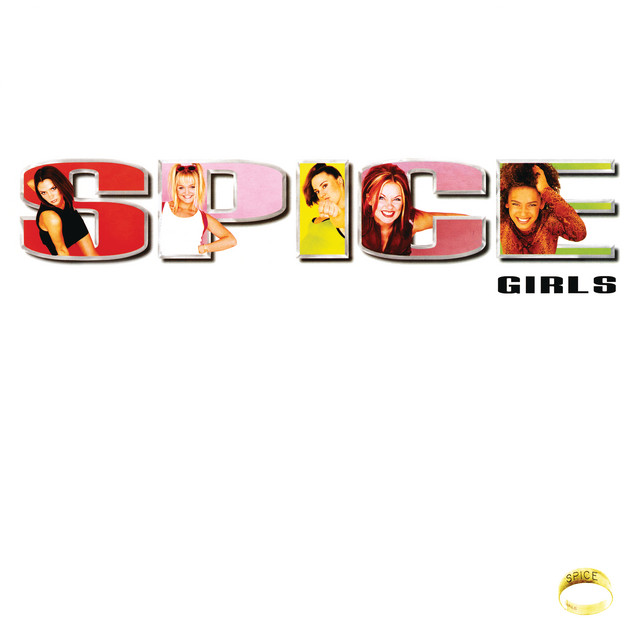
Spice
Spice Girls
2020
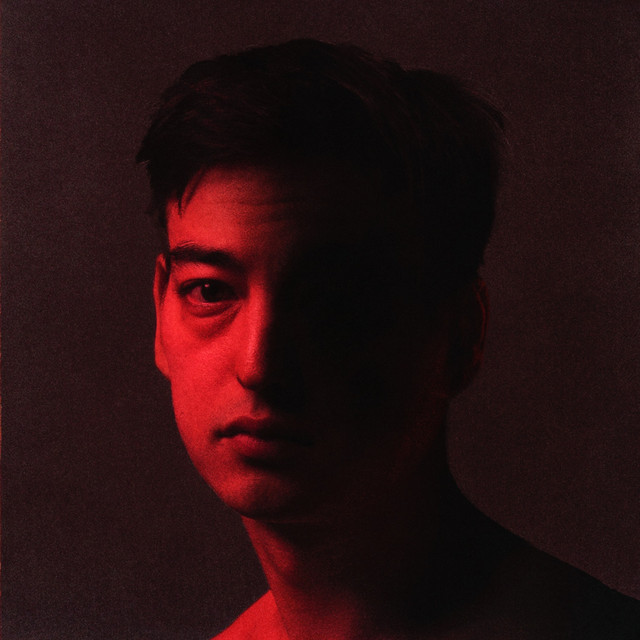
Nectar
Joji
2010
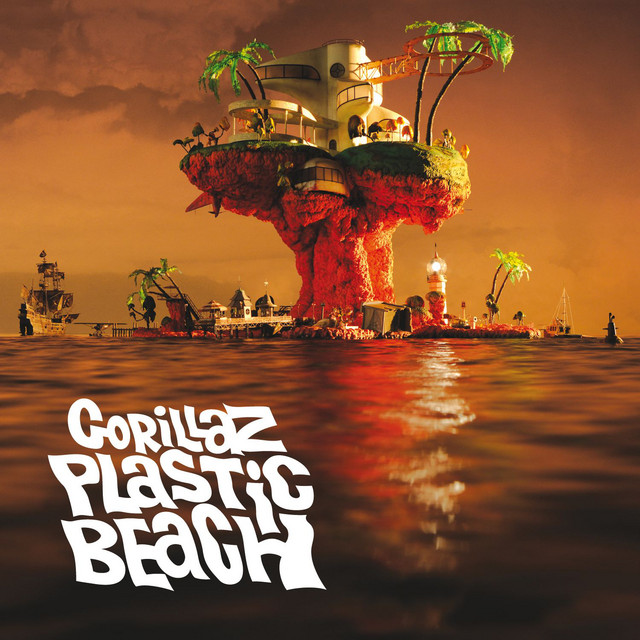
Plastic Beach
Gorillaz
Download our mobile app
Get the Melodigging app and start digging for new genres on the go
Download on the App Store
Get it on Google Play
© 2026 Melodigging
Give feedback
Legal
Melodding was created as a tribute to
Every Noise at Once
, which inspired us to help curious minds keep digging into music's ever-evolving genres.