Genres
Make Music
Artists
Albums
Challenges
Sign in
Sign in
Albums
By Huun-Huur-Tu
Albums
By Huun-Huur-Tu
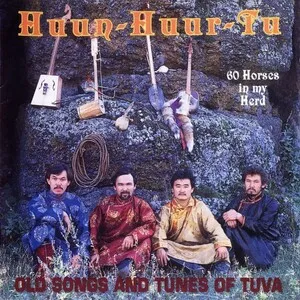
60 Horses in My Herd
June 20, 2005
Listen
1
/5
Genres
North Asian Music
North Asian music is an umbrella term for the traditional and contemporary musical practices of the peoples of Mongolia and Siberia (including Tuvan, Buryat, Sakha/Yakut, Altai, and other Turkic, Mongolic, and Tungusic groups). It is characterized by overtone-rich vocal techniques (such as khöömei/khöömii throat singing), expansive long-song styles, pentatonic and modal melodies, open-fifth drones, jaw harp timbres, and ritual drumming. Signature instruments include the morin khuur (horsehead fiddle), igil (two‑string spike fiddle), topshuur and doshpuluur (lutes), limbe (flute), and the khomus (jaw harp). Socially, the music spans epic recitation, shamanic-ritual sound, herding songs tied to pastoral lifeways, and modern stage ensembles that adapt these idioms for concert and global audiences.
Discover
Listen
Tuvan Throat Singing
Tuvan throat singing (khoomei) is a traditional vocal art from the Turkic-speaking people of Tuva in the Sayan–Altai region of southern Siberia. It is a biphonic technique in which a singer sustains a low drone (the fundamental) while shaping mouth, tongue, and throat to amplify specific overtones, producing the perception of multiple pitches at once. Distinct styles such as khoomei (soft, airy), sygyt (bright, whistling overtones), and kargyraa (deep, growling undertone) evoke the sounds of wind, rivers, and horse hooves and reflect a nomadic pastoral worldview. Performances often feature traditional instruments like the igil (two-string bowed fiddle), doshpuluur (lute), shoor (flute), and khomus (jaw harp), and can be either solo or ensemble-based.
Discover
Listen
Central Asian Throat Singing
Central Asian throat singing is a family of overtone-rich vocal techniques practiced across Mongolia, Tuva, and neighboring regions of Inner Asia. Singers shape the vocal tract to amplify specific harmonics above a low fundamental drone, producing the impression of two or more pitches at once. Traditionally performed by nomadic herders, these styles often imitate the sounds of wind, rivers, birds, and horses, and are closely tied to animist and steppe life-worlds. Substyles such as khöömii (overtone-focused), sygyt (whistling, high overtones), and kargyraa (very low, growling fundamentals) showcase distinctive timbral goals, breath control, and resonant vowel shaping. While deeply rooted in folk practice, throat singing has influenced contemporary ambient, drone, and experimental scenes, and it increasingly appears in cross-cultural collaborations and modern stage settings.
Discover
Listen
Turkic-Mongolic Music
Turkic-Mongolic music is a broad family of Inner Asian musical traditions shaped by nomadic lifeways across the steppe, taiga, and desert zones from Mongolia and Siberia to Xinjiang and Central Asia. It emphasizes timbre, overtone color, and modal melody over dense harmony, often centering a drone or open fifths with anhemitonic pentatonic contour. Characteristic practices include overtone (throat) singing, epic chant, long-song with free rhythm, and dance songs with “galloping” rhythms that mimic horse movement. Common instruments include horse-head fiddles (morin khuur), two-string lutes (igil, topshuur, dombra, komuz), frame and shaman drums, and jaw harps (khomus/temir komuz). Texts frequently recount genealogies, heroic epics, pastoral imagery, and spiritual cosmologies linked to Tengrism, Buddhism, and Islam. Across Turkic- and Mongolic-speaking communities, local styles vary—Uyghur muqam cycles are long-form modal suites, Kazakh and Kyrgyz traditions foreground plucked lutes and instrumental toqs/kyuis, and Tuvan and Mongolian repertoires foreground throat singing and long-song aesthetics—yet all share a preference for modal melody, flexible rhythm, and timbre-focused expression.
Discover
Listen
Central Asian Music
Central Asian music is a broad family of traditions shared across the Silk Road heartlands—today’s Uzbekistan, Tajikistan, Kazakhstan, Kyrgyzstan, and Turkmenistan, with strong ties to Uyghur, Pamiri, and other regional cultures. It blends Turkic nomadic song and epic recitation with Persianate courtly repertoire and Islamic modal theory, producing rich vocal melismas, intricate modal (maqom/maqam) systems, and cyclical rhythms (usul). Instrumentation centers on long‑necked lutes (dutar, tanbur, komuz, dombra), bowed fiddles (ghijak/kamancheh, qobyz), frame drums (doira/doyra), reed and woodwind instruments (surnay, nai), and zither or harp relatives (chang). Stylistically, it spans refined urban suites such as Shashmaqam to nomadic epic performance (akyn/jyrau/manaschi), wedding dance music driven by doira patterns, and intimate lyrical songs. Its timbral palette favors resonant plucked strings, bright double‑reed leads, and expressive, ornamented vocals.
Discover
Listen
Similar albums
1999
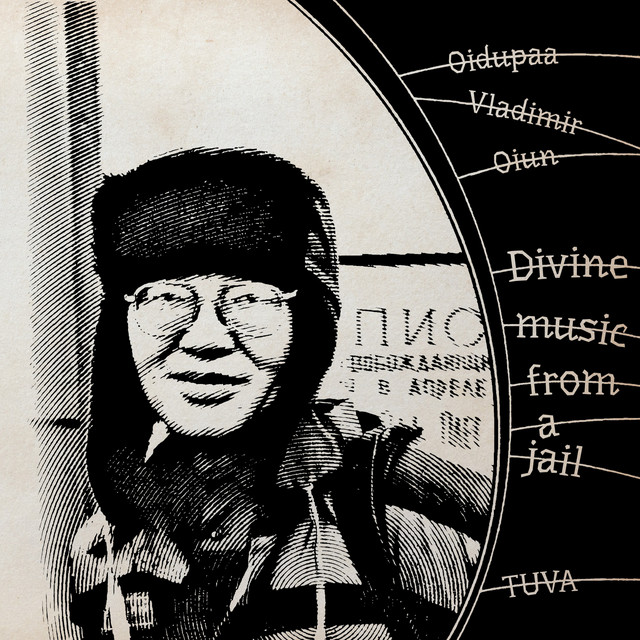
Divine Music From a Jail
Oidupaa Vladimir Oiun
2007
Alash
Alash
1995
Yenisei-Punk
Yat-Kha
2017
Achai
Alash
2000
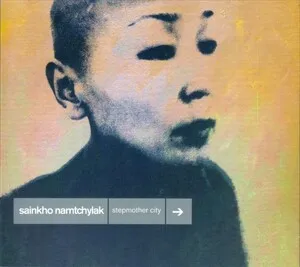
Stepmother City
Sainkho Namtchylak
1999
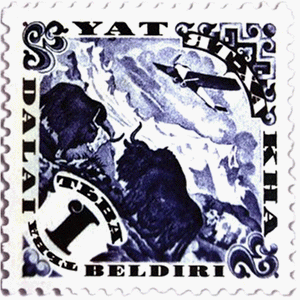
Dalai Beldiri
Yat-Kha
1994
Voices From the Distant Steppe
Shu-de
1998
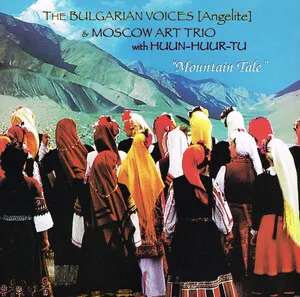
Mountain Tale
The Bulgarian Voices Angelite, Moscow Art Trio & Huun-Huur-Tu
1999
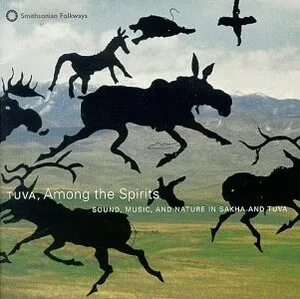
Tuva, Among the Spirits: Sound, Music and Nature in Sakha and Tuva
2010
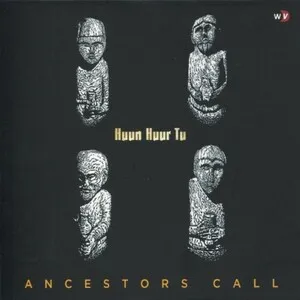
Ancestors Call
Huun-Huur-Tu
Download our mobile app
Get the Melodigging app and start digging for new genres on the go
Download on the App Store
Get it on Google Play
© 2026 Melodigging
Give feedback
Legal
Melodding was created as a tribute to
Every Noise at Once
, which inspired us to help curious minds keep digging into music's ever-evolving genres.