Genres
Artists
Albums
Make Music
Sign in
Sign in
Albums
By 江﨑文武
Albums
By 江﨑文武
5 Centimeters Per Second: Original Soundtrack
October 8, 2025
Listen
Genres
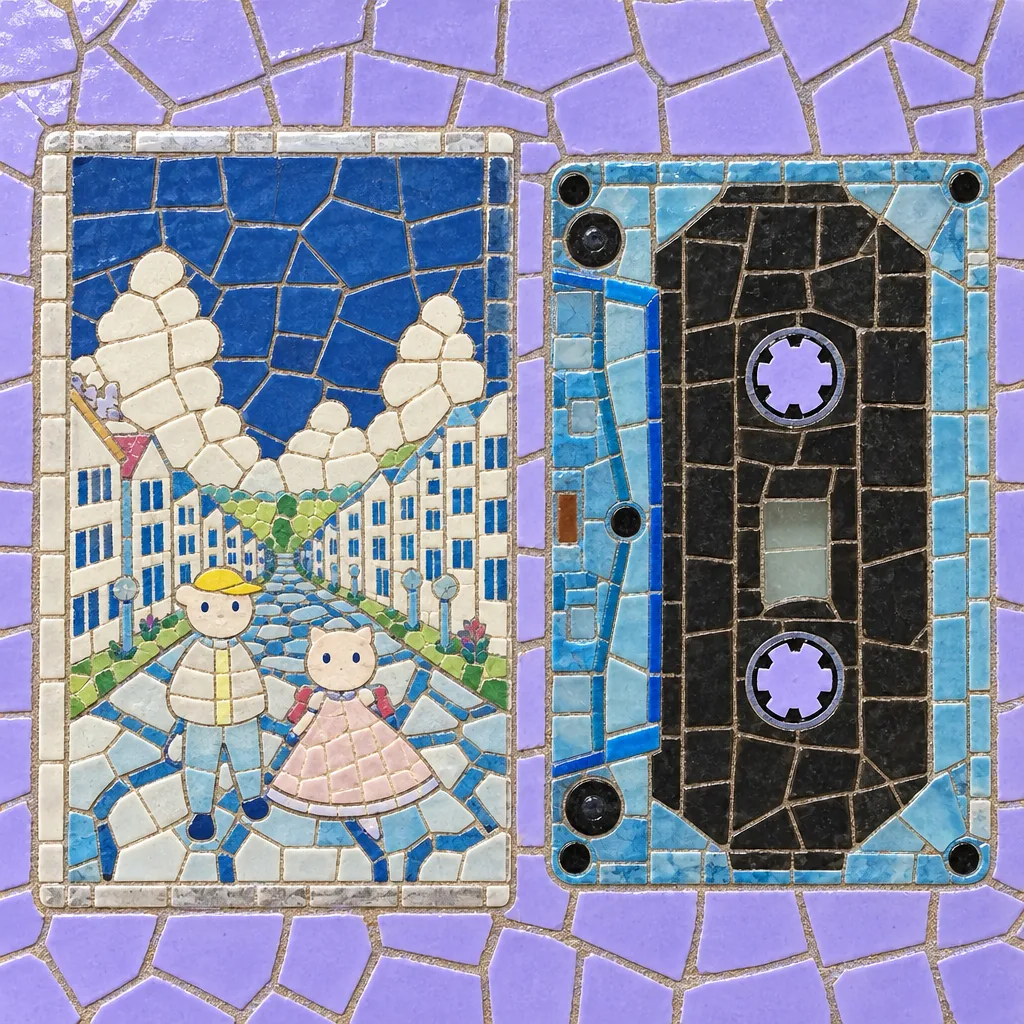
Tape Club
Tape club is a DIY-oriented micro-scene tied to the 2010s cassette revival, where bands and solo artists released jangly indie, garage, and lo‑fi pop on small runs of tapes through bedroom labels and mail‑order clubs. The sound favors budget-friendly recording methods (four-track cassette, Portastudio, or home DAWs bounced to tape) and embraces tape saturation, hiss, and a live-in-the-room feel. Musically it sits between indie pop, garage rock, surf inflections, and mellow bedroom pop, with short songs, hooky choruses, and nostalgic storytelling. Although "tape club" names a distribution culture as much as a style, it became recognizable by its warm, saturated sonics, handmade artwork (J-cards, risograph prints), and a community ethos that valued accessibility, zine-minded aesthetics, and informal touring networks.
Discover
Listen
Neoclassicism
Neoclassicism in music is a 20th‑century movement that revived forms, genres, and aesthetics from the Baroque and Classical eras, but reframed them with modern harmony, rhythm, and orchestration. It emphasizes clarity, balance, objectivity, and contrapuntal craft, often rejecting late‑Romantic excess while retaining a tonal or modal center enriched by dissonance, bitonality, and crisp rhythmic drive. Typical hallmarks include neobaroque dance suites, neoclassical sonatas and concerti, chamber‑oriented scoring, clean textures, and a dry, anti‑rhetorical performance style.
Discover
Listen
Japanese Classical
Japanese classical refers to the courtly, religious, theatrical, and chamber traditions that crystallized in Japan from the Nara and Heian periods onward. It encompasses Gagaku (imperial court music), Shinto ritual music (kagura), Buddhist chant (shōmyō), Noh and Kabuki repertories (e.g., nagauta, jōruri), and chamber music for koto, shamisen, and shakuhachi (sankyoku). The style emphasizes modal color (ryō and ritsu modes, along with later in/yo pentatonic variants), the dramatic architecture of jo–ha–kyū (slow introduction, development, swift conclusion), and the aesthetic of ma (meaningful silence/space). Textures are often heterophonic or layered, timbres are cultivated for breathy, reedy, and bell-like colors (e.g., shō, hichiriki, ryūteki), and rhythm can range from free-flowing chant to stately ceremonial cycles. The result is a contemplative yet ceremonially powerful sound world distinct from Western common-practice tonality.
Discover
Listen
Similar albums
2025
Music for Piano and Chamber Orchestra
Takahiro Kido & Yuki Murata
2004
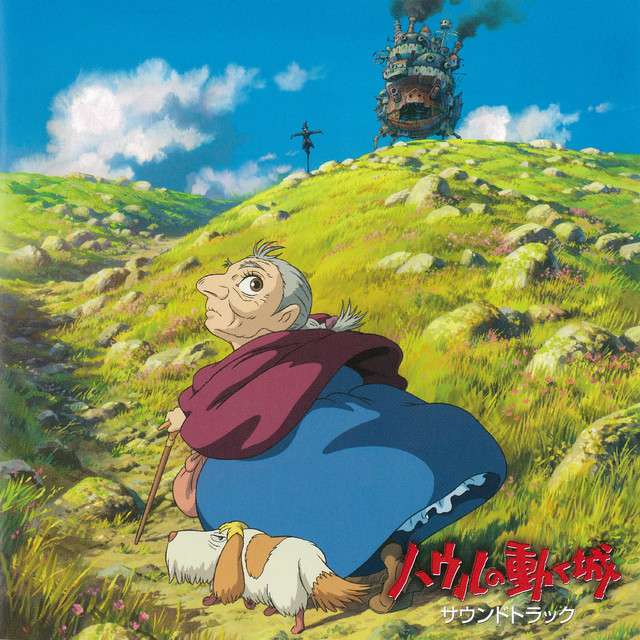
Howl's Moving Castle Soundtrack
Joe Hisaishi
2012
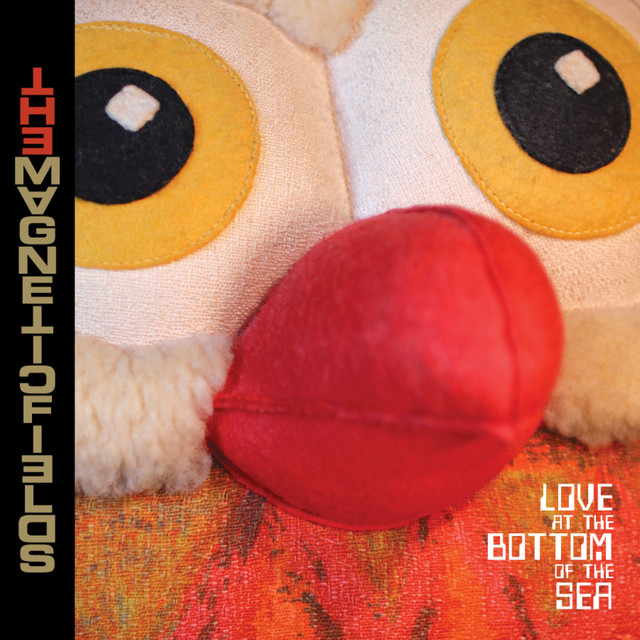
Love at the Bottom of the Sea
The Magnetic Fields
2001
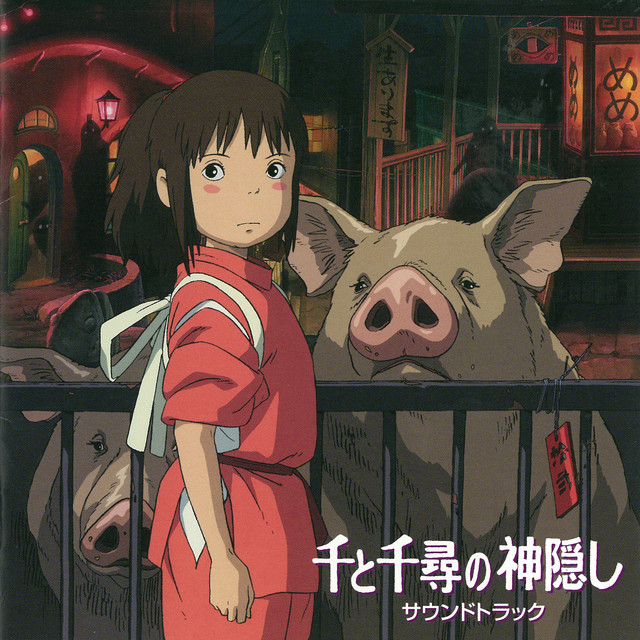
Spirited Away Soundtrack
Joe Hisaishi
2016
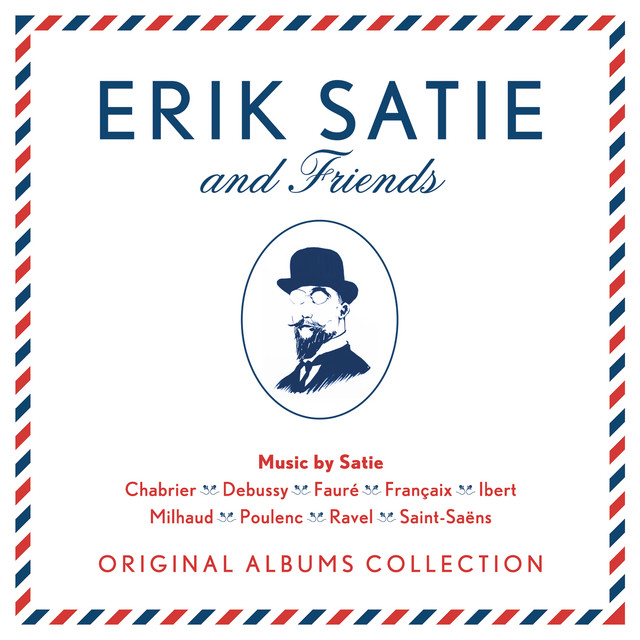
Erik Satie & Friends
Francis Poulenc
1989
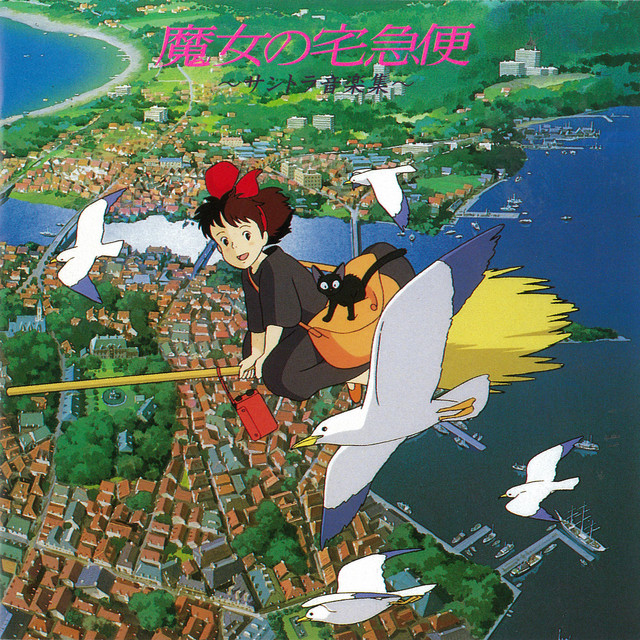
Kiki's Delivery Service Soundtrack Music Collection
Joe Hisaishi
1994
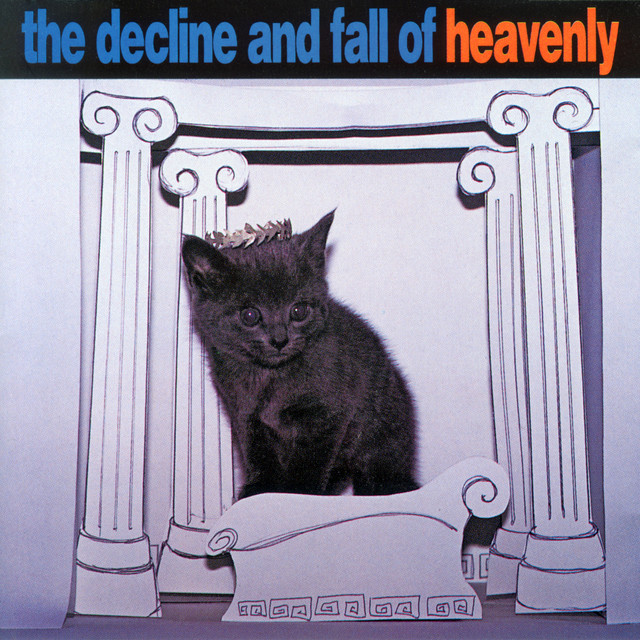
The Decline and Fall of Heavenly
Heavenly
1988
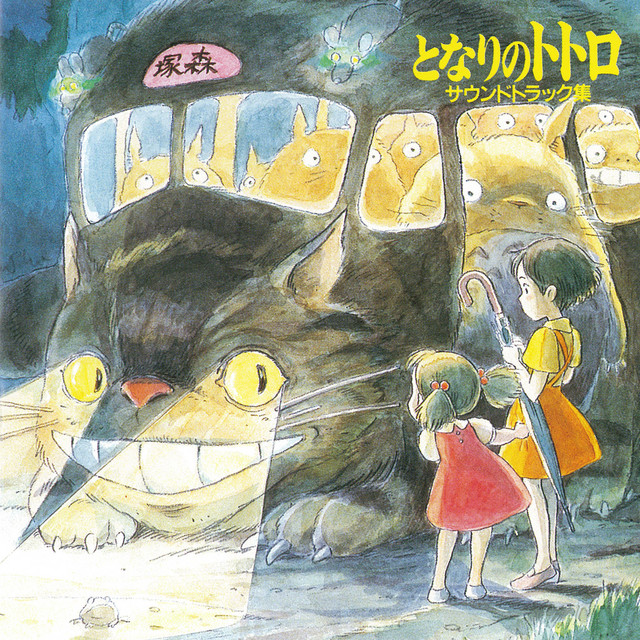
My Neighbor Totoro Soundtrack Collection
Joe Hisaishi
1997
Princess Mononoke Soundtrack
Joe Hisaishi
1999
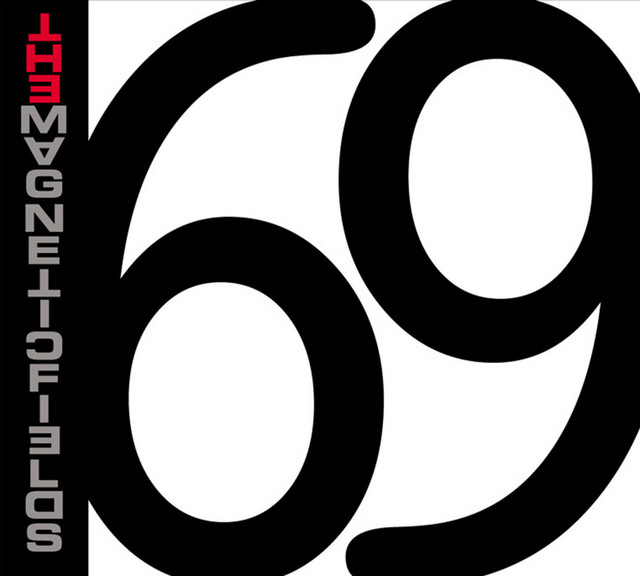
69 Love Songs
The Magnetic Fields
Download our mobile app
Get the Melodigging app and start digging for new genres on the go
Download on the App Store
Get it on Google Play
© 2026 Melodigging
Give feedback
Legal
Melodding was created as a tribute to
Every Noise at Once
, which inspired us to help curious minds keep digging into music's ever-evolving genres.