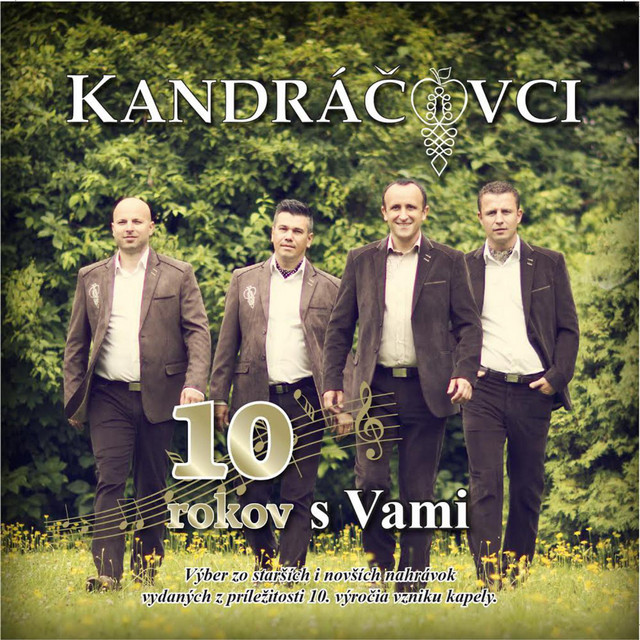
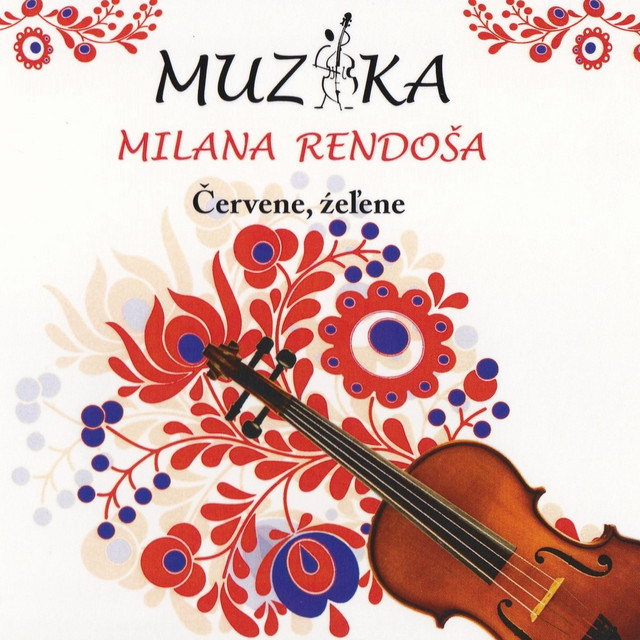
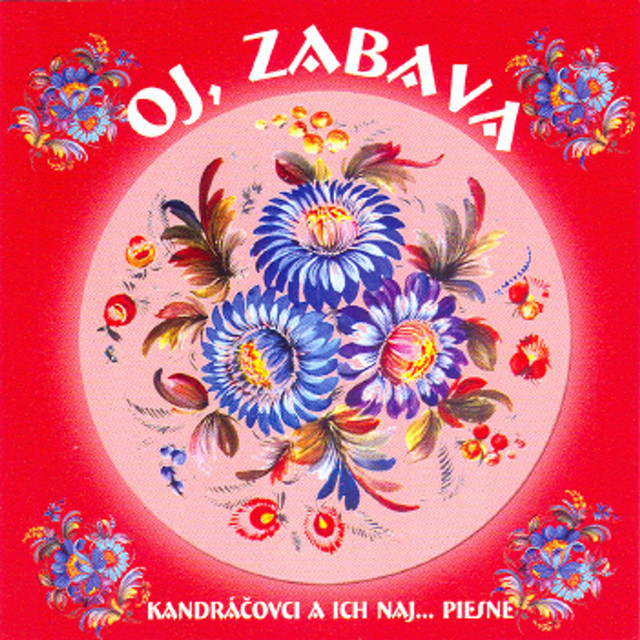
Rusyn folk music is the traditional music of the Rusyn (Ruthenian) people of the Carpathian region, stretching across today’s western Ukraine (Transcarpathia/Zakarpattia), eastern Slovakia, southeastern Poland (Lemko region), northeastern Hungary, northern Romania, and parts of Vojvodina (Serbia).
It is characterized by modal melodies (often Aeolian, Dorian, or Mixolydian), heterophonic village-choral textures, and flexible, speech-like phrasing in solo song. Typical instruments include fiddles (husle/skrypka), cimbalom (tsymbaly), clarinet, accordion, shepherd flutes (sopilka), Carpathian bagpipes (dudy), frame drum (bubon), and, in some mountain areas shared with Hutsul and Lemko traditions, the alpine horn (trembita). Dance rhythms draw on local polka and waltz meters as well as Hungarian-style czardas (slow–fast) and lively two-step tunes, while ritual genres (carols/kolyady, spring songs, wedding laments) feature responsorial singing and drone-like pedals.
Lyrically, songs favor pastoral life, courtship, bittersweet migration themes, seasonal ritual cycles, and communal identity, delivered in Rusyn and Lemko dialects with distinct local ornamentation and micro-regional variants.