Genres
Artists
Albums
Make Music
Sign in
Sign in
Record label
Supernatural Cat
Italy
Related genres
Doom Metal
Doom metal is a heavy metal subgenre defined by slow to mid-tempo grooves, down-tuned, highly distorted guitars, and an atmosphere of dread, melancholy, and weight. It emphasizes ominous, minor-key riffs and sustained tones over speed or virtuosity, creating a crushing sense of space and inevitability. Vocals range from plaintive and theatrical (epic/traditional doom) to anguished wails or harsh growls (death-doom), and lyrics often explore themes of suffering, mortality, the occult, apocalyptic visions, and existential despair. Song structures are typically riff-centric and long-form, with repetition and gradual dynamic shifts producing a hypnotic, ritualistic feel.
Discover
Listen
Drone
Drone is a minimalist music genre defined by sustained tones, long durations, and extremely gradual change. Harmony is often static or centered on a single fundamental with subtle overtone shifts, while rhythm tends toward stasis or very slow pulses. Sound sources range from acoustic instruments (e.g., strings, organ, bagpipes, shruti box, tambura) to electronics (sine waves, oscillators, feedback, tape loops, and later digital synthesis and processing). Many composers favor just intonation or other alternative tuning systems to emphasize beating patterns, psychoacoustic effects, and the internal life of sound. Although drone as a sonic principle is ancient and global, the modern experimental genre cohered in the 1960s through the New York minimalists and related avant‑garde circles, then spread into ambient, experimental, and heavy music scenes. The focus is less on melody and more on timbre, resonance, and the phenomenology of listening.
Discover
Listen
Experimental
Experimental music is an umbrella term for practices that prioritize exploration, process, and discovery over adherence to established genre norms. It embraces new sound sources, nonstandard tuning systems, indeterminacy and chance operations, graphic and open-form scores, extended techniques, and technology-led sound design (tape, electronics, computers, and live processing). Rather than a single style, it is a methodology and ethos: testing hypotheses about sound, structure, and performance, often blurring boundaries between composition, improvisation, sound art, and performance art. Listeners can expect unfamiliar timbres, unusual forms, and an emphasis on how music is made as much as the resulting sound.
Discover
Listen
Metal
Metal (often used to mean heavy metal in its broad, umbrella sense) is a loud, guitar-driven style of rock defined by high-gain distortion, emphatic and often martial rhythms, and a dense, powerful low end. It foregrounds riff-based songwriting, dramatic dynamics, virtuosic guitar solos, and commanding vocals that range from melodic wails to aggressive snarls and growls. Harmonically, metal favors minor modes, modal color (Aeolian, Phrygian), chromaticism, and tritone-inflected tension, while thematically it explores power, mythology, the occult, social critique, fantasy, and existential subjects. While adjacent to hard rock, metal typically pushes amplification, distortion, precision, and thematic intensity further, forming a foundation for many specialized subgenres.
Discover
Listen
Noise
Noise is an experimental music genre that uses non-traditional sound sources, distortion, feedback, and extreme dynamics as primary musical materials. Instead of emphasizing melody, harmony, or conventional rhythm, it focuses on texture, density, timbre, and the physical presence of sound. Practitioners sculpt saturated walls of sound, piercing feedback, metallic clatter, contact-mic scrapes, tape hiss, and electronic interference into works that can be confrontational or meditative. Performances often highlight process and immediacy—improvisation, body movement, and site-specific acoustics—while recordings can range from lo-fi cassette overload to meticulously layered studio constructions. Though rooted in early avant-garde ideas, the genre coalesced as a distinct practice in the late 1970s and 1980s, especially through Japan’s ‘Japanoise’ scene, and subsequently influenced numerous styles across industrial, punk-adjacent, and experimental electronic music.
Discover
Listen
Post-Metal
Post-metal is a heavy, atmospheric offshoot of metal that blends the weight and distortion of sludge and doom with the expansive dynamics and textural focus of post-rock. Instead of traditional verse–chorus structures, it emphasizes long-form development, layering, and crescendos, often moving from sparse, ambient passages to overwhelming climaxes. Vocals (if present) are used more as another texture—ranging from harsh screams to distant, chant-like cleans—while guitars prioritize drones, pedal tones, and richly effected timbres over conventional riffs. The result is music that feels cinematic and immersive: slow-to-mid tempos, tectonic low-end, and wide dynamic arcs that convey bleakness, catharsis, and grandeur in equal measure.
Discover
Listen
Power Metal
Power metal is a fast, melodic, and anthemic branch of heavy metal that emphasizes uplifting melodies, soaring clean vocals, triumphant choruses, and virtuosic guitar and keyboard leads. Its lyrical focus often centers on fantasy, mythology, historical epics, and heroic narratives, aiming for a cinematic sense of grandeur. The genre coalesced in the mid-1980s from the speed and melody of NWOBHM and speed metal, then split into two recognizable strains: the more aggressive, riff‑driven U.S. power metal and the highly melodic, keyboard‑rich European style. Hallmarks include double‑bass drumming, harmonized twin‑guitar lines, neoclassical flourishes, and rousing sing‑along refrains designed for large audiences.
Discover
Listen
Power Noise
Power noise, also known as rhythmic noise, is a club-oriented offshoot of industrial and noise that focuses on heavily distorted, beat-driven patterns. It emphasizes pounding kick drums, clipped and bit-crushed percussion, metallic samples, and relentless repetition over traditional melody or harmony. The tempo typically ranges from 120 to 160 BPM, with grooves that alternate between strict four-on-the-floor and jagged, syncopated sequences. Producers use waveshaping, hard clipping, resonant filtering, and dynamic abuse to turn drums and noise bursts into the main musical material, resulting in a stark, physical, and hypnotically mechanized sound. While rooted in the experimental ethos of noise, power noise is designed for the dancefloor, bridging abrasive timbres with propulsive, minimalist structures.
Discover
Listen
Psychedelic
Psychedelic is an umbrella term for music that seeks to evoke, emulate, or accompany altered states of consciousness through sound, arrangement, and studio technique. It emphasizes timbral color, drones, modal harmony, surreal or mystical lyrics, and immersive production, often using tape manipulation, extended effects, and non‑Western instruments (notably from Indian classical traditions). The result ranges from delicate, dreamlike textures to dense, kaleidoscopic soundscapes intended to expand perception and dissolve conventional song form.
Discover
Listen
Rock
Rock is a broad family of popular music centered on amplified instruments, a strong backbeat, and song forms that foreground riffs, choruses, and anthemic hooks. Emerging from mid‑20th‑century American styles like rhythm & blues, country, and gospel-inflected rock and roll, rock quickly expanded in scope—absorbing folk, blues, and psychedelic ideas—while shaping global youth culture. Core sonic markers include electric guitar (often overdriven), electric bass, drum kit emphasizing beats 2 and 4, and emotive lead vocals. Rock songs commonly use verse–chorus structures, blues-derived harmony, and memorable melodic motifs, ranging from intimate ballads to high‑energy, stadium‑sized performances.
Discover
Listen
Sludge Metal
Sludge metal is a hybrid of doom metal’s slow, downtuned weight and hardcore punk’s raw aggression. It emphasizes thick, overdriven guitar tones, throttling bass, and drums that lurch between trudging slow-motion grooves and ragged mid‑tempo blasts. Vocals are typically screamed, barked, or anguished, often buried slightly in the mix to feel abrasive and cathartic. The style took shape in the late 1980s United States—particularly the Pacific Northwest and the American South—where bands fused Sabbath‑like doom riffs with the DIY harshness of hardcore and the scabrous textures of noise rock. Lyrical themes commonly explore addiction, despair, social decay, and Southern Gothic imagery, delivered with an intentionally gritty, unvarnished production aesthetic.
Discover
Listen
Stoner Metal
Stoner metal is a heavy, riff-centered offshoot of doom metal that fuses the low-and-slow weight of early Sabbath with the hazy psychedelia and fuzz-drenched tones of 1970s hard rock. It emphasizes down-tuned guitars, thick midrange, and hypnotic, groove-forward drumming, often evoking a desert-heat mirage of sustained riffs and feedback. Compared to stoner rock, stoner metal leans darker and heavier, with a doomier pulse, longer song structures, and an almost trance-like fixation on repetition. Lyrics frequently explore cosmic wanderlust, occult imagery, apocalyptic visions, and cannabis counterculture, while production tends to favor warm, analog saturation and room-heavy drum sounds.
Discover
Listen
Alternative
Alternative is an umbrella term for non-mainstream popular music that grew out of independent and college-radio scenes. It emphasizes artistic autonomy, eclectic influences, and a willingness to subvert commercial formulas. Sonically, alternative often blends the raw immediacy of punk with the mood and texture of post-punk and new wave, adding elements from folk, noise, garage, and experimental rock. While guitars, bass, and drums are typical, production ranges from lo-fi to stadium-ready, and lyrics tend toward introspection, social critique, or surreal storytelling. Over time, “alternative” became both a cultural stance and a market category, spawning numerous substyles (alternative rock, alternative hip hop, alternative pop, etc.) and moving from underground circuits to mainstream prominence in the 1990s.
Discover
Listen
Albums
Lucifer Songs
Ufomammut
Supernaturals: Record One
Ufomammut-Lento
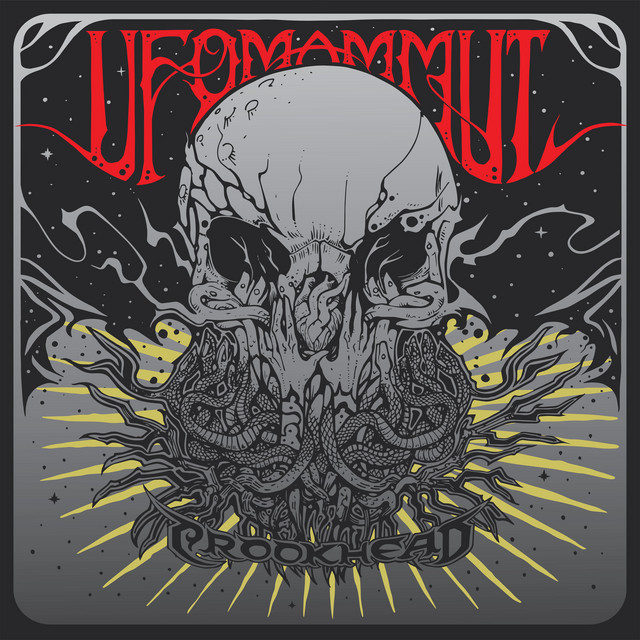
Crookhead
Ufomammut
Fenice
Ufomammut
GoRgO
MoRkObOt
Idolum
Ufomammut
Idolum
Ufomammut
Snailking
Ufomammut
Le Stelle: A Voyage Adrift
Incoming Cerebral Overdrive
Doppelleben
The Mon
Show more
Artists
Ufomammut
OvO
Lento
MoRkObOt
Incoming Cerebral Overdrive
The Mon
Skyjoggers
Gotho
Zolle
Download our mobile app
Get the Melodigging app and start digging for new genres on the go
Download on the App Store
Get it on Google Play
© 2026 Melodigging
Give feedback
Legal
Melodding was created as a tribute to
Every Noise at Once
, which inspired us to help curious minds keep digging into music's ever-evolving genres.