Genres
Artists
Albums
Make Music
Sign in
Sign in
Record label
Columbia Local
Related genres
Christmas Music
Christmas music is a body of sacred and secular repertoire associated with the celebration of Christmas and the winter season. It spans medieval carols, liturgical hymns, and oratorios through to 20th‑century Tin Pan Alley standards, crooner ballads, jazz‑swing arrangements, pop hits, gospel renditions, and contemporary acoustic or R&B interpretations. Stylistically it is diverse but often shares warm, nostalgic melodies, memorable choruses, and lyrics that reference the Nativity story, peace and goodwill, family gatherings, winter imagery, and figures like Santa Claus. Sleigh bells, choirs, strings, brass, and glockenspiel/celesta are common coloristic touches, while harmony ranges from simple I–IV–V progressions to richer jazz voicings. Its seasonal recurrence has made it a cultural tradition that reappears annually across radio, streaming, film, advertising, and public spaces.
Discover
Listen
Classical
Classical music is the notated art-music tradition of Europe and its global descendants, characterized by durable forms, carefully codified harmony and counterpoint, and a literate score-based practice. The term “classical” can refer broadly to the entire Western art-music lineage from the Medieval era to today, not just the Classical period (c. 1750s–1820s). It privileges long-form structures (such as symphonies, sonatas, concertos, masses, and operas), functional or modal harmony, thematic development, and timbral nuance across ensembles ranging from solo instruments to full orchestras and choirs. Across centuries, the style evolved from chant and modal polyphony to tonal harmony, and later to post-tonal idioms, while maintaining a shared emphasis on written notation, performance practice, and craft.
Discover
Listen
Electro
Electro is an early 1980s machine-funk style built around drum machines (especially the Roland TR-808), sequenced basslines, and a futuristic, robotic aesthetic. It emphasizes syncopated rhythms, sparse arrangements, and timbres drawn from analog and early digital synthesizers. Vocals, when present, are often delivered via vocoder or rap-style chants, reinforcing a sci‑fi, cyborg persona. Electro’s grooves powered breakdance culture, and its sonic palette—crisp 808 kicks, snappy snares, dry claps, cowbells, and squelchy bass—became foundational to later techno and bass music.
Discover
Listen
Electronic
Electronic is a broad umbrella genre defined by the primary use of electronically generated or electronically processed sound. It encompasses music made with synthesizers, drum machines, samplers, computers, and studio/tape techniques, as well as electroacoustic manipulation of recorded or synthetic sources. The genre ranges from academic and experimental traditions to popular and dance-oriented forms. While its sonic palette is rooted in electricity and circuitry, its aesthetics span minimal and textural explorations, structured song forms, and beat-driven club permutations. Electronic emphasizes sound design, timbre, and studio-as-instrument practices as much as melody and harmony.
Discover
Listen
Electronica
Electronica is a broad, largely 1990s umbrella term for a spectrum of electronic music crafted as much for immersive, album‑oriented listening as for clubs and raves. It gathers elements from techno, house, ambient, breakbeat, IDM, and hip hop production, emphasizing synthesizers, drum machines, samplers, and studio experimentation. The sound can range from downtempo and atmospheric to hard‑hitting and breakbeat‑driven, but it typically foregrounds sound design, texture, and mood over strict dance‑floor utility. In the mid‑to‑late 1990s the term was used by labels and press—especially in the United States—to market and introduce diverse electronic acts to mainstream rock and pop audiences.
Discover
Listen
Experimental
Experimental music is an umbrella term for practices that prioritize exploration, process, and discovery over adherence to established genre norms. It embraces new sound sources, nonstandard tuning systems, indeterminacy and chance operations, graphic and open-form scores, extended techniques, and technology-led sound design (tape, electronics, computers, and live processing). Rather than a single style, it is a methodology and ethos: testing hypotheses about sound, structure, and performance, often blurring boundaries between composition, improvisation, sound art, and performance art. Listeners can expect unfamiliar timbres, unusual forms, and an emphasis on how music is made as much as the resulting sound.
Discover
Listen
Hard Rock
Hard rock is a loud, riff-driven style of rock music built around heavily amplified electric guitars, a powerful rhythm section, and assertive vocals. Songs typically center on memorable, blues-based guitar riffs, strong backbeats, and energetic, often shouted or belted choruses. The genre emphasizes power, groove, and visceral impact over intricate harmony or extended improvisation. Distortion, power chords, pentatonic melodies, and call‑and‑response between vocals and guitar are core traits, while lyrical themes often explore rebellion, lust, swagger, escape, and cathartic release.
Discover
Listen
Hip Hop
Hip hop is a cultural and musical movement that emerged from Black, Latino, and Caribbean communities, centering around rapping (MCing), DJing/turntablism, sampling-based production, and rhythmic speech over beats. It prioritizes groove, wordplay, and storytelling, often reflecting the social realities of urban life. Musically, hip hop is built on drum-centric rhythms (from breakbeats to 808 patterns), looped samples, and bass-forward mixes. Lyrically, it ranges from party anthems and braggadocio to political commentary and intricate poetic forms, with flow, cadence, and rhyme density as core expressive tools. Beyond music, hip hop encompasses a broader culture, historically intertwined with graffiti, b-boying/b-girling (breakdance), fashion, and street entrepreneurship, making it both an art form and a global social language.
Discover
Listen
Melodic Metalcore
Melodic metalcore blends the harmonized guitar leads and minor-key melodicism of Gothenburg-style melodic death metal with the breakdown-heavy aggression and song structures of metalcore. It is characterized by dual vocal approaches that alternate between harsh screams and soaring clean choruses, along with tightly palm-muted riffs and double-kick driven drumming. Typical arrangements feature verse–pre-chorus–chorus structures, with a post-chorus hook, a melodic guitar solo, and a climactic breakdown. Tunings are often dropped (Drop C, Drop B, or lower), and guitar parts favor harmonized lines in thirds, pedal-point riffs, and modal color from Aeolian and Phrygian. Lyrical themes usually focus on resilience, introspection, personal struggle, and catharsis.
Discover
Listen
Metal
Metal (often used to mean heavy metal in its broad, umbrella sense) is a loud, guitar-driven style of rock defined by high-gain distortion, emphatic and often martial rhythms, and a dense, powerful low end. It foregrounds riff-based songwriting, dramatic dynamics, virtuosic guitar solos, and commanding vocals that range from melodic wails to aggressive snarls and growls. Harmonically, metal favors minor modes, modal color (Aeolian, Phrygian), chromaticism, and tritone-inflected tension, while thematically it explores power, mythology, the occult, social critique, fantasy, and existential subjects. While adjacent to hard rock, metal typically pushes amplification, distortion, precision, and thematic intensity further, forming a foundation for many specialized subgenres.
Discover
Listen
Metalcore
Metalcore is a fusion of hardcore punk’s urgency and ethos with heavy metal’s riff language and technicality. It is defined by tightly palm‑muted riffs, rapid double‑kick drumming, and frequent breakdowns—rhythmic, syncopated passages written to accentuate impact and crowd movement. Vocals typically alternate between harsh screams or growls and, in many bands, soaring clean choruses—a contrast that emphasizes both aggression and catharsis. Harmony and melody often borrow from melodic death metal, yielding minor‑key leads, harmonized guitars, and hook‑driven refrains. Modern production favors precise editing, dense guitar layering, and punchy drum sounds that keep complex rhythms clear at high intensity.
Discover
Listen
Pop
Pop is a broad, hook-driven style of popular music designed for wide appeal. It emphasizes memorable melodies, concise song structures, polished vocals, and production intended for radio, charts, and mass media. While pop continually absorbs elements from other styles, its core remains singable choruses, accessible harmonies, and rhythmic clarity. Typical forms include verse–pre-chorus–chorus, frequent use of bridges and middle-eights, and ear-catching intros and outros. Pop is not defined by a single instrumentation. It flexibly incorporates acoustic and electric instruments, drum machines, synthesizers, and increasingly digital production techniques, always in service of the song and the hook.
Discover
Listen
Pop Rock
Pop rock blends the hook-focused immediacy of pop with the instrumentation and drive of rock. It prioritizes catchy melodies, concise song structures, and polished production while retaining guitars, bass, and drums as core elements. Typical pop rock tracks use verse–pre-chorus–chorus forms, strong vocal harmonies, and memorable riffs. The sound ranges from jangly and bright to mildly overdriven and arena-ready, aiming for radio-friendly appeal without abandoning rock’s rhythmic punch.
Discover
Listen
Rock
Rock is a broad family of popular music centered on amplified instruments, a strong backbeat, and song forms that foreground riffs, choruses, and anthemic hooks. Emerging from mid‑20th‑century American styles like rhythm & blues, country, and gospel-inflected rock and roll, rock quickly expanded in scope—absorbing folk, blues, and psychedelic ideas—while shaping global youth culture. Core sonic markers include electric guitar (often overdriven), electric bass, drum kit emphasizing beats 2 and 4, and emotive lead vocals. Rock songs commonly use verse–chorus structures, blues-derived harmony, and memorable melodic motifs, ranging from intimate ballads to high‑energy, stadium‑sized performances.
Discover
Listen
Alternative
Alternative is an umbrella term for non-mainstream popular music that grew out of independent and college-radio scenes. It emphasizes artistic autonomy, eclectic influences, and a willingness to subvert commercial formulas. Sonically, alternative often blends the raw immediacy of punk with the mood and texture of post-punk and new wave, adding elements from folk, noise, garage, and experimental rock. While guitars, bass, and drums are typical, production ranges from lo-fi to stadium-ready, and lyrics tend toward introspection, social critique, or surreal storytelling. Over time, “alternative” became both a cultural stance and a market category, spawning numerous substyles (alternative rock, alternative hip hop, alternative pop, etc.) and moving from underground circuits to mainstream prominence in the 1990s.
Discover
Listen
Albums
Bestie der Freiheit
Hämatom
Brütigam (feat. Dabu Fantastic)
Dodo
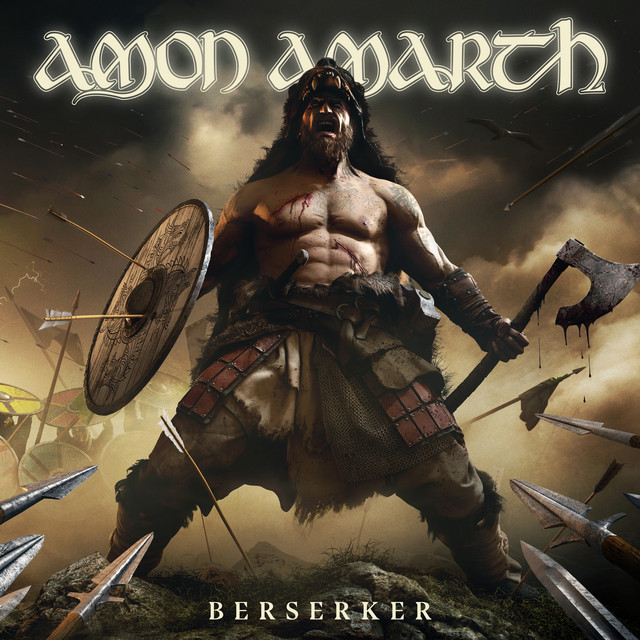
Berserker
Amon Amarth
Dished (Male Stripper) (edit)
Purple Disco Machine
Cold as Stone (Remixes) (feat. Charlotte Lawrence)
Kaskade
Wie viel Liebe noch fehlt
Rola & Megaloh
Unleashed
Killswitch Engage
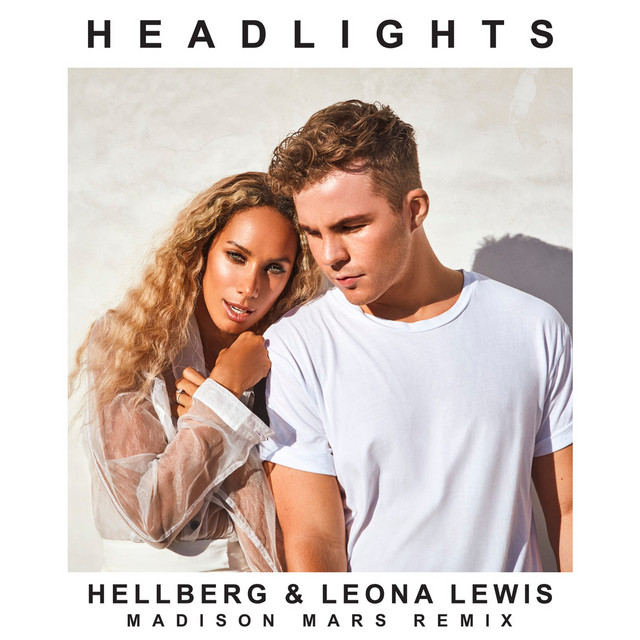
Headlights (Madison Mars Remix)
Hellberg, Leona Lewis, Madison Mars
You Deserve Better (Andrelli Remix)
James Arthur
Auf und davon
Antje Schomaker
Show more
Artists
Wardruna
Purple Disco Machine
Jean-Michel Jarre
Evanescence
filous
Ty Dolla $ign
Killswitch Engage
Kissin' Dynamite
Silbermond
Amon Amarth
Lindsey Stirling
Die Fantastischen Vier
Marnik
Sofía Reyes
James Arthur
Sophie Ellis-Bextor
Iris Caltwait
Von Wegen Lisbeth
Revolverheld
Hämatom
Alligatoah
Rikas
Lucio101
Kaskade
Travis Barker
Florian Künstler
Nina Chuba
Clueso
HE/RO
Max Mutzke
Lahos
NGEE
Dodo
Dabu Fantastic
Antje Schomaker
Fero47
Lotte
Be Charlotte
Pegasus
Anna Brunner
dePresno
Baba Shrimps
Sebastian Lind
8bucks
LEEPA
Mimiks
Carson James Argenna
DAWILL
COBEE
Ina Müller
Young Lungs
Dazzle
Rose Rae
Rita Roof
Skofka
Bruckner
EffE
LCone
Hurts
Frank Walker
Seeb
Leona Lewis
FAANGS
Sophie and the Giants
SHOTTY HORROH
The Baseballs
PollyAnna
Selig
Amy Lee
Hellberg
LCAW
Charlotte Lawrence
Max Giesinger
Johannes Oerding
Teddy Failure
KALUSH
Justin Jesso
Ardian Bujupi
Fresh Mode
Nura
Elvana Gjata
addeN
Rola
Megaloh
Remoe
Michael Patrick Kelly
Download our mobile app
Get the Melodigging app and start digging for new genres on the go
Download on the App Store
Get it on Google Play
© 2026 Melodigging
Give feedback
Legal
Melodding was created as a tribute to
Every Noise at Once
, which inspired us to help curious minds keep digging into music's ever-evolving genres.