Genres
Artists
Albums
Make Music
Sign in
Sign in
Record label
Sony Music Labels Inc.
Japan
Related genres
Alternative Rock
Alternative rock is a broad umbrella for guitar-based rock that emerged from the independent and college-radio scenes as a counterpoint to mainstream, commercial rock. It blends the energy and ethos of punk with the textural and songwriting experiments of post-punk, new wave, jangle pop, and noise rock, often foregrounding introspective or socially aware lyrics. Across its many strains—from the melodic minimalism of college rock to the loud-quiet-loud dynamics of grunge and the artful experimentation of Radiohead-era modernism—alternative rock prioritizes authenticity, sonic individuality, and a do-it-yourself approach. Its sound ranges from chiming, chorus-laden clean guitars to abrasive distortion and feedback, supported by straightforward rock rhythms or off-kilter grooves, and production that can be either raw and live-sounding or polished yet unconventional.
Discover
Listen
Asian Rock
Asian Rock (in the contemporary online-rap sense) is a pluggnb-derived microstyle that fuses the dense, bouncy percussion of pluggnb with bright, anime/Asian-rock-tinged melodic cues. Production typically layers airy bells, mallet or synth plucks, and shimmering pads with soaring synthetic guitar leads that nod to Japanese rock and anime-score aesthetics. Vocals lean melodic—half-sung, half-rapped—with light autotune and emotive hooks, riding swung hi-hats, skipping rimshots, and rubbery 808 slides. Rather than a geographic tag, this style labels a sonic palette: internet-native trap built on pluggnb drums and glossy, nostalgic melodies that evoke anime openings and J-rock guitar heroics.
Discover
Listen
Electronic Rock
Electronic rock is a fusion genre that blends the instrumentation, songwriting, and performance energy of rock with the timbres, tools, and production methods of electronic music. Guitars, bass, and live drums coexist with synthesizers, drum machines, sequencers, and samplers, yielding textures that can range from shimmering and atmospheric to gritty and industrial. Stylistically, electronic rock spans motorik grooves and experimental soundscapes, the sleek sheen of new wave and synth-driven hooks, the distortion and aggression of industrial-influenced rock, and the minimalist pulse of indie and dance-oriented hybrids. It often emphasizes sound design, studio processing, and loop-driven rhythms while retaining rock’s song forms, vocal presence, and live performance ethos.
Discover
Listen
Emo
Emo is a rock subgenre that emerged from the mid-1980s Washington, D.C. hardcore punk scene as “emotional hardcore” (often shortened to emocore). It retains punk’s urgency but foregrounds confessional, vulnerable lyrics and dramatic dynamic shifts. Across its eras, emo has encompassed several distinct sounds: the intense, cathartic D.C. style; the melodic, guitar‑intricate “Midwest emo” of the 1990s; and the 2000s mainstream wave that blended emo’s lyrical candor with pop‑punk hooks (often called “emo pop”). Common musical traits include intertwining clean and overdriven guitars, intricate arpeggios and counter‑melodies, elastic song structures, and vocals that range from intimate murmurs to raw, impassioned shouts.
Discover
Listen
J-Rock
J-rock (Japanese rock) is the umbrella term for rock music created in Japan, spanning everything from classic rock, punk, and metal to alternative, indie, and progressive strains. It blends Western rock instrumentation and songcraft with Japanese melodic sensibilities, crisp production, and lyrics primarily in Japanese (often mixed with some English phrases). Typical features include hook-forward choruses, expressive guitar leads, tight rhythm sections, and dynamic arrangements that can pivot from delicate verses to big, anthemic refrains. Because of Japan’s media ecosystem, J-rock frequently intersects with anime, TV dramas, and video games, which helps bands reach mainstream audiences while retaining a band-centric, live-performance identity. Although stylistically diverse, J-rock commonly emphasizes memorable melodies, emotional catharsis, and precise musicianship, with influences ranging from British Invasion and classic rock to punk/new wave, progressive rock, and heavy metal.
Discover
Listen
Melodic Hardcore
Melodic hardcore is a subgenre of hardcore punk that fuses the speed, urgency, and ethics of hardcore with tuneful guitar writing and anthemic vocal lines. It retains the genre’s high-energy drumming, shouted delivery, and communal “gang vocals,” but foregrounds memorable melodies, octave leads, and minor-key harmonies. Compared to pop punk, melodic hardcore is generally harsher in tone, faster in tempo, and more lyrically introspective, often addressing personal struggle, perseverance, community, and social conscience. It sits between classic hardcore’s rawness and post-hardcore’s dynamics, offering emotionally charged songs that still hit with punk immediacy.
Discover
Listen
Post-Hardcore
Post-hardcore is a branch of hardcore punk that retains the style’s urgency and DIY ethos while expanding its musical vocabulary. Bands push beyond breakneck tempos and simple power-chord progressions into more dynamic song structures, varied rhythms, and a wider emotional range. Guitars often alternate between caustic distortion and clean, chiming textures; vocals can shift from shouted slogans to melodic singing; and arrangements emphasize tension-and-release, odd meters, and dramatic builds. Lyrically, post-hardcore tends to be more introspective and socially conscious than its hardcore roots, touching on personal, political, and philosophical themes.
Discover
Listen
Rock
Rock is a broad family of popular music centered on amplified instruments, a strong backbeat, and song forms that foreground riffs, choruses, and anthemic hooks. Emerging from mid‑20th‑century American styles like rhythm & blues, country, and gospel-inflected rock and roll, rock quickly expanded in scope—absorbing folk, blues, and psychedelic ideas—while shaping global youth culture. Core sonic markers include electric guitar (often overdriven), electric bass, drum kit emphasizing beats 2 and 4, and emotive lead vocals. Rock songs commonly use verse–chorus structures, blues-derived harmony, and memorable melodic motifs, ranging from intimate ballads to high‑energy, stadium‑sized performances.
Discover
Listen
Albums
NEVER SAY NEVER
THREE LIGHTS DOWN KINGS
Moon Light Densetsu
中川翔子
民法第709条
ミオヤマザキ
2PIKO
ピコ
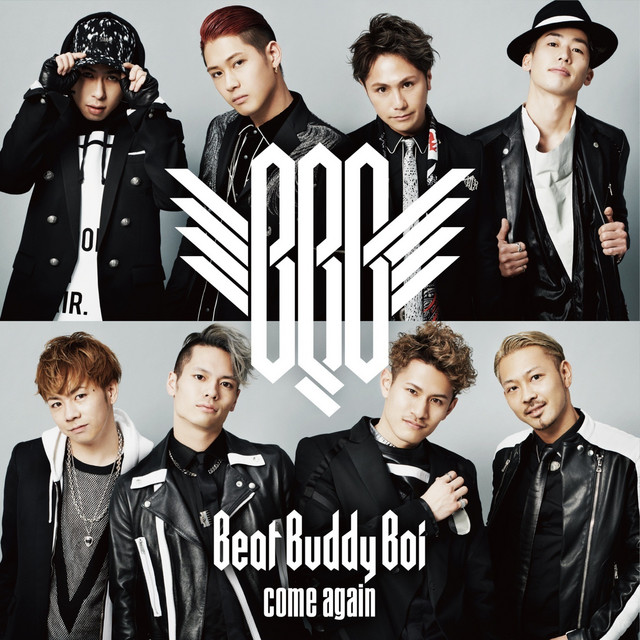
come again
Beat Buddy Boi
if
Kana Nishino
おいしい季節/決定的三分間
栗山千明
PORNO GRAFFITTI BEST ACE
PornoGraffitti
愛しきあなたへ
Taeko Onuki & Ryota Komatsu
告白
チャットモンチー
Show more
Artists
Foals
Stray Kids
Sayuri
PornoGraffitti
X JAPAN
Mika Nakashima
Shota Shimizu
LiSA
SID
Sangatsu no Phantasia
SPYAIR
Taeko Onuki
QUEEN BEE
MUCC
Cassandra Wilson
Tommy heavenly⁶
NANAOAKARI
Kenshi Yonezu
Ken Hirai
Sawano Hiroyuki
Shoko Nakagawa
MISIA
L'Arc-en-Ciel
DOES
Yutaka Yamada
Naoki Sato
ALI
Slushii
Miliyah
Survive Said The Prophet
PELICAN FANCLUB
Kuroneko
Kalafina
MAN WITH A MISSION
Ikimonogakari
Uru
Toshinobu Kubota
AKAIKO-EN
Chatmonchy
Hitorie
Puffy AmiYumi
2PM
Denki Groove
大滝詠一
真山りか
MIREI
Yoh kamiyama
TM NETWORK
Kana Nishino
Mashiro Ayano
JUNE
The Gospellers
KANA-BOON
sumika
Cö shu Nie
YooA
MONONKVL
DREAMS COME TRUE
Yoshiyuki Osawa
TK from Ling tosite sigure
BEAT CRUSADERS
Fujifabric
SUDA MASAKI
Various Artists
DISH//
Komatsu, Ryōta
Matsutani, Suguru
Sekihan
KAWABATA
Adachi, Kana
Ishizaki, Huwie
Takada, Wataru
THREE LIGHTS DOWN KINGS
Mio Yamazaki
Piko
Beat Buddy Boi
Kuriyama, Chiaki
Yusuke
Matsushita, Yuya
Rake
RAM WIRE
SAWA
Genki Rockets
Kuroki, Meisa
Model Girls
MiChi
Serena
Kobayashi, Akiko
12. Hitoe
TRICERATOPS
RUN THE FLOOR
Swimy,
DEEP
ShuuKaRen
Nakamura, Miku
WOOYOUNG
Centimillimental
AKKOGORILLA
ЯeaL
OKAMOTO'S
Flower
JASMINE
Download our mobile app
Get the Melodigging app and start digging for new genres on the go
Download on the App Store
Get it on Google Play
© 2026 Melodigging
Give feedback
Legal
Melodding was created as a tribute to
Every Noise at Once
, which inspired us to help curious minds keep digging into music's ever-evolving genres.