Your digging level
Description
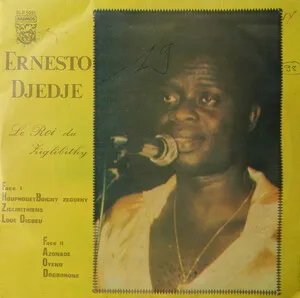
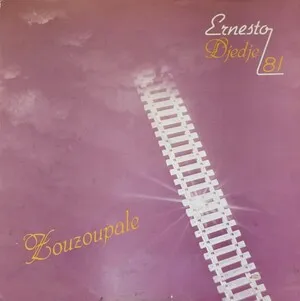
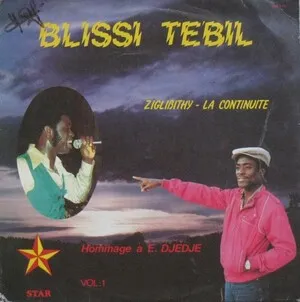
Ziglibithy is a 1970s Ivorian dance music created and popularized by Ernesto Djédjé. It fuses traditional Bété rhythms from western Ivory Coast with the liquid, interlocking guitar lines of Congolese rumba and soukous, plus the punchy bass, drums, and occasional horn riffs of funk and highlife.
Typically fast and buoyant, ziglibithy is designed for the dance floor: bright, trebly lead guitar plays cyclical riffs, a second guitar answers in a higher “mi-solo” register, and a nimble bass locks a syncopated groove with polyrhythmic percussion. Call-and-response vocals—often in Bété and French—celebrate love, social life, and everyday stories, while extended instrumental breaks let the band ride the rhythm.


History
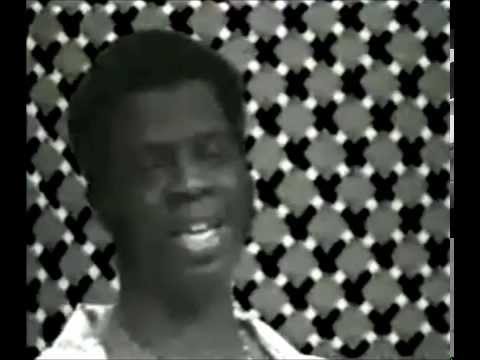
Ziglibithy emerged in the mid-1970s in Abidjan, Ivory Coast, when Ernesto Djédjé synthesized traditional Bété rhythms with modern urban dance music. Having absorbed Congolese rumba/soukous guitar styles circulating across West and Central Africa and the horn-forward sparkle of highlife and funk, he shaped a distinctly Ivorian sound that foregrounded swift, cyclical guitar figures and festive, polyrhythmic grooves.
Djédjé’s recordings and high-energy performances quickly made ziglibithy a national craze. The formula—driving percussion, melodic guitar lines, call-and-response hooks, and concise horn stabs—translated local rhythms to the cosmopolitan clubs and radio of Abidjan. Singles and LPs from this period established ziglibithy as a flagship of modern Ivorian pop, with dance-forward arrangements and singable refrains.
Following Djédjé’s untimely death in 1983, the style’s direct commercial momentum slowed, yet its DNA remained central to Ivorian popular music. Musicians retained its guitar language, rhythmic emphasis, and celebratory vocal approach. These traits fed into later Ivorian genres and scenes, laying groundwork, attitude, and arrangement ideas that younger artists would reformulate.
Ziglibithy’s upbeat, guitar-led stance and local-language storytelling helped pave the way for subsequent Ivorian dance styles and the broader identity of Ivorian pop. Reissue compilations and archival projects since the 2000s have brought new international attention, underscoring ziglibithy’s role as a cornerstone of the country’s modern musical history.


Top albums


Best playlists