Your digging level
Description
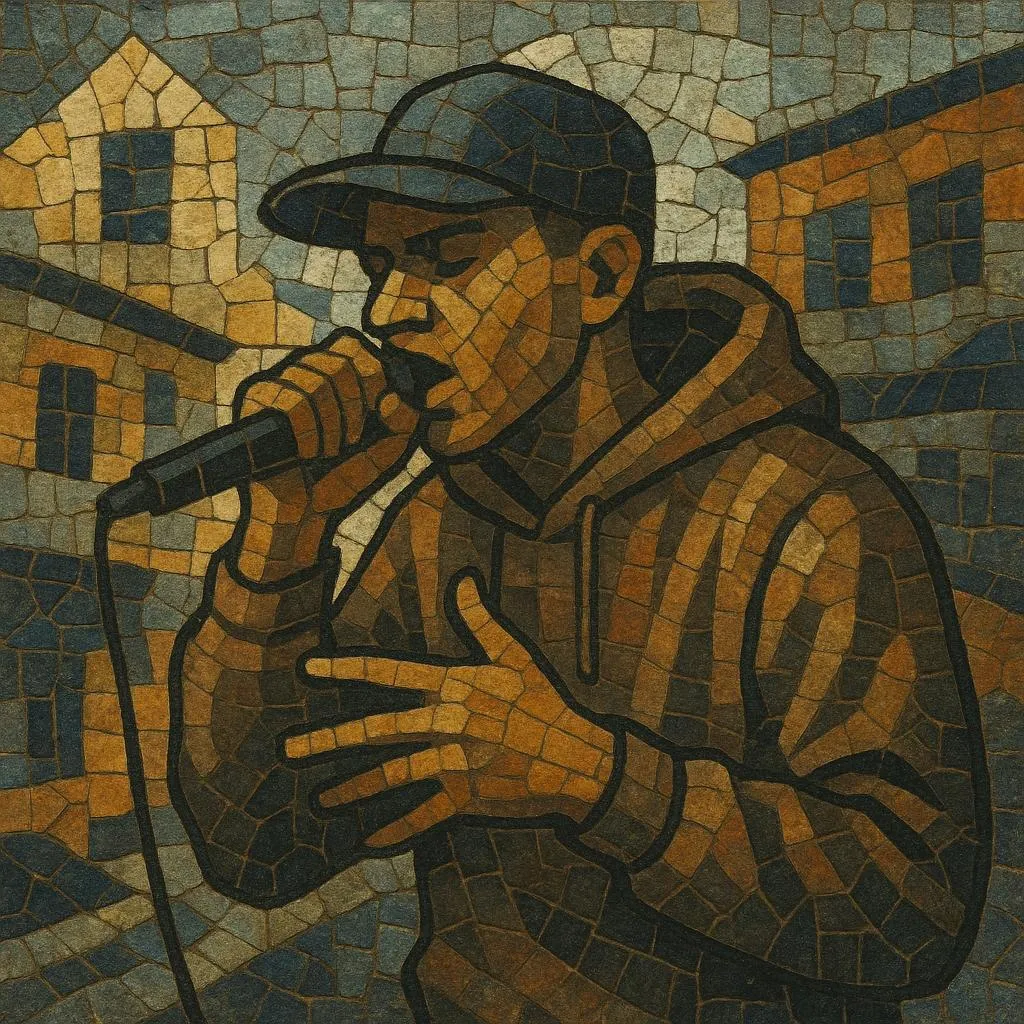
Vlaamse rap is Dutch‑language hip hop from Flanders (the Dutch‑speaking northern region of Belgium).
Its identity rests on rapping in unmistakable Flemish dialects (Antwerps, West‑Vlaams, Gents, Brussels Vlaams), a strong narrative voice, and a mix of old‑school boom‑bap sampling with modern trap sonics. Artists lean into local slang, humor, and social realism, balancing tongue‑in‑cheek wordplay with grounded stories about city life, migration, class, and identity.
Musically, the style spans dusty, sample‑based beats to 808‑driven half‑time grooves, often with soulful hooks and a conversational flow that foregrounds the musicality of Flemish prosody.


History
Flemish rap coalesced in the late 1990s as hip hop culture spread across Belgium. While early Belgian rap was most visible on the Francophone side, Flemish crews began carving a distinct lane by embracing local dialects rather than neutral Dutch or English. West‑Flemish group 't Hof van Commerce became a scene‑defining name, proving that rapping in a thick dialect could be both musically compelling and widely relatable.
Through the 2000s, a small but steady ecosystem formed in Antwerp, Ghent, Brussels, and West Flanders. Independent labels, college radio, and local venues supported MCs who fused classic boom‑bap with storytelling steeped in Flemish daily life. The period normalized dialect rap, encouraged experimentation with sung hooks, and linked Flemish artists to the broader Low Countries hip hop network.
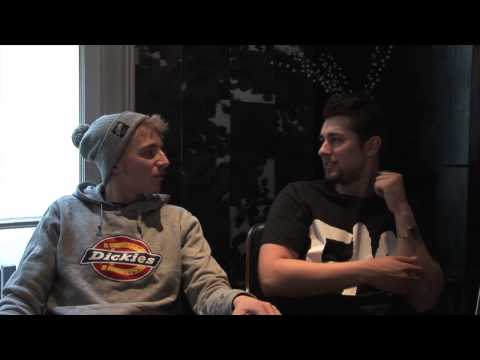
The 2010s brought a stylistic refresh: trap drums, 808 bass, and moodier production entered the palette, while YouTube and streaming platforms amplified reach. Artists like Tourist LeMC, Zwangere Guy, Brihang, STIKSTOF, and Safi & Spreej drew large audiences, festival slots, and chart visibility. Collectives and DIY imprints in Antwerp and Brussels fostered collaboration, and bilingual Brussels acted as a cultural hinge between Flemish and Francophone scenes.
In the 2020s, Vlaamse rap spans introspective singer‑rapper hybrids, hard‑edged street rap, and jazz‑inflected boom‑bap. Younger artists toggle between dialects and standard Dutch, and occasionally English, without losing the genre’s core: a distinctly Flemish cadence, a sense of place, and a storytelling tradition that situates global hip hop idioms in local realities.
Work in two main feels:
•Boom‑bap: 85–95 BPM with swung hats, crisp snares, and sampled chops.
•Trap: 65–75 BPM (double‑time 130–150) with 808 kicks, rolling hi‑hats, and sparse, moody pads.