Your digging level
Description
Tumbélé is a French-Caribbean dance music that emerged in Guadeloupe and Martinique in the 1960s. It fuses the steady, guitar-driven pulse of Haitian compas, the interlocking guitar lines and high-energy breaks of Congolese soukous, the 3–2/2–3 rumba clave and call-and-response of Cuban guaguancó, and the Creole horn-and-percussion swagger of local biguine.
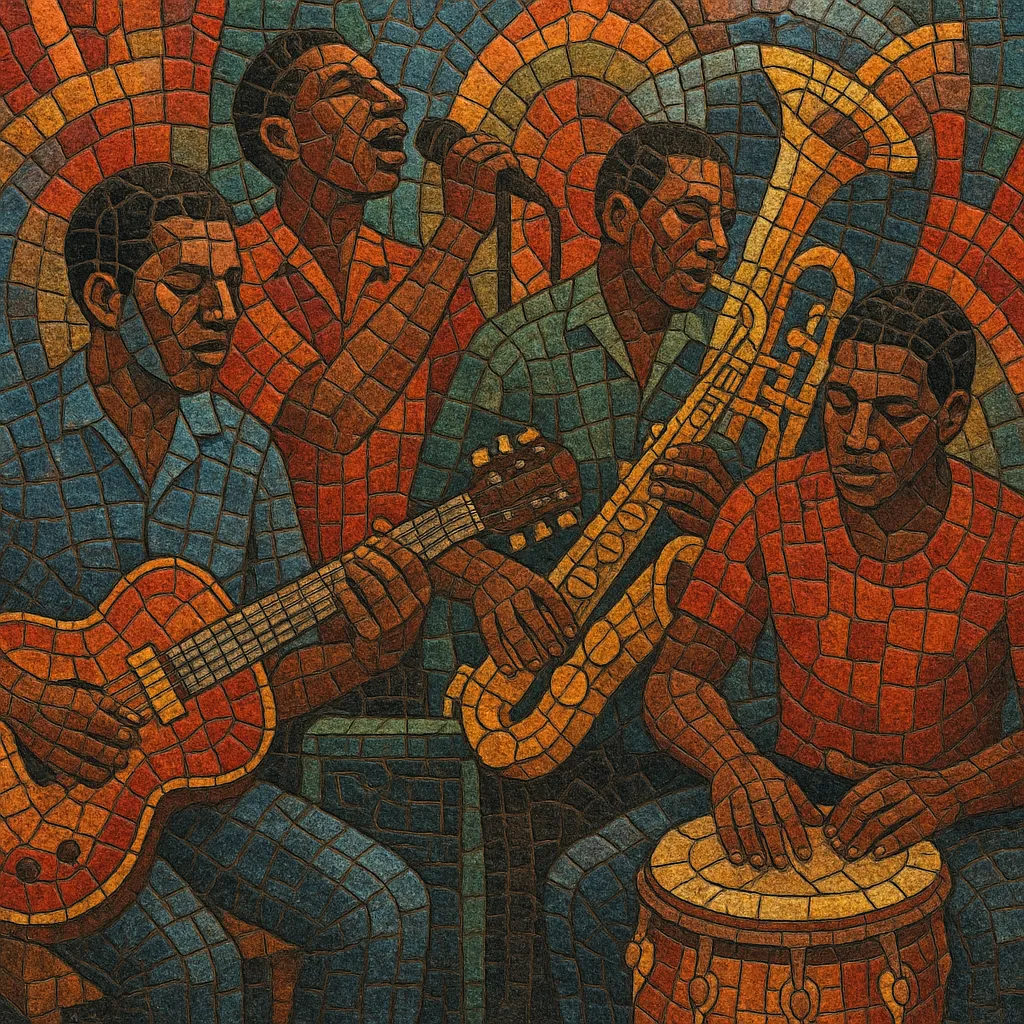
Typically mid- to uptempo and built for street parades and club floors alike, Tumbélé foregrounds syncopated percussion (ti-bwa/tibwa sticks, hand drums, cowbell) against a tumbao-style bass, off‑beat compas rhythm guitar, bright soukous‑style guitar “seben” passages, and punchy horn riffs inherited from biguine. Vocals are often in Antillean Creole, with catchy refrains designed for dancing and communal singalong.
History
Tumbélé took shape in the French Antilles as local bands absorbed parallel Afro-diasporic dance currents. Haitian compas had already spread throughout the region via touring orchestras and records; at the same time, Cuban rumba/guaguancó patterns and song forms were widely known, and Congolese soukous guitar styles were circulating on Caribbean radio and in port cities. Musicians in Guadeloupe and Martinique hybridized these currents with their own biguine/Creole dance traditions, yielding a raw, highly danceable style locals came to call “tumbélé.”
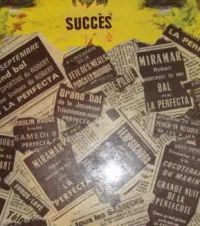
The style thrived in sound-system dances, carnivals, and small clubs, propelled by labels and studios in Pointe-à-Pitre and Fort‑de‑France (notably Henri Debs & Cie). Bands emphasized a tight compas groove, horn lines and Creole hooks from biguine, guaguancó clave flow, and soukous‑inspired guitar breaks (seben) to lift dancers. Compilation archives of the period (e.g., French reissue programs focusing on 1963–1974) document how Tumbélé acted as a meeting point for Antillean, Haitian, Cuban, and Congolese aesthetics.
Though later overshadowed by the global rise of zouk in the 1980s, Tumbélé laid important groundwork: it normalized pan‑Afro‑Atlantic grooves in French‑Antillean pop, modernized biguine’s instrumentation, and codified a club‑ready mix of compas pulse and soukous guitar that zouk and related French‑Caribbean scenes built on. Periodic reissues and DJ rediscovery have revived interest, with contemporary selectors folding Tumbélé cuts into Afro‑Latin sets and historians recognizing it as a key bridge in the French‑Caribbean dance continuum.