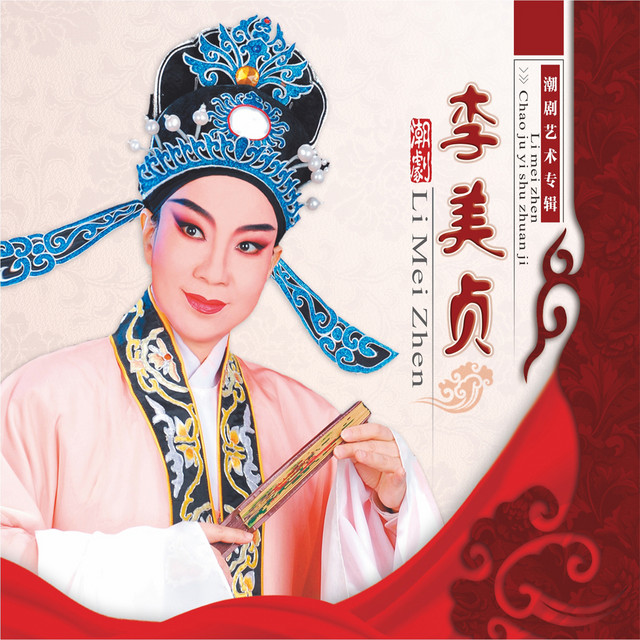
Description
Teochew opera, also called Chaozhou opera or Chiuchow opera, is a regional form of Chinese opera that combines singing, instrumental music and acting with dance, martial arts and acrobatics. Its vocal style can be light, low and lyrical, while choral responses to a solo singer give the music a collective, dramatic force.
The ensemble balances melodic strings and winds against a percussion section that energizes the action. Instrumental music helps shape the emotional atmosphere as well as the pace of a scene. The theatre is also notable for the prominence it gives clown characters, who can take leading roles rather than merely provide comic interludes.
History
Origins and formation
Teochew opera emerged in the Chaoshan region of southern China. It developed from the Nanxi tradition and absorbed several regional vocal styles during the Ming period. Yiyang-qiang contributed to its choral and high-register vocal practices; Qingyang-qiang supplied techniques that made singing more colloquial; and Siping-qiang contributed fixed melodies and structural patterns.
Community and migration
Teochew opera became part of religious and ancestral ceremonies as well as a form of entertainment. Teochew immigrants brought it to Malaysia in the early 19th century. In Hong Kong, performances were especially prominent at Ghost Festival celebrations in the 1960s and 1970s; their presence later declined.
Adaptation in Thailand
In Thailand, the tradition has developed local forms alongside older Teochew practices. Zhuang Meilong was among the artists who promoted Thai-language Teochew opera, incorporating Thai lyrics into Teochew melodic structures and drawing on Thai musical characteristics.
Shape a dramatic scene
Begin with a libretto and a situation that can be conveyed through singing, acting and movement. Let the music respond to the characters and action rather than treating it as an independent song. A comic character can carry substantial dramatic weight, not just appear between serious scenes.
Write for voices
Try a light, low and lyrical solo line, then give a chorus answering or reinforcing phrases. Contrast the soloist's delivery with a more forceful collective response. For a livelier, more conversational passage, experiment with extra colloquial syllables in the sung text.
Arrange the ensemble
Give the melodic section, or Wenchang, lines for strings and winds such as erxian, pipa and suona. Use the percussion section, or Wuchang, to articulate rhythm and intensify stage action; drums, gongs and cymbals can all contribute. Vary the balance between the two sections to support changes in mood, leaving room for the voices to be heard.