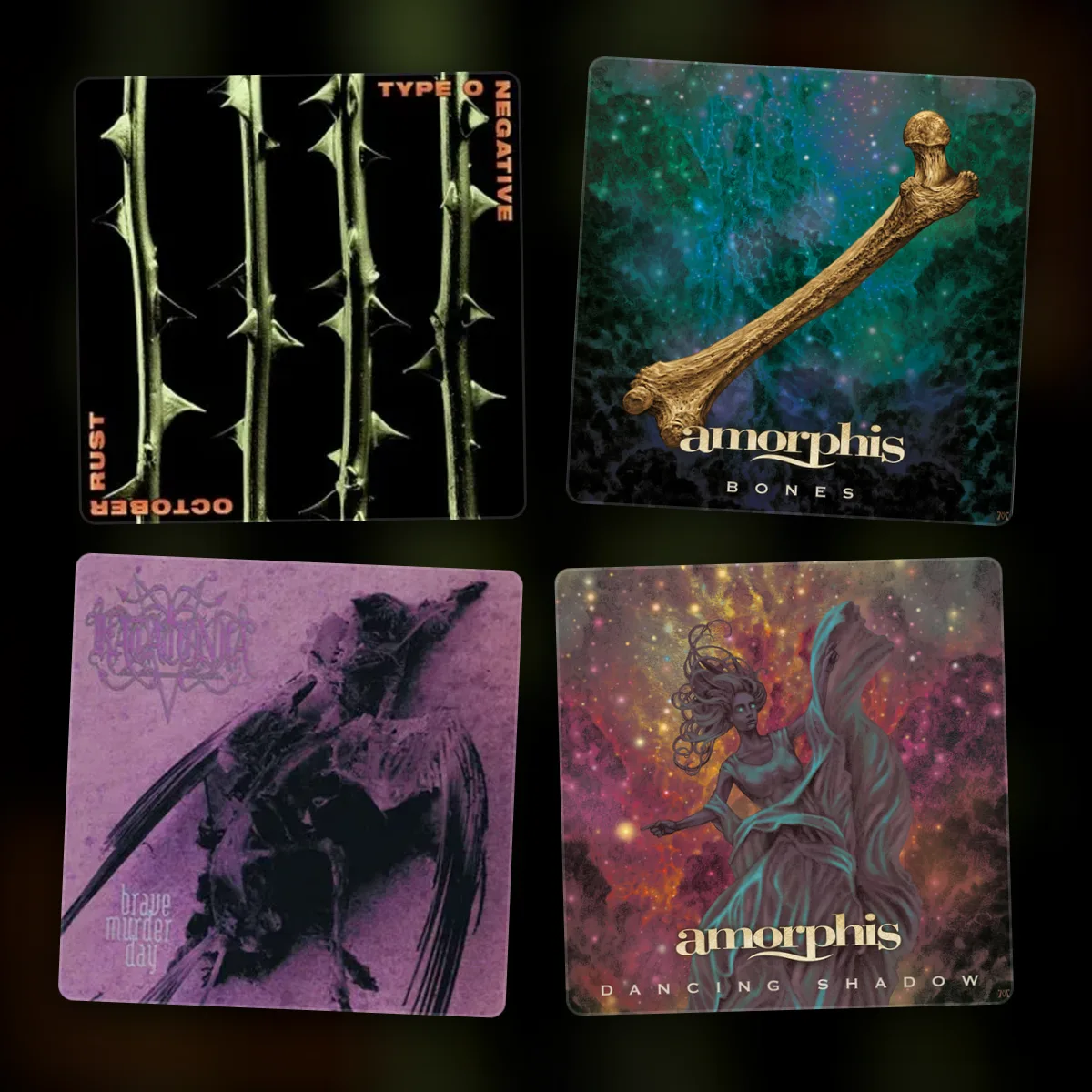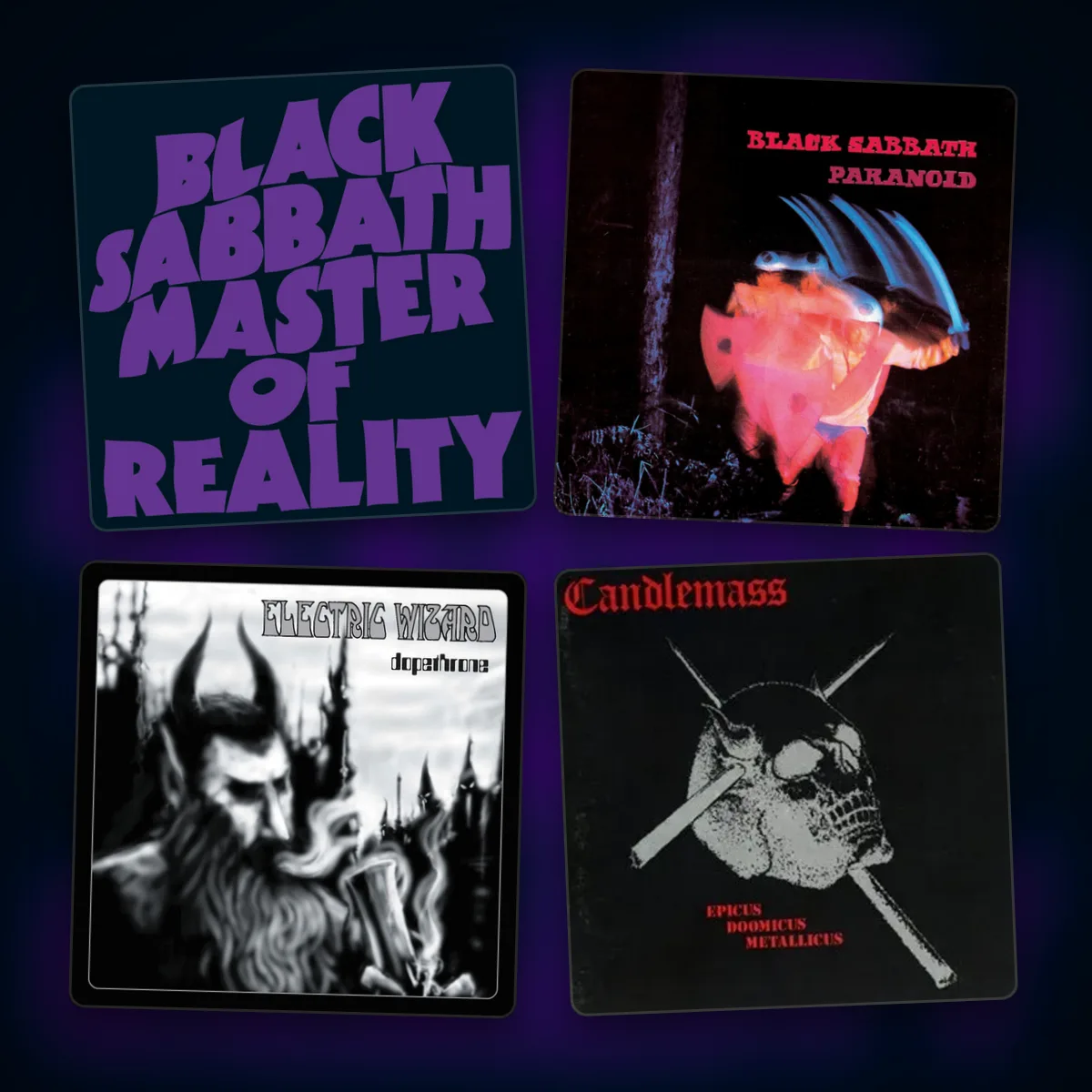
Description
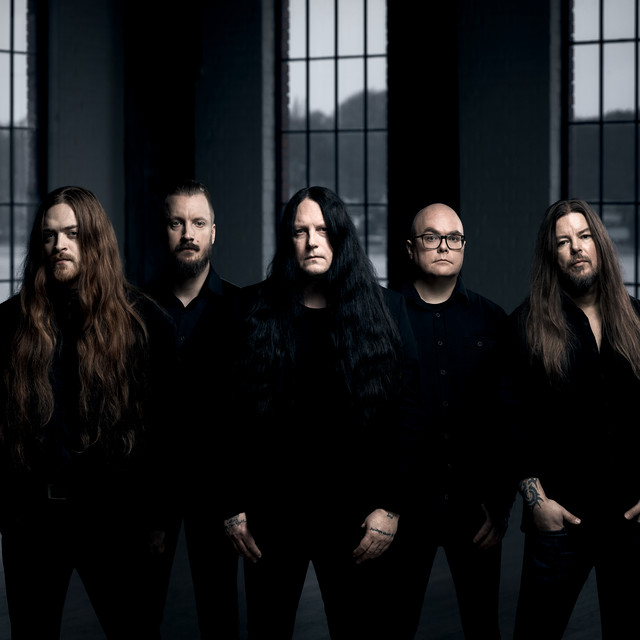
Heavy guitar chords, bass and pounding drums give Swedish doom metal a dark, dramatic weight. The term groups Swedish artists within doom metal; it is mapped by Every Noise at Once and used for a Spotify playlist, but has scant published description.
The music ranges from slow, plodding riffs to more driving passages that can still feel broad and heavy through a half-time pulse. Distorted guitars often build a dense wall around minor-key progressions, while roomy drums, reverb and atmospheric keyboard or choir-like layers add depth. Vocals range from low, gravelly or spoken-sung delivery to gritty, high-register belting and occasional screams, sometimes reinforced by harmonies.
Several strands of heavy music meet under the name: the abrasive attack of sludge metal, the psychedelic and blues-inflected weight of stoner metal, and the somber, theatrical atmosphere of gothic metal. Many song titles are in English, with some in Swedish; images of sorrow, death and autumn recur among them.
Based on: Every Noise at Once, Spotify's genre tags and playlist
Build the weight
Start with a minor-key riff for distorted electric guitar and bass. Draw on doom metal by letting power chords ring, or use palm-muted chugs for a tighter, more insistent pattern. Keep the drums heavy, with prominent snare backbeats and cymbals; a driving groove can shift into a broad half-time feel.
Shape the atmosphere
For a sludge metal edge, make the riffs more abrasive and the vocals harsher. For stoner metal, introduce a more melodic, blues-inflected riff; for gothic metal, try a somber keyboard layer and a theatrical vocal melody.
Arrange and mix
Layer guitars into a thick sound without burying the bass and drums. Add reverb for a spacious feel, and use subtle synth, organ or choir-like textures behind the band. Try contrasting low, resonant singing with higher, strained lines or backing harmonies.


Best playlists

Influenced by