


Your digging level
For this genre
0/8
🏆
Sign in, then listen to this genre to level up
Description
Sugama Sangeetha is an Indian variety of Bhavageethe built around Kannada poetry set to music. Its identity lies in the relationship between the written words, the singer’s delivery and the melody.
Earlier settings were closely related to classical music, while later composers expanded the form’s melodic and orchestral possibilities. Expressive emphasis on words and the use of dramatic effects can make the poetic text central to a performance.
History
Early development
The wider practice of Bhavageethe included attempts to set poetry to music in the 1920s and 1930s. By the 1950s it had taken a more defined shape. P. Kalinga Rao helped establish Sugama Sangeetha by composing tunes for poems by Navodaya poets and performing on All India Radio and at public gatherings.
Expansion and recording
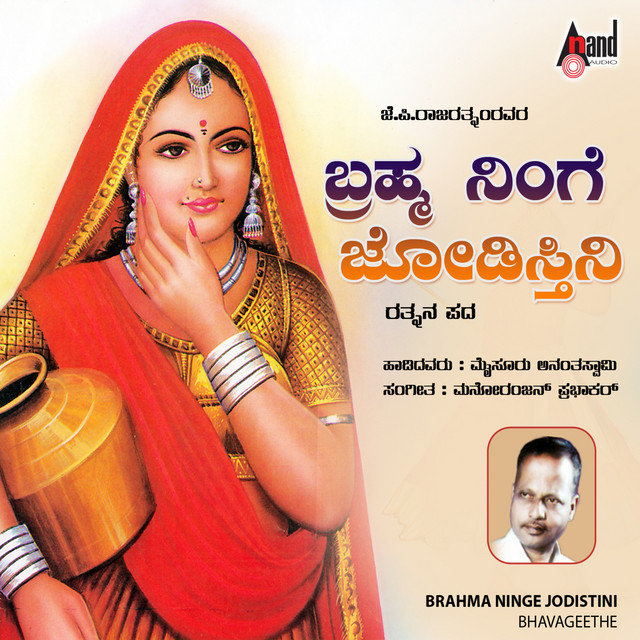
In the 1960s and 1970s, musicians including H.R.Leelavathi, Padmacharan, H. K. Narayana and Balappa Hukkeri helped popularize the music across Karnataka. Mysore Ananthaswamy expanded its musical approach beyond its earlier closeness to classical music and changed its orchestration. His Nithyotsava was the first Bhavageethe album to be released.
C. Aswath brought a distinctive emphasis on lyrical expression and dramatic presentation. Rao, Ananthaswamy and Aswath are regarded as the form’s principal trio.
Begin with the poem
Choose a Kannada poem and shape a melody around its phrasing. Let changes in the text guide the musical emphasis, so that important words remain clear rather than being obscured by the tune.
Develop the vocal setting
Try varying the delivery as the poem’s meaning changes. A passage can be sung simply, while a particularly vivid image might invite a more dramatic gesture. Keep the relationship between words and melody at the center of the piece.
Arrange around the voice
Build an accompaniment that supports the poem and leaves space for the singer. You could begin with a simple arrangement and add instrumental color where it reinforces a change of mood or imagery; the form’s development has included changes in orchestration as well as approaches that move beyond a strictly classical setting.
Best playlists
Users’ favorites
Tracks
Share your favorite track to see the other users’ ones
Artists
Share your favorite artist to see the other users’ ones
Albums
Share your favorite album to see the other users’ ones
Upcoming concerts
in this genre

