Your digging level

For this genre
0/8
🏆
Sign in, then listen to this genre to level up

Description

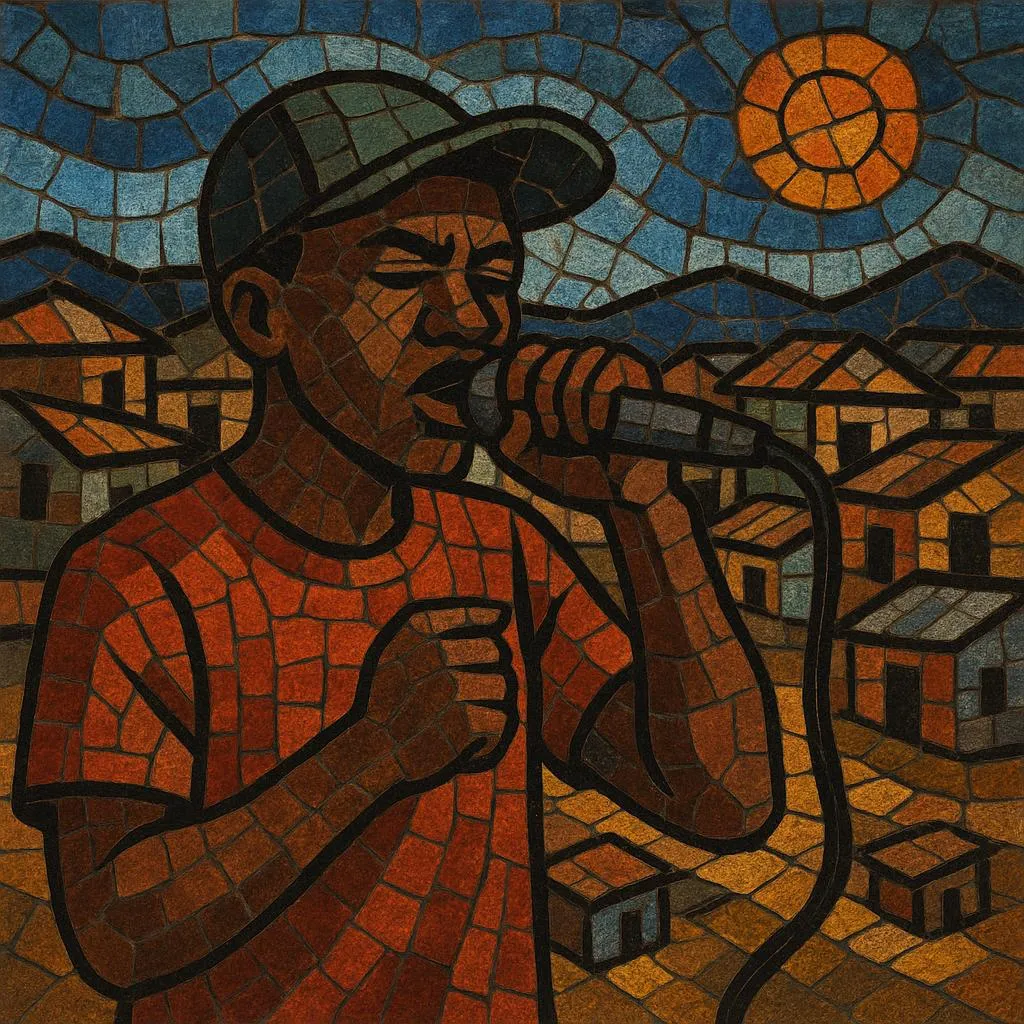
Spaza is a South African township style of hip‑hop that emerged on the Cape Flats, specifically in Gugulethu, during the early 2000s. The name references informal “spaza” shops found in townships, signaling music that is local, self‑made, and community‑rooted.

Rapped primarily in isiXhosa (often blended with township slang, English, and Afrikaans), Spaza favors raw, boom‑bap‑leaning beats, street‑level storytelling, and sharp social commentary about life on the Flats. DIY recording, cipher culture, and grassroots performances are integral to its identity, giving Spaza an urgent, unvarnished sound that foregrounds language, rhythm, and community perspective.


Sources: Spotify, Wikipedia, Discogs, RYM, MB, user feedback and other online sources

History

Origins (Cape Flats, Gugulethu)

Spaza coalesced in the early 2000s in Gugulethu on the Cape Flats, a sprawling area outside Cape Town shaped by apartheid spatial planning. Young MCs began rapping in isiXhosa over home‑made, boom‑bap‑influenced beats, organizing ciphers in streets, yards, and community halls. The name “Spaza” nodded to informal township shops, reflecting the scene’s DIY economy and hyperlocal identity.

Language, Identity, and Community

Unlike much of earlier South African hip‑hop that leaned on English, Spaza foregrounded isiXhosa and Cape Flats vernacular. This linguistic stance was more than stylistic—it asserted cultural presence, local humor, and social critique. Lyrics chronicled township life, from daily hustle and township pride to safety, inequality, and resilience.

Recording, Labels, and Visibility

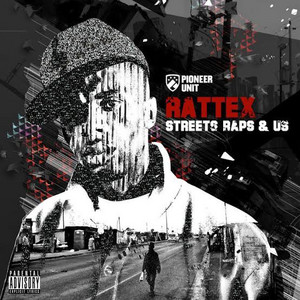
Independent studios and small labels—most visibly in Cape Town’s underground ecosystem—helped document Spaza’s energy through mixtapes, singles, and compilation appearances. Crews such as Driemanskap and artists like Rattex gave the style distinct voices and bodies of work. Live shows, open mics, and community events were crucial platforms that circulated the sound long before significant radio play.

Consolidation and Wider Recognition

By the late 2000s and 2010s, Spaza’s language‑forward ethos and street‑level narratives shaped the broader Cape Town hip‑hop identity. A new generation of MCs took cues from Spaza’s isiXhosa delivery and township imagery even as production diversified to include trap‑tempos and hybrid beats. While still proudly local, the style’s influence began to surface in national circuits and on digital platforms.

Legacy

Today, Spaza stands as a touchstone for language, place, and independence in South African hip‑hop. It helped normalize rapping in isiXhosa within contemporary hip‑hop, preserved township speech patterns and idioms in recorded music, and maintained a model of community‑oriented creation that continues to inspire new artists on the Cape Flats and beyond.

How to make a track in this genre

Core Aesthetic
•   Embrace isiXhosa as the principal delivery, mixing in Cape Flats slang, English, and Afrikaans as they occur naturally in township speech. Clarity, agility with internal rhymes, and rhythmic use of clicks and tone are central. •   Keep production direct and street‑ready: gritty, sample‑based or minimal synth lines over firm, punchy drums that foreground the voice.
Rhythm and Tempo
•   Typical grooves sit in a boom‑bap pocket around 85–98 BPM, though slower or faster tempos can work if they preserve the head‑nod feel. •   Drums should be dry and present: strong kicks, crisp snares, and open hi‑hats or shakers that reflect the cipher/yard energy.
Harmony, Melody, and Texture
•   Use sparse harmony so lyrics lead. Lo‑fi textures, vinyl crackle, and short, looped motifs keep the focus on the MC. •   Samples (if used) can nod to South African traditions (e.g., mbaqanga/marabi fragments) or township soundscapes, but keep them subtle.
Writing and Delivery
•   Prioritize storytelling and social observation: daily life, humor, struggle, pride, and community detail. •   Balance braggadocio with authenticity; punchlines grow from local reference points and lived experience. •   Hooks can be chant‑like and communal, inviting call‑and‑response that works both on stage and in ciphers.
Production and Performance Practice
•   Record in intimate settings: small rooms, community studios, and rehearsal spaces retain the raw air of Spaza. •   Leave space in the mix for voice and ad‑libs; avoid over‑processing. •   Perform in circles and small venues first—cipher culture sharpens breath control, projection, and crowd interplay.
Collaboration and Community
•   Feature guest verses among neighborhood MCs to keep the scene interconnected. •   Document freestyles and street sessions; these artifacts are part of Spaza’s living archive.

Best playlists

Top tracks

Locked
Share your favorite track to unlock other users’ top tracks

Upcoming concerts

in this genre
Influenced by
Has influenced
No genres found

Download our mobile app

Get the Melodigging app and start digging for new genres on the go
© 2026 Melodigging
Melodding was created as a tribute to Every Noise at Once, which inspired us to help curious minds keep digging into music's ever-evolving genres.
Buy me a coffee for Melodigging