Your digging level
Description
Somatik techno is a raw, body-forward strain of underground techno that favors saturated drum machines, overdriven bass, and tactile, “somatic” grooves over glossy sound design.
Typically sitting around 126–136 BPM, tracks revolve around hypnotic 4/4 pulses, clipped percussive loops, and minimal harmonic material, often bathed in tape hiss, bit-crush, or analog-style saturation. The aesthetic aligns with post-industrial minimalism: stark textures, purposeful lo‑fi edges, and a club architecture that is more physical than melodic. Visuals and scene culture commonly reflect DIY netlabel traditions and Eastern European underground club culture—black-and-white graphics, medical/diagrammatic imagery, and utilitarian design.
While it shares DNA with industrial techno and EBM, somatik techno is less about maximal aggression and more about relentless corporeal momentum—music engineered to be felt in the chest and legs as much as heard.
History
Somatik techno coalesced in the 2010s within DIY circles and netlabels, especially across the post‑Soviet underground. Producers, DJs, and small collectives sought a grittier alternative to glossy big‑room techno, adopting a materially “body-centered” approach—heavy kicks, saturated percussion, and hypnotic, minimal motifs that emphasize the physical sensation of sound.
As with much post-2010s underground music, distribution leaned on Bandcamp and social platforms/collectives. This allowed small scenes to iterate quickly on a shared sound: distorted 909/808 kits, single‑note basslines, restrained motifs, and functional club arrangements with micro‑variation. The term “somatik” reflected the tactile focus—production that prioritizes visceral impact and corporeal entrainment.
By the late 2010s, a recognizable palette had formed: 126–136 BPM, clipped and overdriven drum transients, analog‑ish smear, noise patina, and minimal, modal harmonic language (Aeolian/Phrygian flavors were common). Compared with straight industrial techno, somatik techno tends to be more groove‑locked than clangorous, and compared with EBM, more hypnotic than song‑structured.
Today the style functions as a micro‑scene within the broader hard/industrial techno continuum. It remains club‑centric, producer‑driven, and iterative, influencing adjacent pockets of dark/experimental techno while retaining a utilitarian, floor‑first identity.
![how to make somatik techno [PCP feat. Dmitry S]](https://i.ytimg.com/vi/Kt4aM3ycVJY/hqdefault.jpg)
![Pinch Of [how to make somatik techno #4] - PCP feat. Humphry Osmond](https://i.ytimg.com/vi/hbEICq9qeoA/hqdefault.jpg)
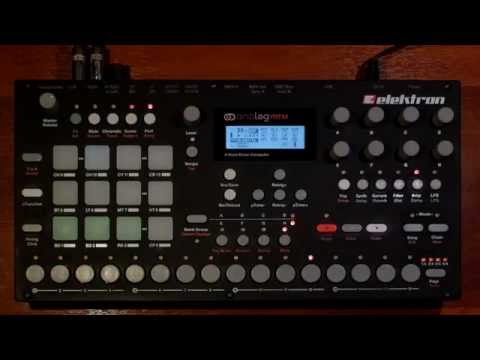
![Remixing Starkato - Melodic Techno Tutorial [Somatic Records]](https://i.ytimg.com/vi/3Qi1cykxoXU/hqdefault.jpg)