Description
Slovenian-style polka, also known as Cleveland-style polka, is an American form of polka rooted in the Slovenian tradition. Associated particularly with Cleveland and other Midwestern cities, it brings dance rhythms together with the sound of the accordion.
A band typically pairs an accordion with a saxophone or clarinet melody line, supported by drums, bass and guitar or banjo. Piano, chromatic and diatonic button accordions are among the instruments used. Some performances also have a swing inflection, reflecting the influence of early jazz.
History
Immigrant roots
The style grew from a musical tradition passed between generations: Slovenian immigrants taught older songs to their children, who later translated them from Slovene into English and arranged them as polkas. This process became part of the oral tradition of Cleveland-style polka.
A wider audience
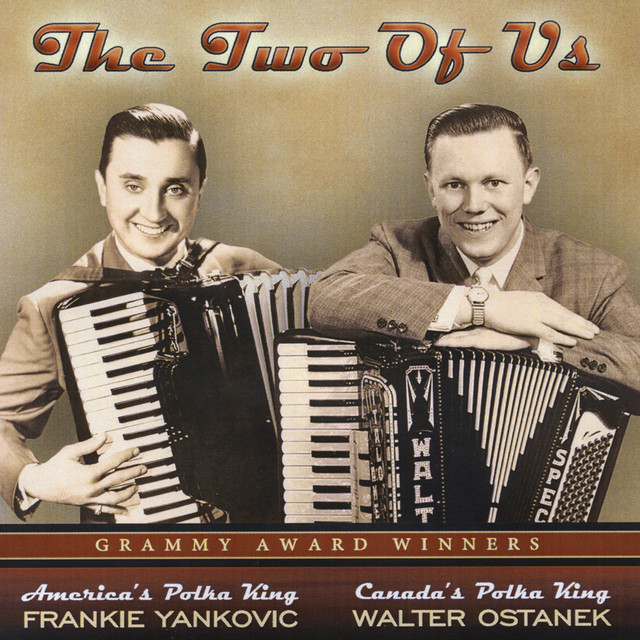
Initially heard in ethnic clubs and union halls, the music reached more listeners through the commercial success of Frankie Yankovic and other performers. Pioneers in its development included Matt Hoyer, William Lausche, Johnny Pecon, Lou Trebar, Johnny Vadnal, Eddie Habat and Kenny Bass.
Swing and other influences
Lausche incorporated elements of classical music and early jazz. The resulting swing can be heard in his piano playing, including on some early recordings by Yankovic.
Build the ensemble
Start with an accordion as a central voice: a piano accordion, chromatic accordion or diatonic button accordion can provide the characteristic lead sound. Add a saxophone or clarinet as another melodic voice, and use drums, bass and guitar or banjo to support the rhythm.
Shape the arrangement
Give the tune a clear polka beat and arrange the melody so the accordion and wind instrument can reinforce or answer each other. You could also adapt a song to the dance rhythm, using the vocal melody as the basis for instrumental passages.
Explore swing
For a swing-inflected approach, experiment with a lighter, more buoyant rhythmic feel in the piano or ensemble. Keep the polka rhythm clear while letting the players' phrasing add movement.