Your digging level for this genre

0/8
🏆
Sign in, then listen to this genre to level up

Description

Slack-key guitar (kī hō'alu) is a Hawaiian fingerstyle tradition for steel‑string acoustic guitar distinguished by "slacked" open tunings, flowing treble melodies, and a steady alternating bass played by the thumb.

It emphasizes ringing open strings, harmonics, and graceful vamps that frame vocal or instrumental melodies tied to Hawaiian poetry and place names. The result is a relaxed, singing guitar sound that can feel both intimate and spacious, often accompanying hula or standing alone as a solo art.

History

Origins (19th century)

Guitars arrived in Hawaiʻi with Mexican and Spanish vaqueros (paniolo) in the 1830s–1840s. Local players adapted the instrument, loosening ("slacking") strings to form resonant open chords that supported Hawaiian vocal styles and hula. This gave rise to kī hō'alu—slack-key—an idiom transmitted within families and rural communities.

Consolidation and early recordings (early–mid 20th century)

Through the early 1900s, slack-key remained largely a home and community practice. Radio and territorial-era performances gradually expanded its audience. While steel guitar and ukulele often grabbed national attention, slack-key persisted as an intimate, vocal-accompaniment and solo tradition.

The modern slack-key renaissance (1960s–1980s)

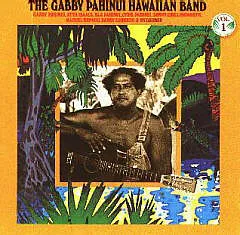
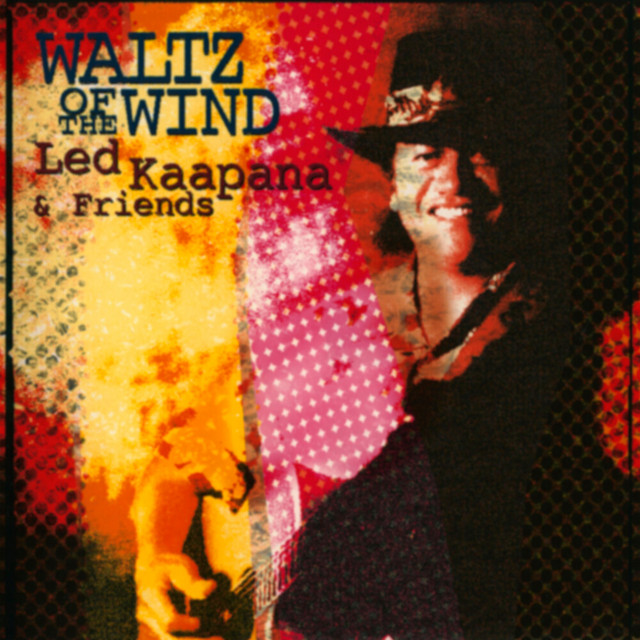
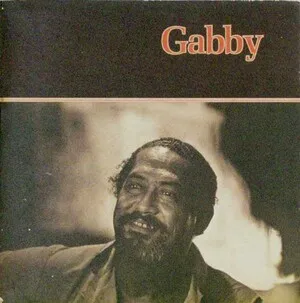
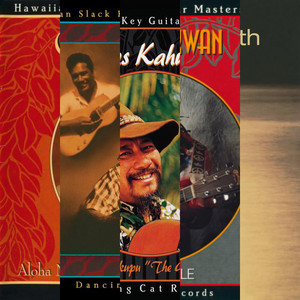
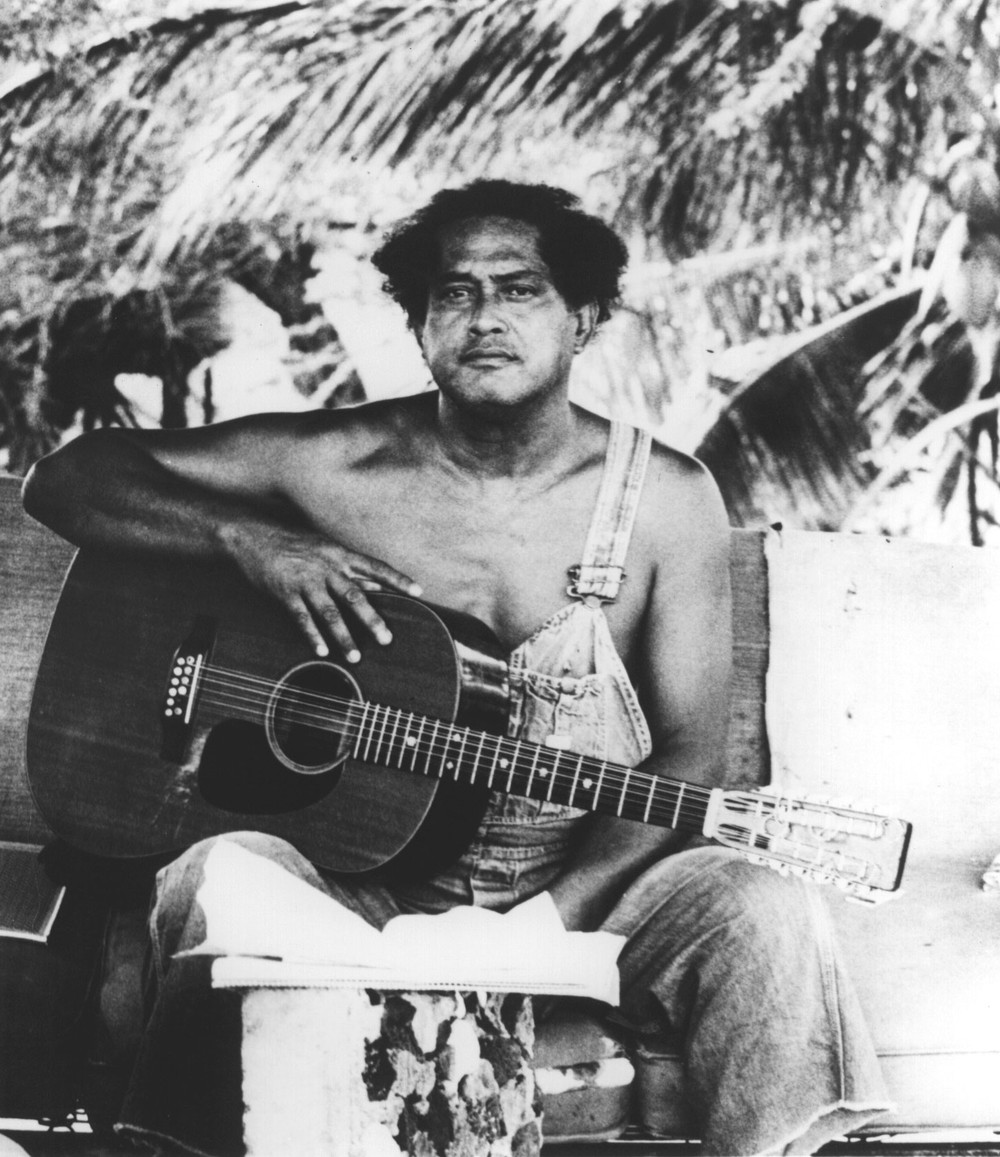
From the 1960s, artists such as Gabby Pahinui, Sonny Chillingworth, Leonard Kwan, and Raymond Kane brought slack-key to stages and records, crystallizing its repertoire and techniques. Their work aligned with a broader Hawaiian cultural resurgence, elevating kī hō'alu from household style to a celebrated concert art. The Pahinui family, the Beamer family, and later Ledward Kaapana and Cyril Pahinui helped define contemporary standards.

Global recognition and diversification (1990s–present)

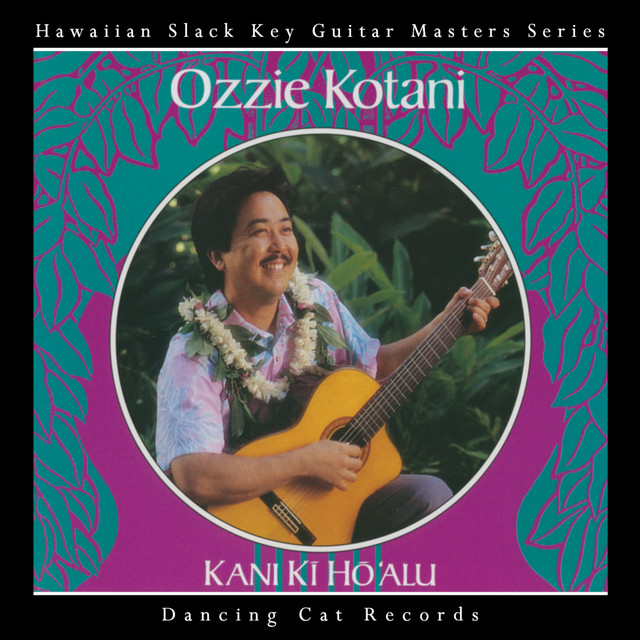
Festival circuits, instructional books, and recordings by Ozzie Kotani, Keola Beamer, Jeff Peterson, and others spread slack-key worldwide. Players integrated jazz voicings, classical nuances, and new harmonies while retaining essential hallmarks: open tunings, alternating bass, and lyrical treble lines. Today, kī hō'alu thrives in solo concerts, hula accompaniment, film/new age crossovers, and educational programs in Hawaiʻi and beyond.

How to make a track in this genre

Instruments and setup
•   Use a steel‑string acoustic guitar with a warm, articulate tone. •   Favor open tunings ("slacked" strings). Common: Taro Patch (Open G, D G D G B D), Open D (D A D F# A D), C Wahine (C G D G B E), and Drop C variants.
Technique and texture
•   Thumb maintains alternating bass on the lowest strings (often strings 6–4) to imply I–V motion. •   Index/middle/ring pluck treble strings for melody, counter‑melody, and arpeggios. •   Employ campanella effects (letting open strings ring), natural/artificial harmonics, hammer‑ons, pull‑offs, and slides for vocal‑like phrasing. •   Use tasteful damping/palm muting to shape swing and space between notes.
Harmony and form
•   Center harmony around major open‑chord tunings; move between I–IV–V with passing tones and secondary dominants. •   Integrate characteristic vamps/turnarounds as intros, interludes, and codas. •   Structure pieces as instrumental verses and variations, or as song forms supporting Hawaiian lyrics (mele) about place, nature, and love.
Rhythm and feel
•   Aim for a relaxed hula‑compatible groove (2/4 or 4/4; occasional 3/4). •   Let bass be steady but elastic; treble lines float above with rubato ornaments.
Compositional tips
•   Write singable melodies that outline chord tones and make use of ringing open strings. •   Exploit the tuning’s resonances: retune a single string to unlock new chord colors and drones. •   Keep dynamics moderate and spacious; allow silences and overtones to speak.
Recording/arrangement
•   Record with a condenser mic around the 12th fret and a body mic for warmth; minimal processing preserves nuance. •   Duos can pair slack-key with voice, ʻukulele, or gentle percussion; avoid overcrowding the bass register.

Top tracks

Locked
Share your favorite track to unlock other users’ top tracks
Influenced by
Has influenced
Challenges
Digger Battle
Let's see who can find the best track in this genre
© 2025 Melodigging
Melodding was created as a tribute to Every Noise at Once, which inspired us to help curious minds keep digging into music's ever-evolving genres.
Buy me a coffee for Melodigging