


Description
The second wave of Detroit techno was a community of producers and collectives that carried Detroit’s techno scene into the 1990s. It was not a separate musical style: its participants made Detroit techno while drawing on sounds associated with European rave music and other electronic genres.
Some of the music had a bleak, dystopian intensity, and Underground Resistance paired that tendency with a politically militant, anticorporate outlook. The scene also encompassed other approaches, including the jazz-oriented music of Galaxy 2 Galaxy. Afrofuturism was an important aesthetic among its participants.
Sources: Rate Your Music
History
A new generation
The second wave emerged in Detroit in the 1990s as a continuation of the city’s earlier techno scene. Its rise followed the increasing absence of first-wave pioneers and the closure of the influential Music Institute club. Carl Craig and Underground Resistance became important figures, while Plus 8 Records in neighboring Windsor, Canada, also affected the scene.
Underground Resistance and other directions
Founded by Mad Mike Banks and Jeff Mills, Underground Resistance combined a hard-edged electronic sound with a militant, anticorporate ethos. The collective’s uncompromising stance was partly a reaction to techno’s growing popularity. Robert Hood, DJ Rolando, Suburban Knight and Drexciya were among the Detroit producers associated with it.
By 1992, Mills and Hood had left Underground Resistance to pursue solo work. Not all participants favored the most relentless hardcore tendencies associated with European rave: Galaxy 2 Galaxy, which included Underground Resistance members, pursued what it called “hi-tech jazz.”
Beyond the decade
As techno became a global phenomenon, Detroit became less central to its international development. Nevertheless, the city retained a committed community of techno producers in subsequent decades.
Choose a direction
Work within Detroit techno rather than treating the second wave as a fixed formula. You could emphasize the bleak, dystopian side associated with some of its producers, or explore a more jazz-oriented direction in the spirit of Galaxy 2 Galaxy. Afrofuturist imagery or ideas can help shape the atmosphere.
Build the track
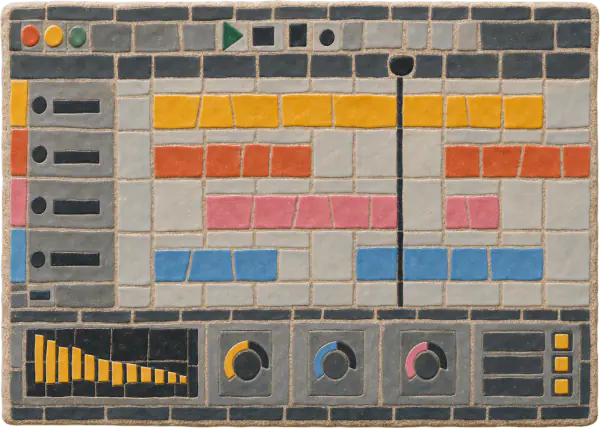
As a practical approach to techno, you could program a repeating electronic drum groove, add a synthesized bass part and develop the arrangement through changes in layers and texture. For a harder-edged result, experiment with abrasive electronic timbres and insistent rhythmic patterns; for a jazz-oriented approach, try more fluid melodic or harmonic phrases against the programmed rhythm. Develop contrasts between these elements rather than assuming every track from the scene sounded alike.



Influenced by


