Description
Saltarello is an Italian dance and dance-music tradition associated with a lively, leaping step. It was commonly played in a fast triple meter, though the earliest surviving pieces bearing the name use different meters. In historical dance usage, the name could refer to a step and a musical rhythm as well as to an entire dance.
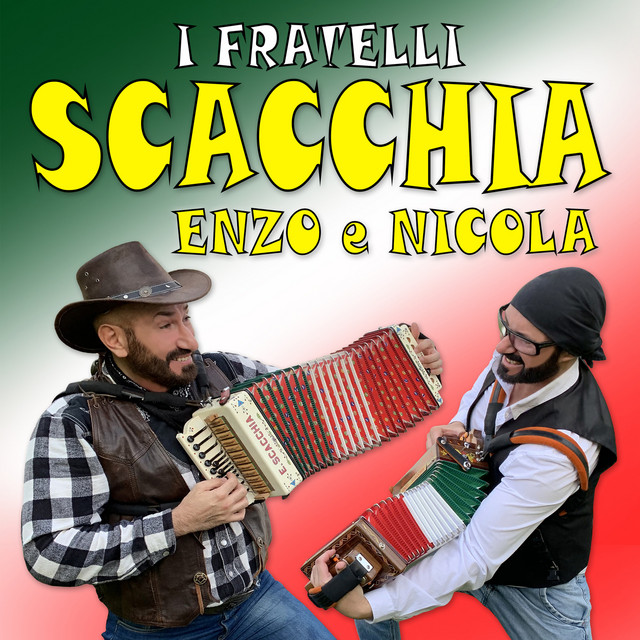
In its folk forms, saltarello is often played on zampogna bagpipe or organetto, a diatonic button accordion, with tamburello or hand-drum accompaniment. Its dance character and buoyant motion also inspired concert music.
History
Medieval and Renaissance dance
Saltarello originated as a Tuscan court dance. Its earliest mention is in the Tuscan manuscript Add MS 29987, dated to the late fourteenth or early fifteenth century. The four saltarelli in the manuscript resemble the estampie in form, but their relationship to later saltarelli is unclear.
In the fourteenth century, the term also came to designate a dance step and a fast triple rhythm used in choreographed dances. Italian manuals of the fifteenth century describe complete dances improvised using that step and rhythm. Antonio Cornazzano addressed the saltarello in a dance treatise of 1465.
Folk and concert traditions
Saltarello became a folk-dance tradition in Lazio, including at Roman Carnival festivities. It remains popular in southern-central Italian regions including Abruzzo, Molise, Lazio and Marche; in Abruzzo and Molise the name takes the feminine form Saltarella.
Composers also used the dance in concert works. After witnessing the Roman Carnival in 1831, Felix Mendelssohn incorporated it into the finale of his Italian Symphony. Tielman Susato included a saltarello in his 1551 collection Het derde musikboexken: Danserye.
Establish the dance rhythm
Start with a brisk triple-meter pulse, a common historical saltarello characteristic. Shape the rhythm to suggest the dance’s double step and hop: keep the beat clear enough for movement while giving the upbeat a light, springing emphasis. You could improvise short melodic phrases over the pulse, reflecting the improvised dances described in historical manuals.
Choose a sound and develop the tune
For a folk-oriented setting, try a diatonic button accordion or a bagpipe-like lead with hand-drum accompaniment. Let the lead carry a memorable dance melody while the drum reinforces its motion. You could repeat and vary small phrases to give dancers a steady point of reference, adding melodic variation without obscuring the pulse.
For a concert setting, adapt the dance rhythm to the instruments available while retaining its lively, leaping character. Fast triple meter is a useful starting point, rather than a rule for every historical piece called a saltarello.