Your digging level

For this genre
0/8
🏆
Sign in, then listen to this genre to level up

Description

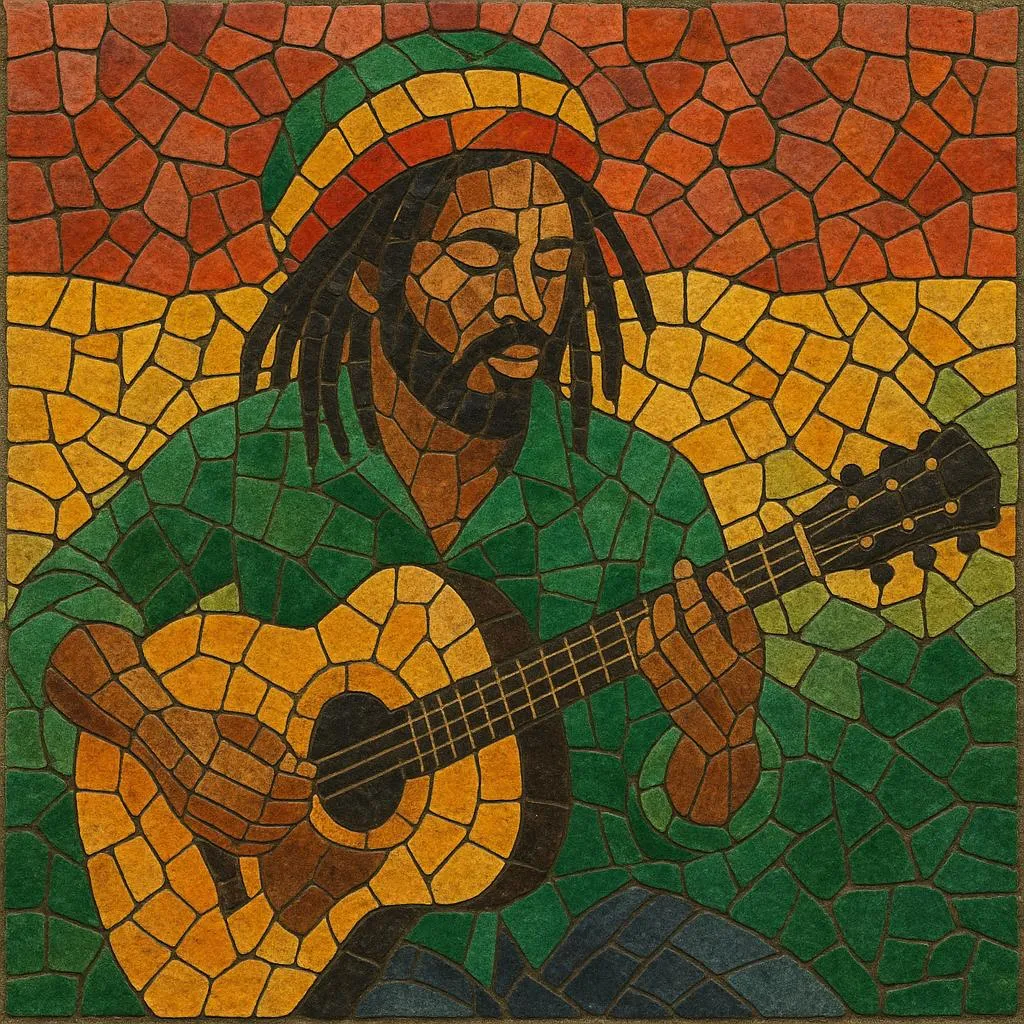
Reggae cover is the practice—and a recognizable niche market—of reinterpreting well-known songs (often pop, rock, R&B, soul, or film themes) in a reggae idiom. Performers keep the original melody and song form but translate the groove into reggae drum patterns, a syncopated bass lead, and skanking off‑beat guitar/keys.

The approach ranges from faithful roots or rocksteady treatments to glossy lovers rock ballads, dubwise studio experiments, and contemporary reggae‑pop productions. Because it marries familiar melodies with the feel‑good sway of reggae, the style thrives on radio, playlists, beach bars, and live cover circuits—and has been a key gateway for mainstream audiences into Jamaican rhythms.


Sources: Spotify, Wikipedia, Discogs, RYM, MB, user feedback and other online sources

History

Origins in Jamaica (1960s)

From the ska and rocksteady eras onward, Jamaican singers and studio bands routinely cut local versions of American R&B and soul hits. As reggae coalesced in the late 1960s, the practice persisted: well‑known melodies were recast over one‑drop and rockers rhythms, with bass and drums leading the arrangement. Sound‑system culture, fast studio turnarounds, and the popularity of familiar tunes made covers a dependable way to engage dancers and radio.

UK Crossover and Lovers Rock (1970s–1980s)

Large Caribbean communities in the UK nurtured a wave of reggae covers on independent labels and in the nascent lovers rock scene. Sweet, romantic vocals and polished production suited reinterpretations of pop and soul standards, many of which charted and brought reggae aesthetics to mainstream listeners. This period cemented the commercial viability of the reggae cover as a pop strategy.

Album‑Length Tributes and Globalization (2000s–present)

The 2000s saw full reggae tribute albums to canonical rock/pop records, alongside steady demand for reggae takes on chart hits in film, advertising, and streaming playlists. Digital tools and global studio networks made it easier for producers from Europe, the Americas, Africa, and Japan to craft reggae renditions, while dub techniques (spring reverb, tape delays, versioning) continued to shape b‑sides and remixes.

A Perennial Gateway

Across decades, reggae covers have acted as entry points for new listeners: the hook is familiar, the groove is new. The niche remains active in beach and resort circuits, wedding bands, festival stages, and online cover ecosystems, helping keep classic reggae feels (one‑drop, rockers, steppers) in everyday musical circulation.

How to make a track in this genre

Groove and Tempo
•   Start around 74–86 BPM (or feel 148–172 BPM in double‑time). Choose a classic reggae feel: one‑drop (snare on beat 3, kick often aligned), rockers (stronger kick presence), or steppers (four‑on‑the‑floor kick) depending on the song’s energy. •   Keep the backbeat light and springy, using swung 16ths as taste dictates. Ghost notes on snare and rim‑clicks add movement.
Rhythm Section and Harmony
•   Bass leads: write a melodic, syncopated bass line that locks with the kick and outlines I–IV–V or common pop progressions (I–V–vi–IV, ii–V–I). Use approach tones and octave jumps to keep it singing. •   Guitar/keys on the skank: place short, staccato up‑strokes (or piano/organ chops) on the off‑beats (the “and” of each beat). A bubble organ (syncopated 16ths) thickens the groove. •   Harmony is typically diatonic with added 7ths/9ths and occasional secondary dominants. Reharmonize sparingly so the melody remains recognizable, but consider substituting a IVmaj7 for warmth or a V7#9 for bite.
Arrangement and Vocals
•   Preserve the original song’s melody and form (verse/chorus/bridge) but simplify riffs into motifs that suit reggae phrasing. •   Add horn lines (trumpet/tenor sax/trombone) for call‑and‑response hooks, and use backing vocals for “oohs/ahhs” or gospel‑style pads. •   Space is crucial: let drums and bass breathe. Drop instruments at phrase turns to feature vocals or create a dubby breakdown.
Sound Design and Production
•   Employ spring reverb and tape‑style delay (dotted‑8th or triplet repeats) on skanks, horns, and selected vocal phrases. High‑pass delays to avoid low‑end clutter. •   Double the rhythm guitar for width; compress bass moderately, leaving transient punch. Consider a true "version" or dub mix on the b‑side with creative mutes and FX rides.
Song Selection Tips
•   Pick tunes with strong, singable melodies and clear harmonic movement. Mid‑tempo pop/rock ballads, soul standards, and anthemic choruses adapt especially well. •   Keep the lyric intent intact; reggae’s relaxed pocket can make even intense messages feel warm—use dynamics and arrangement to retain emotional impact.

Top tracks

Locked
Share your favorite track to unlock other users’ top tracks

Upcoming concerts

in this genre
Influenced by
Has influenced

Download our mobile app

Get the Melodigging app and start digging for new genres on the go
© 2026 Melodigging
Melodding was created as a tribute to Every Noise at Once, which inspired us to help curious minds keep digging into music's ever-evolving genres.
Buy me a coffee for Melodigging