Your digging level
Description
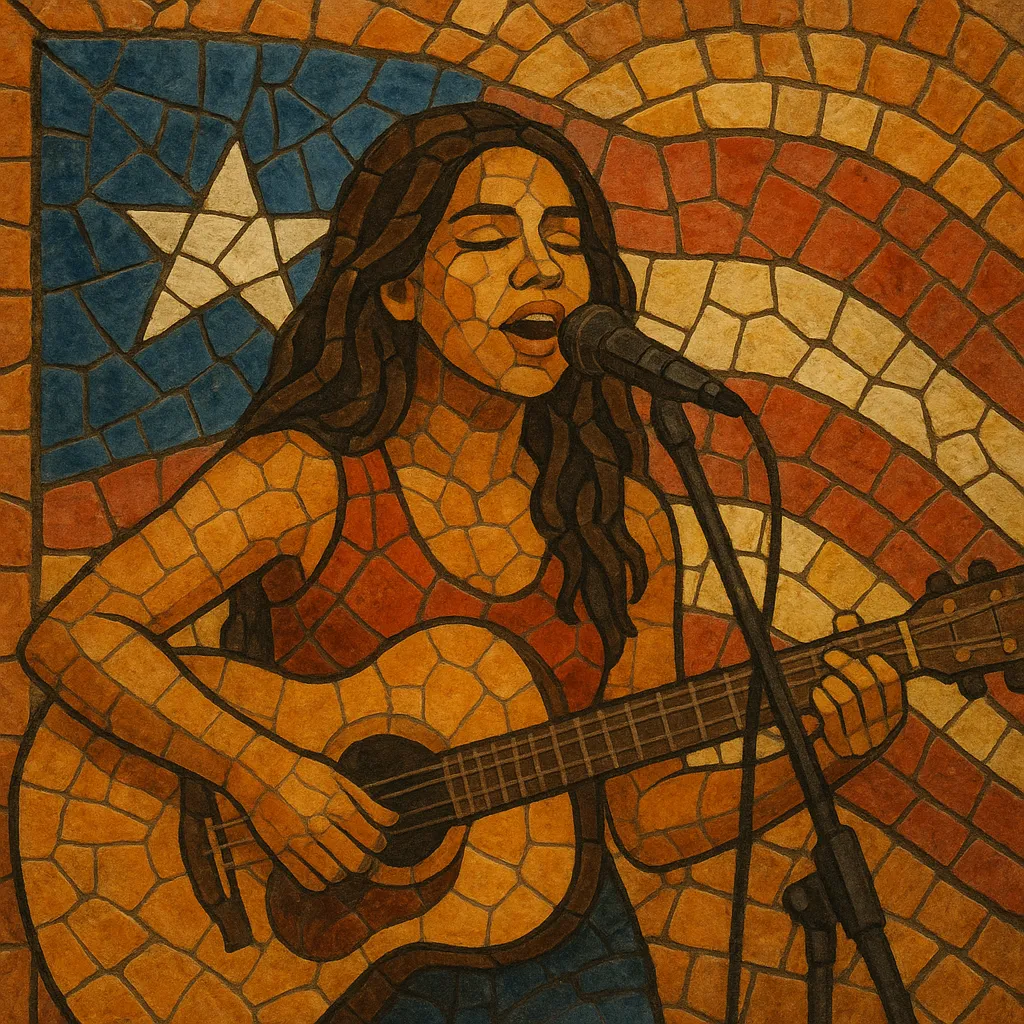
Puerto Rican pop is mainstream popular music made by Puerto Rican artists, primarily in Spanish (often with touches of Spanglish), that blends Anglo‑American pop songwriting with the island’s Caribbean musical DNA. It balances glossy, radio‑friendly production with emotive vocal delivery, catchy hooks, and romantic narratives.
From its early "nueva ola" waves and ballads to synth‑pop in the 1980s and the global crossovers of the 1990s–2000s, Puerto Rican pop has consistently drawn on bolero, salsa, and later urbano/reggaetón accents. Contemporary hits frequently fuse 808s and dembow‑influenced grooves with acoustic guitars, synth pads, and choral backing, making it equally at home on dance floors and adult‑contemporary playlists.
History
Puerto Rican pop took shape during the 1960s as part of the island’s nueva ola, when local artists adapted U.S. and Latin American pop idioms for Spanish‑language radio and television. Ballads and pop‑rock coexisted with deep roots in bolero and salsa, creating a melodic, romantic style that felt both cosmopolitan and distinctly Boricua.
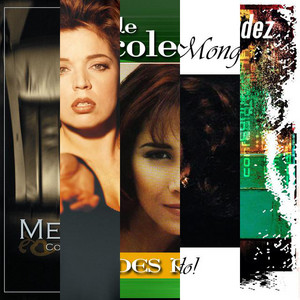
The late 1970s and 1980s brought professionalized production and teen‑idol phenomena. Menudo (formed in 1977) exported a high‑energy, choreographed boy‑band model across the Spanish‑speaking world. Parallel to this, powerhouse vocalists such as Ednita Nazario and Yolandita Monge defined a dramatic, ballad‑driven pop, while artists like Chayanne carried sleek synth‑pop and dance‑pop aesthetics into the mainstream.
In the 1990s, Puerto Rican pop became a global force. Ricky Martin’s crossover—culminating in worldwide hits by the end of the decade—helped position Spanish‑language pop on international charts. Meanwhile, Luis Fonsi emerged with romantic pop ballads that showcased polished songwriting and vocal virtuosity.
As reggaetón and broader urbano styles grew—also centered in Puerto Rico—pop singers increasingly collaborated with urban producers and MCs. This fusion sharpened song structure and hook‑writing in urbano, while giving pop a rhythmic, club‑ready backbone. Luis Fonsi and Daddy Yankee’s “Despacito” (2017) epitomized the pop‑urbano synergy, setting streaming records and expanding the genre’s global footprint.
Contemporary Puerto Rican pop spans tender acoustic ballads, synth‑washed R&B‑pop, and dance‑forward tracks that borrow from dembow, tropical house, and electro‑pop. Artists like Pedro Capó, Kany García, Tommy Torres, and Rauw Alejandro illustrate the spectrum—from songwriter‑led intimacy to futuristic, dance‑leaning productions—while maintaining the genre’s core strengths: memorable melodies, romantic storytelling, and refined, vocal‑centric production.