Your digging level
Description
The Pansy Craze was a period of heightened visibility for LGBTQ+ and drag performers in major U.S. cities, spanning roughly from the late 1920s to the mid‑1930s.
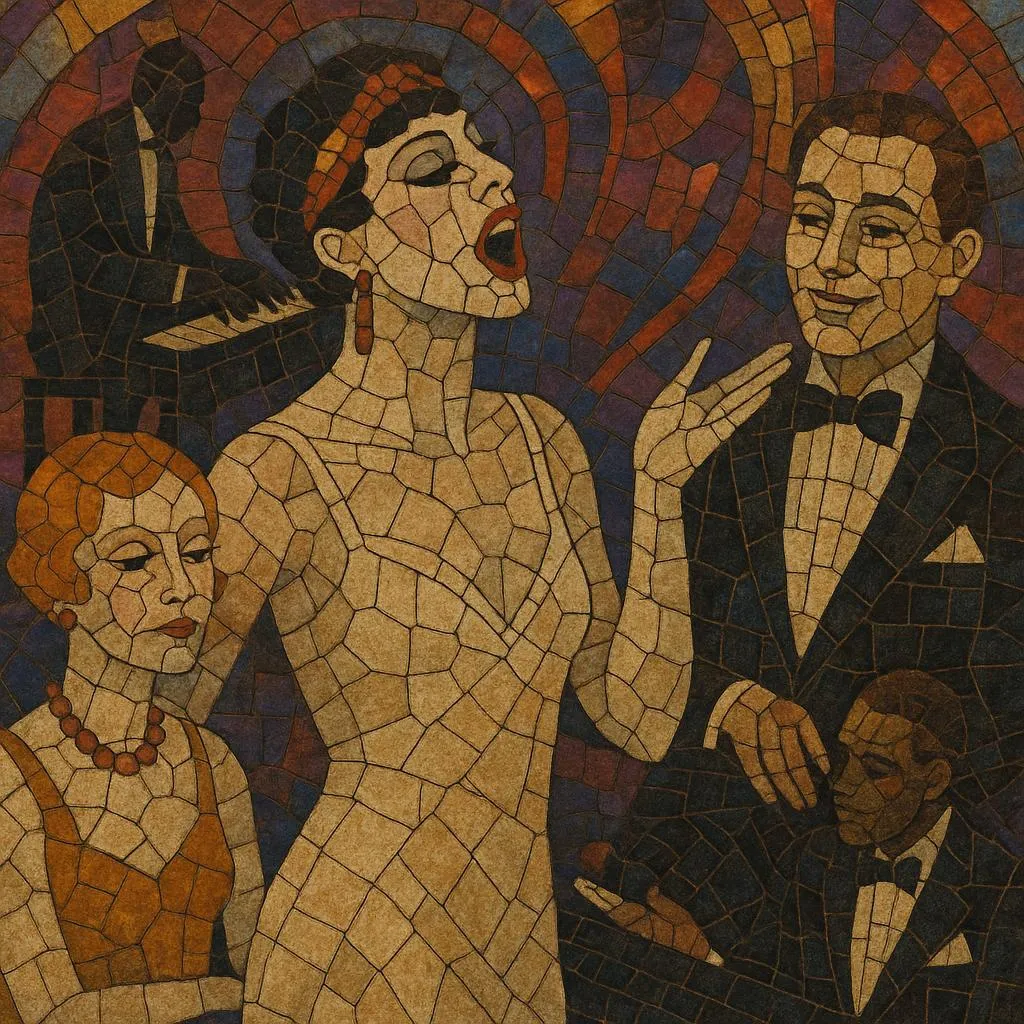
Musically and theatrically, it sat at the crossroads of speakeasy jazz, urban blues, vaudeville, cabaret, and show‑tune patter. Performers delivered witty double‑entendre lyrics, gender‑bending personas, and camp humor accompanied by piano, small jazz combos, and danceable foxtrots or blues. While not a single codified musical style, the Pansy Craze defined a nightlife sound and stagecraft that normalized queer performance aesthetics in popular entertainment.
History
In the wake of Prohibition, U.S. speakeasies and cabarets sought sensational attractions. Urban vaudeville and cabaret already had traditions of female impersonation and camp humor; figures from earlier decades (e.g., Julian Eltinge, Francis Renault) primed audiences. By the late 1920s, New York, Los Angeles, and San Francisco clubs began showcasing openly queer and drag acts—what the press dubbed the “Pansy Craze.”
At venues such as New York’s Club Abbey and Club Intime, emcees and headliners like Jean Malin, Karyl Norman, and Rae Bourbon mixed jazz/blues repertoires with risqué patter and gender play. In Harlem, Gladys Bentley led tuxedoed, call‑and‑response blues shows. Nightlife impresarios (e.g., Texas Guinan) booked “pansy” nights that drew both queer patrons and curious straight audiences. The musical language leaned on Tin Pan Alley forms, show‑tune wit, and danceable jazz rhythms, wrapped in camp delivery.
As the Great Depression deepened and morality campaigns intensified, police crackdowns and tightening cabaret laws curtailed queer visibility. The end of Prohibition (1933) shifted nightlife economics, and censorship (including the Motion Picture Production Code) chilled mainstream platforms. Many pansy‑era performers moved into less visible circuits or recast their acts.
Though brief, the Pansy Craze left a deep imprint on American entertainment: it normalized queer stage presence, honed a camp comic‑song tradition, and modeled gender‑bending star personae. Its aesthetics echo in postwar cabaret, Broadway humor, and later waves of queer performance—from 1970s glam’s androgyny to punk‑adjacent queercore and contemporary LGBTQ+ pop cultures.