Your digging level

For this genre
0/8
🏆
Sign in, then listen to this genre to level up

Description

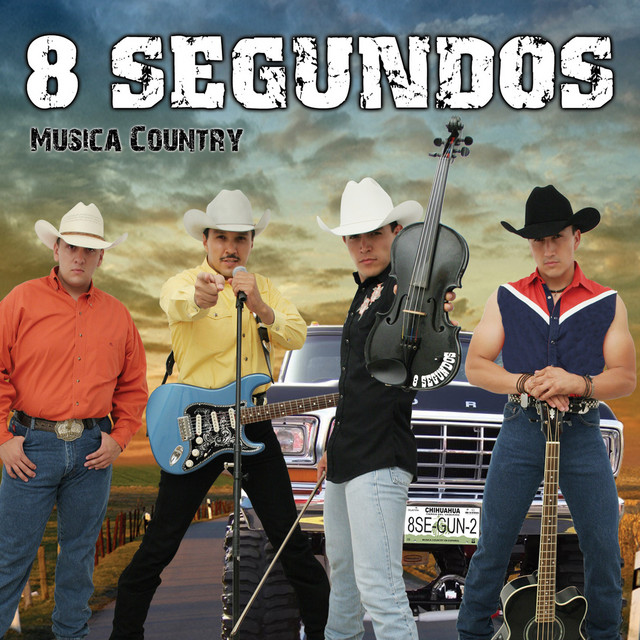
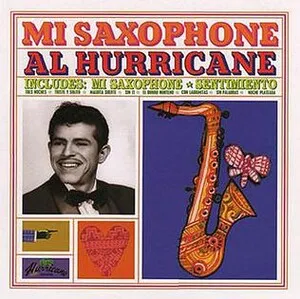
New Mexico music (música nuevomexicana) is a regional folk‑popular genre from the U.S. state of New Mexico.

It blends centuries‑old Hispanic and Pueblo musical traditions with Western swing, country, rock ’n’ roll, norteño/conjunto, ranchera, cumbia, polka, and waltz dance forms. The result is a bilingual (Spanish/English) dance and song tradition strongly associated with Spanish‑speaking Nuevomexicanos.

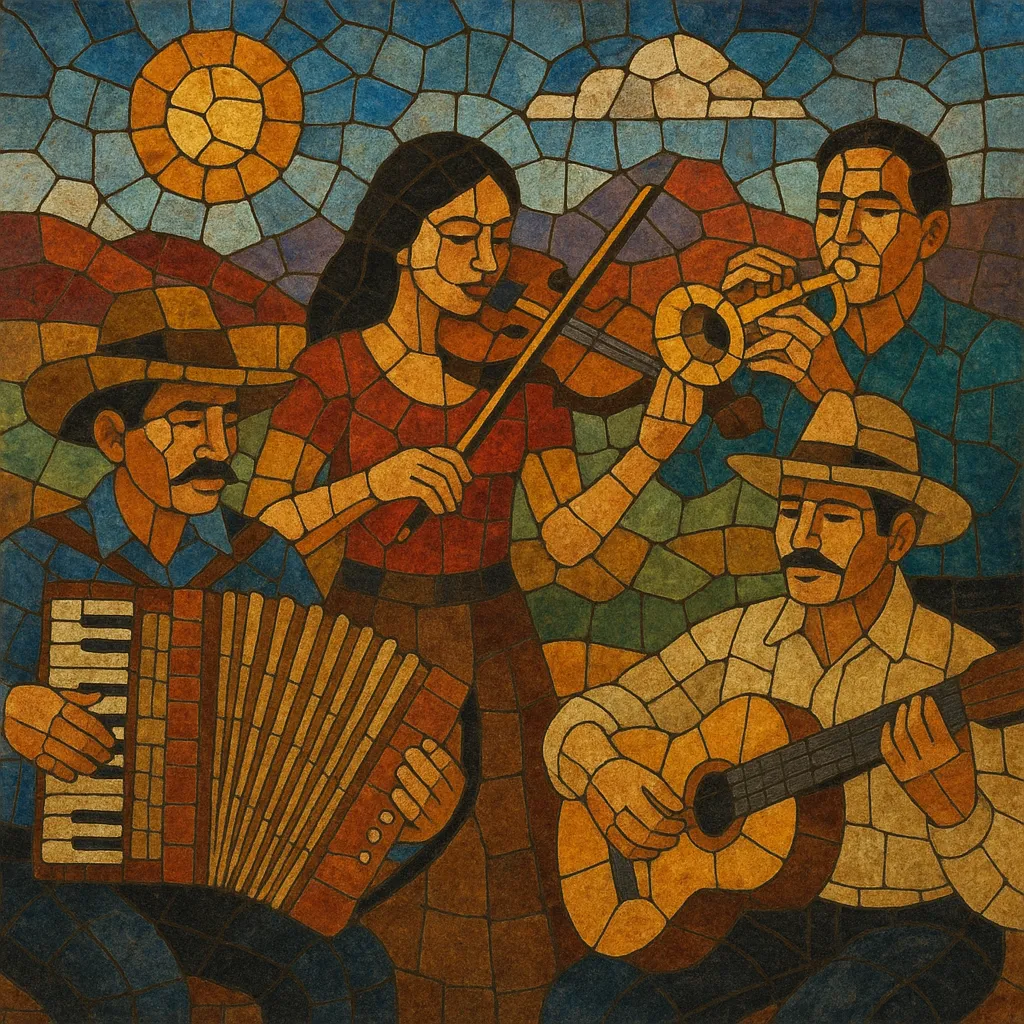
Typical ensembles combine accordion or keyboards with electric and acoustic guitars, bass, drum set, and often saxophone or brass; mariachi strings and trumpets appear in cross‑over settings. Songs range from lively polkas and cumbias to romantic boleros and ranchera ballads, characterized by singable melodies, close vocal harmonies, and lyrics about love, family, faith, fiestas, and New Mexican places and identity.

Sources: Spotify, Wikipedia, Discogs, RYM, MB, user feedback and other online sources

History

Deep roots (13th–19th centuries)
•   The foundations of New Mexico music trace to Pueblo musical practices dating back to the 1200s and to the Hispanic song traditions brought during the 16th–19th centuries in Santa Fe de Nuevo México. •   Spanish romances, alabados (devotional hymns), and dance forms intersected with Indigenous musics; 19th‑century polkas and waltzes (via European and Mexican routes) joined local corridos and rancheras, creating a distinctive frontier repertoire.
Territorial and early American era (late 1800s–1940s)
•   Fiddle‑guitar string bands and community ensembles played valses, polkas, rancheras, and corridos at fiestas, halls, and family gatherings. •   Contact with country & Western swing and early norteño/conjunto along the border further diversified instrumentation and repertoire.
Modern genre crystallization (1950s–1970s)
•   With postwar radio, dances, and independent labels, a recognizable “New Mexico music” sound emerged. •   Artists electrified traditional rancheras and polkas, added rock ’n’ roll backbeats and country twang, and recorded bilingual singles for local airplay—establishing the core dance styles (polka in 2/4, waltz in 3/4, ranchera, cumbia) that still define the genre.
Expansion and stylistic dialogue (1980s–2000s)
•   The scene professionalized via regional labels, weekend baile circuits, and dedicated radio programming in Albuquerque and beyond. •   Tejano/norteño instrumentation (accordion/keyboard leads, sax, tight rhythm sections) became common, while ballads and boleros emphasized smooth crooning and close harmonies.
Today
•   Contemporary artists keep the canon (rancheras, polkas, cumbias, boleros) alive while fusing in pop, country, and light rock aesthetics. •   Community festivals, church fiestas, and organizations continue to sustain the genre as a living emblem of Nuevomexicano identity and the long coexistence of Pueblo and Hispanic cultures.

How to make a track in this genre

Core forms and feels
•   Write for the dance floor: ranchera/polka (2/4, brisk), waltz/vals (3/4), and cumbia (4/4 with a laid‑back, syncopated groove). •   Tempos: polka 120–150 BPM; cumbia 90–110 BPM; bolero/ballad 70–90 BPM.
Instrumentation and arrangement
•   Rhythm section: drum set (polka two‑step or cumbia groove), electric bass locking with kick. •   Harmony/melody: acoustic rhythm guitar (strummed), electric lead guitar with clean country twang or light overdrive; accordion or keyboard carries hooks; optional sax/trumpet/violin for color or mariachi crossovers. •   Structure: short intro riff (accordion/keyboard or guitar), verse–chorus with an instrumental break/solo, and a tag/call‑out ending suited for dancers.
Harmony and melody
•   Favor diatonic I–IV–V progressions with secondary dominants; modulations by whole‑ or half‑step for lift. •   Melodies are lyrical and singable, often balanced 4‑ or 8‑bar phrases; incorporate ranchera ornaments and passing tones.
Vocals and lyrics
•   Bilingual delivery (Spanish/English) or Spanglish, with clear storytelling. •   Topics: romance, family, home towns, faith, fiestas, highways and landscapes of New Mexico; affectionate place‑name shout‑outs resonate with audiences. •   Use duet or close‑harmony choruses and occasional call‑and‑response coros.
Groove details
•   Polka: snare on beats 2 and 4, steady two‑step kick; guitar emphasizes off‑beats; accordion/keyboard plays catchy oom‑pah hooks. •   Cumbia: syncopated percussion (shaker/güiro), ghost‑noted kick, and a loping bass; keyboard or accordion provides montuno‑like patterns. •   Waltz/bolero: brushy drums, arpeggiated guitars, warm pads/strings.
Production tips
•   Keep a live, room‑forward mix with spring/plate reverbs; feature lead vocal and melodic accordion/keyboard. •   Preserve dance energy—tight rhythm section, concise solos, and strong hooks.

Main artists

Top tracks

Locked
Share your favorite track to unlock other users’ top tracks

Upcoming concerts

in this genre
Influenced by
Has influenced

Download our mobile app

Get the Melodigging app and start digging for new genres on the go
© 2026 Melodigging
Melodding was created as a tribute to Every Noise at Once, which inspired us to help curious minds keep digging into music's ever-evolving genres.
Buy me a coffee for Melodigging