Your digging level
Description
Nephop is the Nepali-language hip hop movement, blending global rap aesthetics with local language, slang, and folk sensibilities from Nepal.
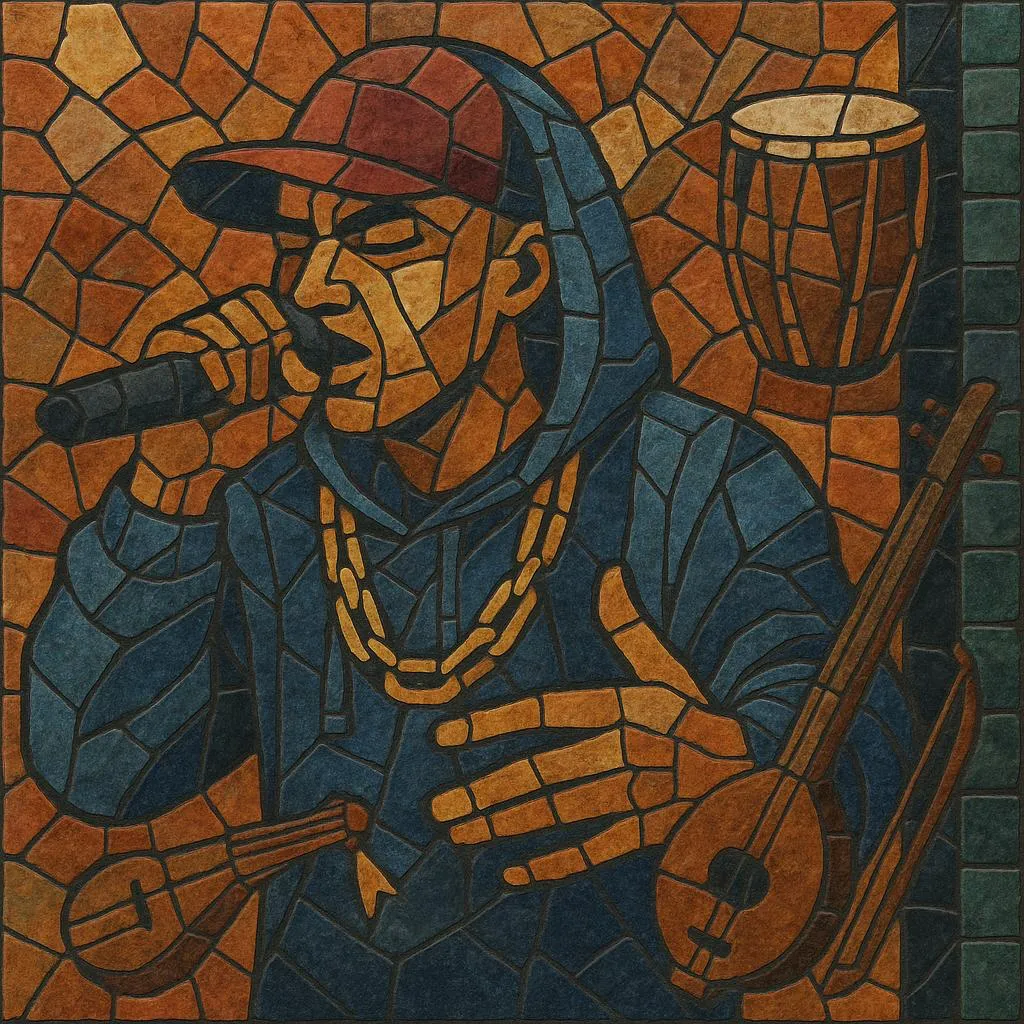
It typically features boom‑bap and trap/drill-influenced beats, code-switching between Nepali and English, and sharp lyricism that ranges from social commentary to battle-ready bravado. Producers often color the sound with timbres of indigenous instruments (such as madal, sarangi, or flutes) and melodic turns reminiscent of Adhunik Geet and dohori call‑and‑response.
Beyond recordings, Nephop is a culture of ciphers, street battles, and online video platforms that helped transform underground rappers into national figures and created a distinctly Nepali rap identity.


History
Nepal’s first wave of rap emerged in the late 1990s as hip hop culture reached Kathmandu and other urban centers through radio, tapes, satellite TV, and returning diaspora. Early crews and duos began experimenting with rapping in Nepali and localized slang, laying the foundations for a recognizably Nepali voice in hip hop.
Through the late 2000s, home studios and YouTube lowered barriers to entry. A pivotal moment arrived with grassroots battle circuits and the rise of online platforms that showcased emcees to nationwide audiences. This period solidified the term “Nephop” in public discourse and made rap battles, posse cuts, and scene documentaries part of the culture.
By the mid‑2010s, Nephop diversified: classic boom‑bap purists coexisted with trap/drill stylists and melodic hook‑driven singles that crossed into mainstream pop radio and streaming playlists. Battle rappers became charting artists; social themes (migration, unemployment, political corruption) and national events (including post‑earthquake recovery) appeared in lyrics. Diaspora artists in the UK, US, and the Gulf states expanded the scene’s footprint and sonic palette.
In the 2020s, TikTok, short‑form video, and streaming analytics accelerated discovery, while festival stages, TV talent shows, and brand partnerships normalized rap as a major youth culture. Producers increasingly fuse Nepali folk motifs (dohori cadences, Adhunik Geet harmonies) and modern sound design (808s, half‑time hats, distorted 808 glides), giving Nephop a signature blend of locality and global hip hop trends.