Your digging level

For this genre
0/8
🏆
Sign in, then listen to this genre to level up

Description

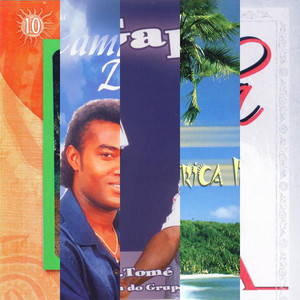
Música santomense is the umbrella term for the popular music of São Tomé and Príncipe. It blends indigenous island rhythms such as ússua and socopé with the Lusophone Atlantic sound-world of zouk, coladeira, semba, and (more recently) kizomba and afro‑house.

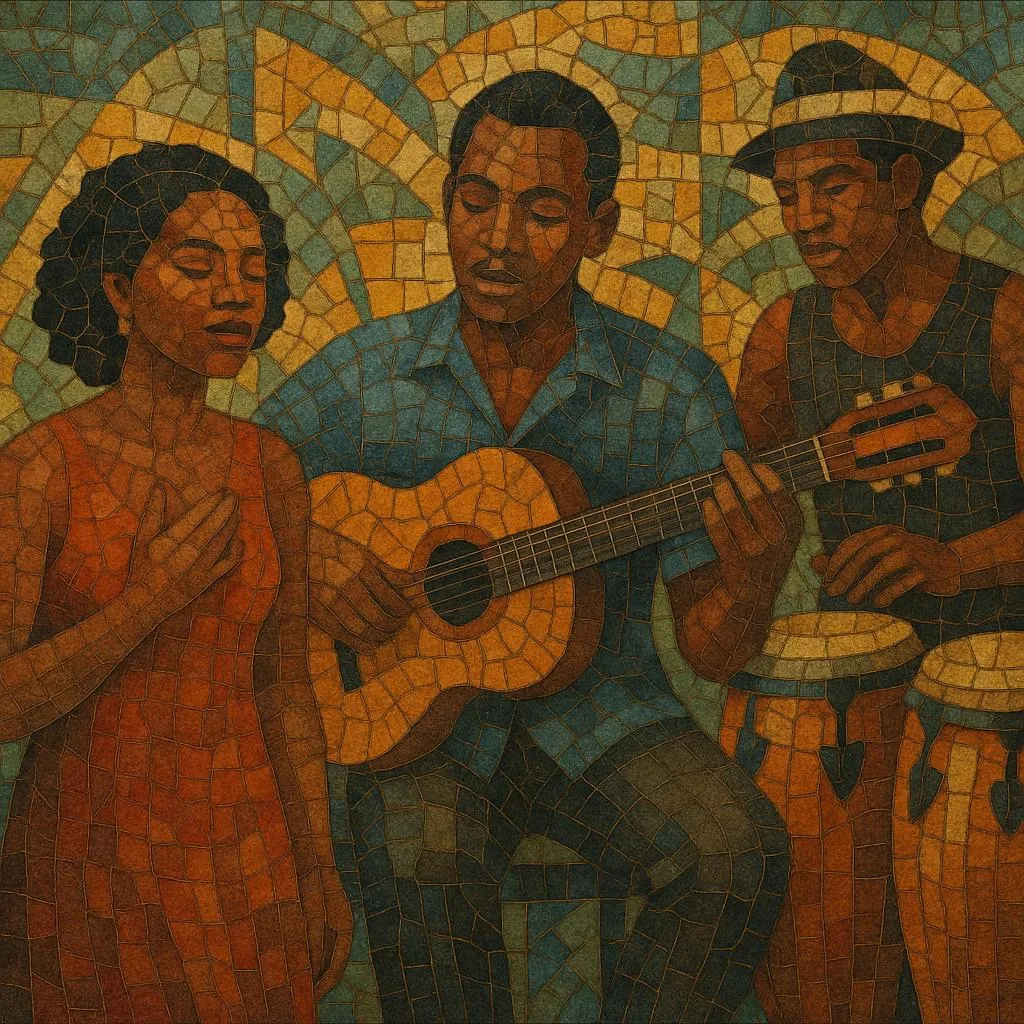
Songs are commonly sung in Portuguese and Forro (São-Tomense Creole), with lilting melodies, warm guitar textures, syncopated percussion, and danceable mid‑tempo grooves. Traditional percussion, congas, and shakers interlock with bass and guitar patterns that often outline tresillo or 3‑3‑2 feels, while modern productions add drum machines, synth pads, and polished vocal stacks.

The result is a romantic, gently propulsive island pop that can move between nostalgic balladry and festive, floor‑friendly rhythms, maintaining a distinctly Santomean identity even as it converses with wider Lusophone and Afro‑Caribbean currents.


Sources: Spotify, Wikipedia, Discogs, RYM, MB, user feedback and other online sources

History

Early roots (pre‑1970s)

São Tomé and Príncipe’s musical foundations lie in Afro‑Atlantic exchanges dating back to the colonial era. Community dances and sung theatre (such as tchiloli) nurtured local rhythmic languages like ússua and socopé, performed with hand percussion, guitars, and call‑and‑response vocals. Radio and maritime routes circulated Congolese rumba/soukous, Cape Verdean morna/coladeira, Brazilian and Portuguese forms, and later Antillean zouk, seeding a cosmopolitan island taste.

Nationhood and band era (1970s–1980s)

Following independence in 1975, amplified dance bands crystalized a recognizably Santomean pop. Groups developed guitar‑led arrangements over island percussion, emphasizing cyclical, syncopated grooves suitable for social dances. Studio infrastructure and national radio helped forge a modern identity while keeping Creole language and local rhythms at the core.

Zouk, semba, and kizomba currents (1980s–2000s)

The explosion of French‑Antillean zouk, Angolan semba/kizomba, and Cape Verdean coladeira in Lusophone Africa strongly colored música santomense. Artists folded in slick drum machines, lush keys, and close‑miked vocals, arriving at a suave, mid‑tempo sound with pan‑Lusophone appeal. Diasporic networks in Portugal (and to a lesser extent France) amplified distribution, touring, and collaboration.

Digital era and stylistic breadth (2010s–present)

Affordable production tools, YouTube, and streaming opened international channels. Contemporary releases range from tender, acoustic Creole ballads to club‑ready fusions touching afro‑house and afrobeats aesthetics—yet they retain Santomean lyrical themes, gentle swing, and melodic warmth. The genre today stands as both a national emblem and a fluent participant in the wider Lusophone pop ecosystem.

How to make a track in this genre

Rhythm and groove
•   Start with an interlocking, danceable mid‑tempo (≈ 90–110 BPM for zouk/kizomba‑tinged pieces; up to ≈ 115–125 BPM for coladeira/socopé feels). •   Build percussion around tresillo/3‑3‑2 or off‑beat patterns: congas (quinto/tumbao‑like figures), shaker/ganza, and rimshot or soft kick on downbeats. Let hand percussion converse with the drum kit or programmed drums for a gentle swing.
Harmony and melody
•   Favor diatonic, song‑centric progressions (I–V–vi–IV; ii–V–I; or I–IV–V). Major keys convey uplift; relative minors suit nostalgic ballads. •   Write singable, lyrical melodies with occasional melismas and call‑and‑response backing vocals. Use Creole (Forro) and/or Portuguese for authentic phrasing and prosody.
Instrumentation and texture
•   Guitars: clean, chorus‑kissed arpeggios or gentle upstroke skanks; occasional highlife‑like interlocking lines. •   Bass: warm, round tone outlining root–5th with passing approach notes; lock tightly to conga/hi‑hat subdivisions. •   Keys: soft electric piano, pads, and subtle bell/lead motifs to fill harmonic space without crowding vocals. •   Modern additions: tasteful drum‑machine layers, sub‑bass reinforcement, and light synth hooks that reference kizomba/zouk while retaining island subtlety.
Form and lyrics
•   Structure: intro – verse – pre‑chorus – chorus – verse – bridge – double chorus/outro. Keep an instrumental break or short guitar/keys solo for dancefloor lift. •   Themes: romance, saudade/nostalgia, daily island life, and community celebration. Let imagery evoke sea, rainforests, neighborhoods, and shared memory.
Production aesthetics
•   Prioritize warmth and intimacy: gentle compression, smooth high‑end, and stereo width from guitars/keys. Reverbs should be lush yet short enough to preserve rhythmic clarity. Backing vocals can be layered for the signature enveloping chorus sound.

Top tracks

Locked
Share your favorite track to unlock other users’ top tracks

Upcoming concerts

in this genre
Influenced by
Has influenced
No genres found

Download our mobile app

Get the Melodigging app and start digging for new genres on the go
© 2026 Melodigging
Melodding was created as a tribute to Every Noise at Once, which inspired us to help curious minds keep digging into music's ever-evolving genres.
Buy me a coffee for Melodigging