Your digging level
Description
Música morelense refers to the regional Mexican music made in and around the state of Morelos, Mexico. It blends long-standing central-Mexican brass-band and wind-ensemble traditions with popular regional styles such as banda, norteño, corrido, ranchera, cumbia, and sierreño.
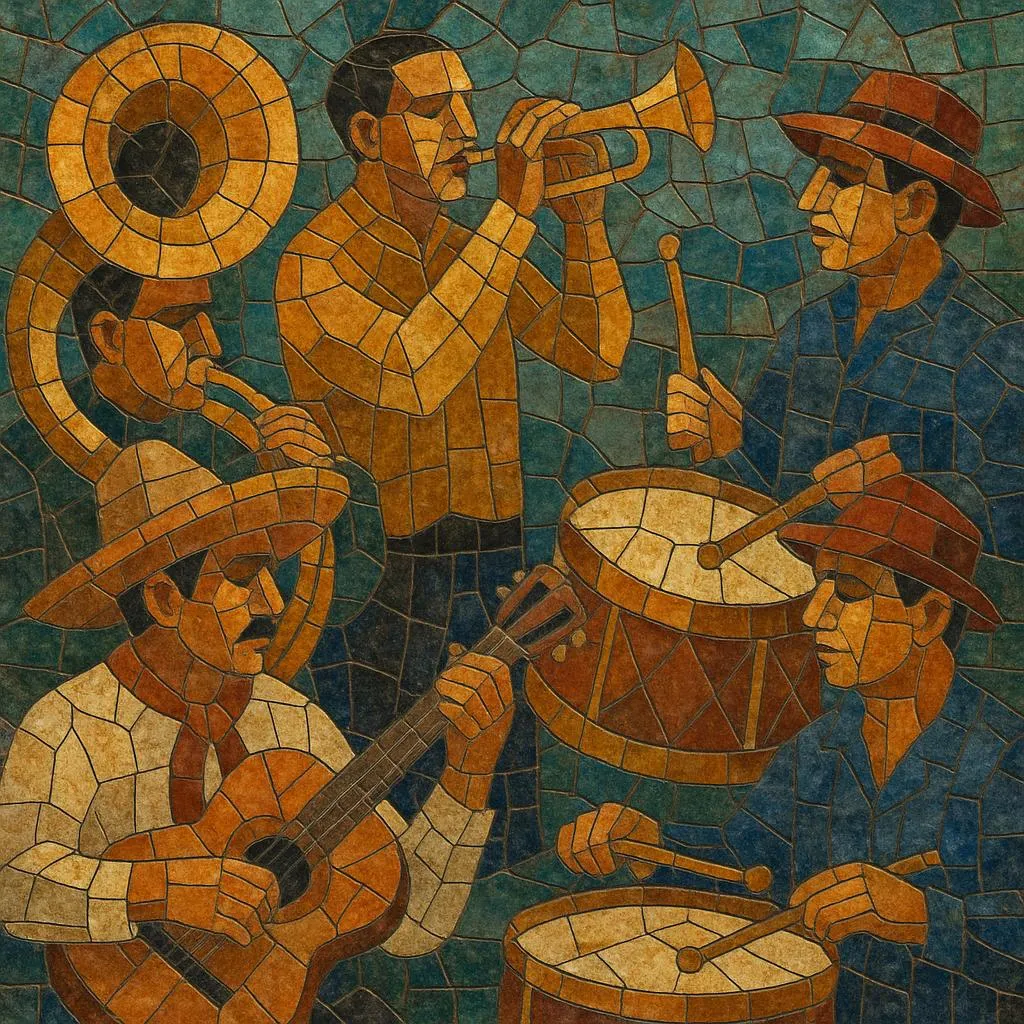
At street parties, town fiestas, ferias, and dance halls, Morelos ensembles commonly feature bright brass sections, snare-and-bass drum patterns, and tuba-driven bass lines, while vocal songs range from romantic rancheras and cumbias to narrative corridos. Although rooted in local community bands and ceremonial music, the modern scene also embraces amplified groups, studio production, and repertories circulating across central and southern Mexico.


History
Morelos has a deep wind-band (bandas de viento) tradition tied to civic and religious festivities, processions, and town dances. Local brass and reed ensembles adopted military-band instrumentation in the late 19th and early 20th centuries, performing marches, danzones, polkas, and salon pieces alongside indigenous and mestizo repertoires. These ensembles set a durable template for public music-making in the state.
As regional Mexican genres such as ranchera, corrido, norteño, and banda swept radio and dance floors across Mexico, Morelos bands incorporated those forms and rhythms. Migration and touring circuits through central Mexico helped standardize set lists (cumbias, rancheras, corridos) while keeping local performance practices—especially massed brass and percussion for open-air fiestas—at the core.
Cheaper recording technology and social media enabled town-based bands and small labels in Morelos to release singles, live albums, and videos. Ensembles range from full brass bandas to compact norteño/sierreño and cumbia outfits, often alternating between dance-driven sets and lyric-forward corridos. Today, música morelense is both a local identity marker and a contributor to the broader regional mexicano market in central and southern Mexico.