Your digging level

For this genre
0/8
🏆
Sign in, then listen to this genre to level up

Description

Musica menorquina refers to the contemporary music scene and living folk traditions of Menorca (Balearic Islands), performed largely in the Menorquí variety of Catalan. It blends singer‑songwriter and indie folk/pop aesthetics with island folk idioms such as the local jota and fandango, Mediterranean habanera colors, and the improvised glosa tradition.

You’ll encounter intimate acoustic songs about sea, wind, and island life, festive dance tunes linked to village celebrations, and choral/band traditions rooted in Menorca’s civic and sacred life. Stylistically it ranges from mellow, lyrics‑forward cançó d’autor to rootsy folk ensembles and municipal bands, with harmonic palettes that favor major and modal flavors and rhythms in 2/4, 3/4, and 6/8 that echo Iberian and Caribbean cross‑currents.


Sources: Spotify, Wikipedia, Discogs, RYM, MB, user feedback and other online sources

History

Roots and folk substrate

Menorca’s musical identity rests on Catalan‑language folk forms—local jotes and fandangos, work and festivity songs, processional pieces, and glosa (improvised verse). Through the 19th century, maritime exchange brought the habanera into island repertoires, joining Iberian dance meters in 2/4, 3/4, and 6/8. Civic ensembles (municipal bands and choirs) and church chapels in Maó and Ciutadella sustained written and oral traditions.

20th‑century modern currents

In the mid–late 20th century, Catalan cançó (the singer‑songwriter movement known as Nova Cançó) encouraged locally rooted, poetically minded songcraft. Menorcan performers fused folk timbres (guitars, accordion, violin) with contemporary harmony and arrangement, while choral societies and bandas de música continued the island’s concert life and festival functions.

1990s–2010s: Scene consolidation and visibility

From the 1990s onward, Menorca’s artists contributed to the broader Catalan‑language pop/rock and indie ecosystem while foregrounding Menorquí dialect and island themes. Independent labels, local festivals, and cultural institutions fostered a small but distinct scene where intimate cançó, folk‑pop, and chamber‑folk aesthetics coexisted with choral and band traditions.

Today

Current musica menorquina spans delicate indie folk/pop, contemporary cançó d’autor, and folk revivals that revisit jotes, fandangos, and habaneras. Many artists emphasize place‑based storytelling (sea‑faring, Sant Joan festivities, seasonal labor) and maintain ties to community ensembles (choirs, bandas) that remain central to Menorca’s musical life.

How to make a track in this genre

Core palette
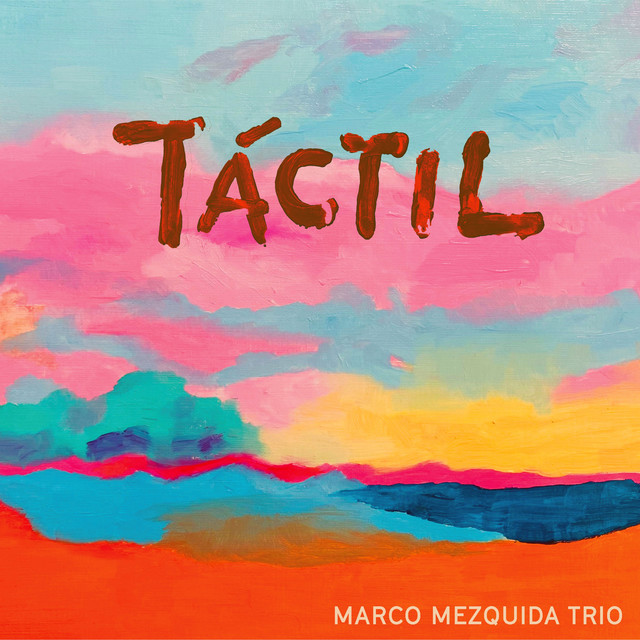
•   Language and themes: Write lyrics in Menorquí (Catalan of Menorca) or Catalan, with imagery tied to island life: sea, wind, stone walls, harbors, seasonal work, and village festivities (e.g., Sant Joan). •   Instrumentation: Start with voice and acoustic guitar; add violin, accordion, mandolin/laúd, hand percussion (pandereta), and occasional clarinet/flute. For fuller textures, draw on small folk ensembles or even brass/woodwind colors inspired by local bandas.
Rhythm and groove
•   Alternate between gentle cançó d’autor ballads (free or slow 4/4) and dance‑derived meters: jote/fandango pulses in 3/4 or 6/8; habanera sway in 2/4 with a dotted, off‑beat feel. •   For festive pieces, keep tempos lively and accent the hemiolas common in Iberian dances; for ballads, favor rubato intros and cadential vocal ornaments.
Harmony and melody
•   Favor bright major keys and modal shadings (Mixolydian/Dorian) that evoke Mediterranean folk. Harmonic language can stay simple (I–IV–V with added 2/6) or expand into jazz‑tinged extensions for modern indie/folk color. •   Vocal lines are lyrical and narrative; incorporate call‑and‑response or improvised glosa verses in refrains to nod at local tradition.
Arrangement and production
•   Keep arrangements acoustic‑forward; layer nylon‑string guitars, bowed strings, and accordion for warmth. Minimal percussion (brushes, cajón, palmas) preserves intimacy. •   If aiming at indie‑pop crossovers, use subtle ambient pads, double‑tracked vocals, and gentle room reverbs; avoid over‑compression to retain an organic, seaside air.
Form and text setting
•   Use verse–refrain or strophic forms typical of folk song. Let the refrain carry a memorable, communal line that can be sung in gatherings. •   Enunciate clearly, honoring Menorquí prosody; rhyme schemes can be flexible, but internal rhymes and assonance flatter glosa‑style delivery.

Top tracks

Locked
Share your favorite track to unlock other users’ top tracks

Upcoming concerts

in this genre
Influenced by
Has influenced
No genres found

Download our mobile app

Get the Melodigging app and start digging for new genres on the go
© 2026 Melodigging
Melodding was created as a tribute to Every Noise at Once, which inspired us to help curious minds keep digging into music's ever-evolving genres.
Buy me a coffee for Melodigging