Your digging level

For this genre
0/8
🏆
Sign in, then listen to this genre to level up

Description

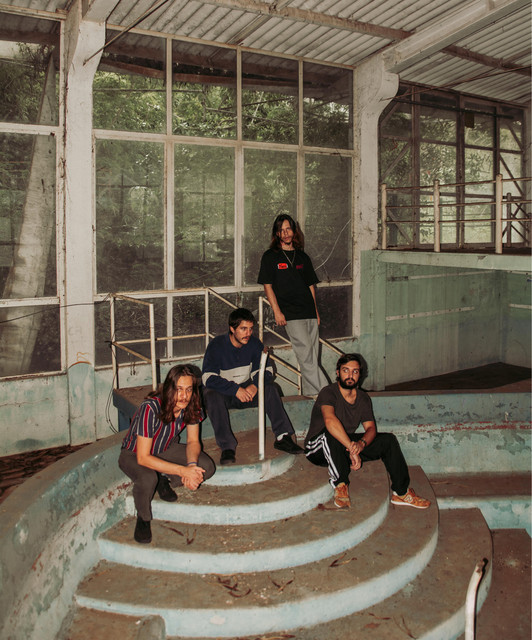
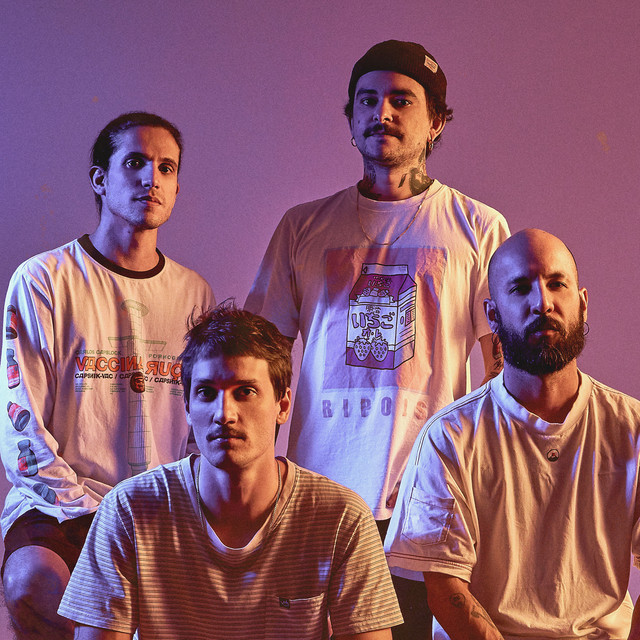
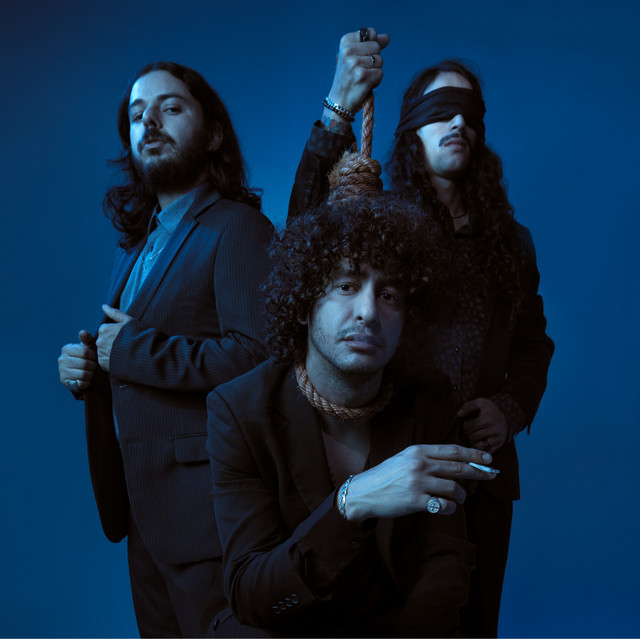
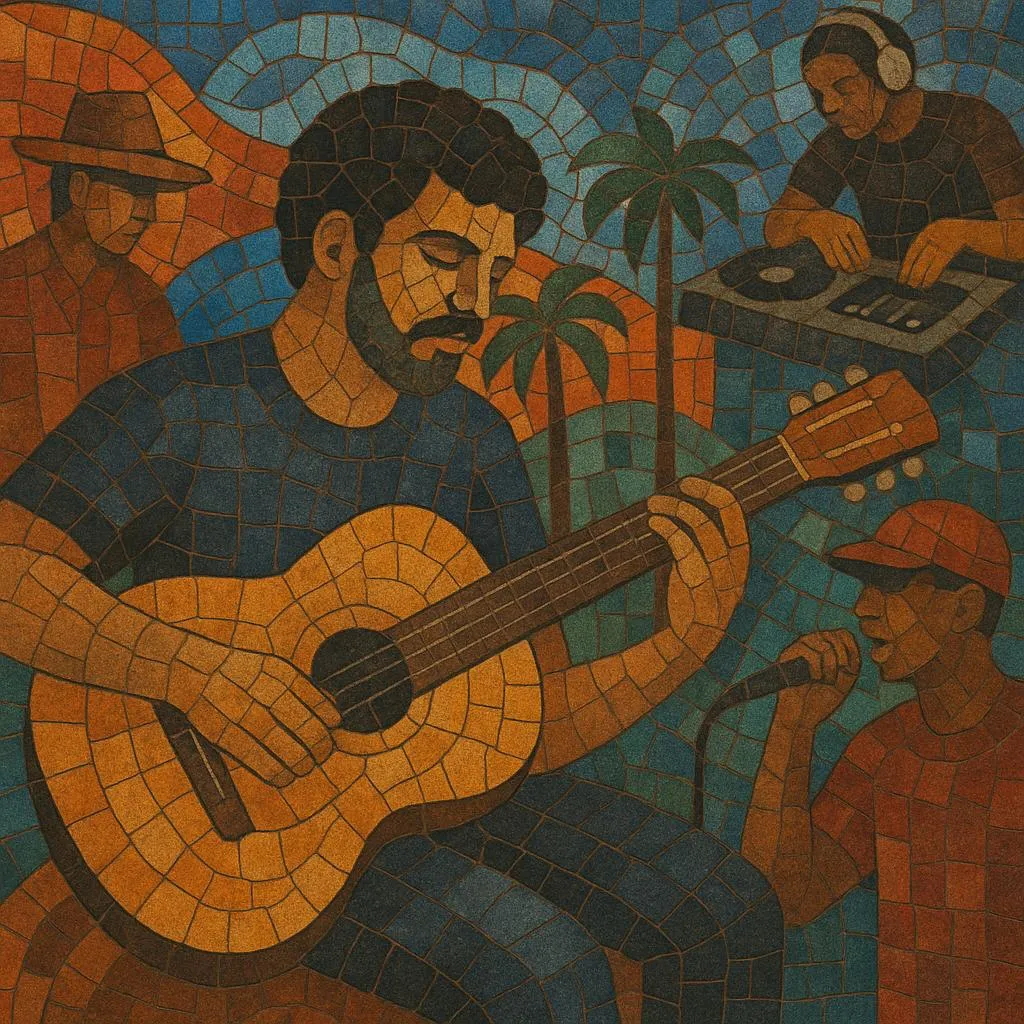
Música maringaense refers to the contemporary popular music scene centered in Maringá, a university city in the state of Paraná, Brazil. It is an umbrella term that captures the city’s mix of indie rock, MPB/singer‑songwriter work, bedroom pop, hip hop, electronic production, and the strong regional pull of sertanejo and sertanejo universitário.

The scene is characterized by a DIY ethic tied to student life, rehearsal spaces, home studios, and small venues. Artists frequently blend Brazilian rhythmic idioms with alternative rock harmony, lo‑fi textures, rap flows, and electronic beatmaking, creating a locally recognizable yet stylistically eclectic sound.


Sources: Spotify, Wikipedia, Discogs, RYM, MB, user feedback and other online sources

History

Early seeds (1990s–2000s)

Maringá’s role as a planned, rapidly growing university city fostered a supportive ecosystem for bands and singer‑songwriters. Student radio, campus events, and small bar circuits gave early visibility to rock and MPB acts. As affordable recording gear and file‑sharing platforms spread in the 2000s, local artists increasingly produced and released their own material.

Consolidation and diversification (2010s)

By the 2010s, música maringaense had diversified: indie rock coexisted with lo‑fi/bedroom pop, hip hop collectives, and electronic producers, while regional sertanejo and sertanejo universitário (strong throughout Paraná) continued to influence songwriting, timbre (acoustic guitars, close vocal duos), and live circuits. Festivals and showcases—most notably FEMUCIC (Festival de Música Cidade Canção)—offered stages for emerging artists and cross‑genre collaboration.

Present day (2020s–)

Streaming infrastructure and social media have made it easier for Maringá artists to reach national audiences without leaving the city. Collaboration across styles—MCs recording with indie bands, producers reworking MPB material, and rock groups incorporating baile‑friendly grooves—has become a hallmark. The scene retains its campus‑powered DIY core while engaging Brazil’s wider indie/rap/pop networks.

How to make a track in this genre

Core aesthetics
•   Embrace hybridity: combine indie/alternative guitar writing with Brazilian rhythmic feels (samba‑derived grooves, baião‑like syncopations) or sertanejo‑style melodic sensibility. •   Keep it DIY: home‑recorded vocals, slightly saturated guitars, and in‑the‑box production are common. Don’t fear lo‑fi edges if they serve the song.
Instrumentation
•   Indie/rock setup: electric and acoustic guitars, bass, drums (often with tight, danceable hi‑hat patterns), optional synths. •   MPB/sertanejo colors: steel‑string acoustic guitar, nylon guitar (violão), occasional accordion and close vocal harmonies. •   Hip hop/electronic: 808/909‑influenced kits, sampled percussion, side‑chained pads, and sub‑bass; BPM ranges commonly between 85–100 for rap or 110–125 for indie‑dance crossovers.
Harmony & melody
•   Indie/rock: diatonic progressions with borrowed chords (bVII, iv in major), modal flavors (Dorian/Mixolydian) for groove‑oriented tracks. •   MPB influence: extended chords (maj7, m7, 9, 11) and voice‑leading between upper tones; melodic phrasing that sits comfortably across chest and head voice. •   Sertanejo touch: clear, sing‑along hooks and parallel third/sixth harmonies.
Rhythm & groove
•   Blend straight rock backbeats with syncopated Brazilian accents. Use percussion layers (pandeiro/shaker samples, claps) to add regional swing. •   For rap, anchor the groove with swung hi‑hats or triplet figures; leave space for vocals.
Lyrics & themes
•   University/city life, relationships, introspection, and social commentary. Mix colloquial Brazilian Portuguese with regional references; occasional code‑switching (English words/phrases) appears in indie/electro contexts.
Production tips
•   Double‑track vocals for choruses; subtle plate or spring reverbs evoke indie/MPB warmth. •   Parallel compression on drums for punch; tasteful tape‑style saturation on the mix bus. •   For crossovers, render an acoustic demo first, then layer electronic elements, ensuring the groove supports the vocal line.
Live presentation
•   Small‑room setups favor tight arrangements and dynamic shifts. Prepare alternate sets: a full‑band rock format and a reduced acoustic/electronic set for bar or festival slots.

Top tracks

Locked
Share your favorite track to unlock other users’ top tracks

Upcoming concerts

in this genre
Influenced by
Has influenced
No genres found

Download our mobile app

Get the Melodigging app and start digging for new genres on the go
© 2026 Melodigging
Melodding was created as a tribute to Every Noise at Once, which inspired us to help curious minds keep digging into music's ever-evolving genres.
Buy me a coffee for Melodigging