Description
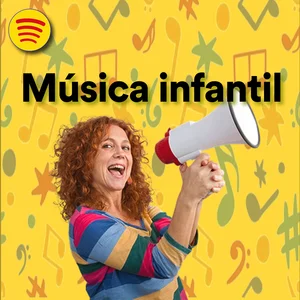
Bright, bouncy songs with sing-along melodies and playful group voices sit at the heart of música infantil català, a collection of Catalan-language children’s music. The name is used by Every Noise at Once and a Spotify playlist, but has scarcely been discussed in writing. The music is generally fast and cheerful, with steady dance-like rhythms and simple, repetitive melodies; some songs also mix spoken delivery with singing.
The arrangements range from acoustic, folk-like children’s songs to synthesizer-led pop. Flutes or whistles often carry high melodies above strummed guitars, bass and keyboards, while hand percussion or drum kits keep the pulse moving. Voices are usually prominent in clean recordings, sometimes with an intimate acoustic feel and sometimes against a bright, punchy band sound.
Song titles point to a child’s world of animals, food, seasons, dancing and learning. The playlist includes familiar songs such as “Cargol Treu Banya” and “La Lluna, La Pruna”, alongside songs by artists including Dàmaris Gelabert, El Pot Petit and La Tresca i la Verdesca. Many of its releases are from the 2000s and early 2010s.
Based on: Every Noise at Once, Spotify's genre tags and playlist
Melody and voice
Write for children’s music with a short, catchy melody and a simple, repeating major-key chord pattern. Keep the words clear and bring the voice to the front. Try a group singing in unison or harmony, and add a playful spoken passage if it suits the song.
Rhythm and arrangement
Build a fast, buoyant pulse with drums or hand percussion. Use strummed acoustic guitar and bass for a folk-like setting, or keyboards and digital drums for a brighter pop arrangement. A high flute or whistle line can answer the vocal melody.
A gentler variation
For a song closer to a lullaby, soften the accompaniment and let the melody carry the arrangement without the driving dance rhythm.