Your digging level

For this genre
0/8
🏆
Sign in, then listen to this genre to level up

Description

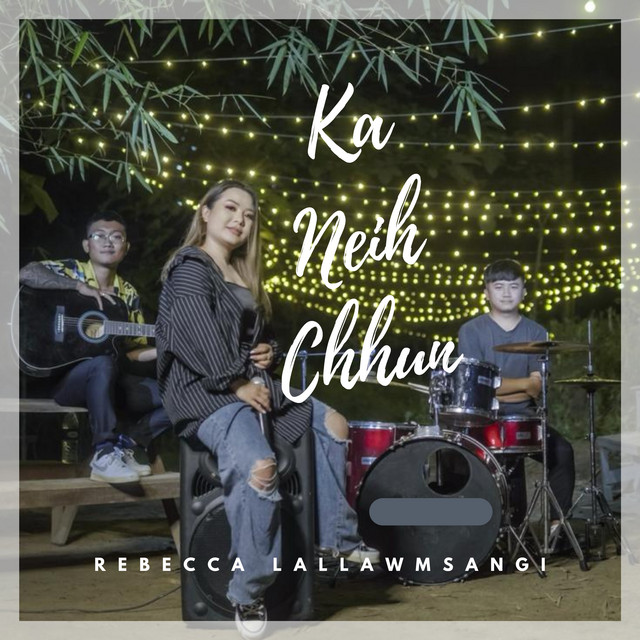
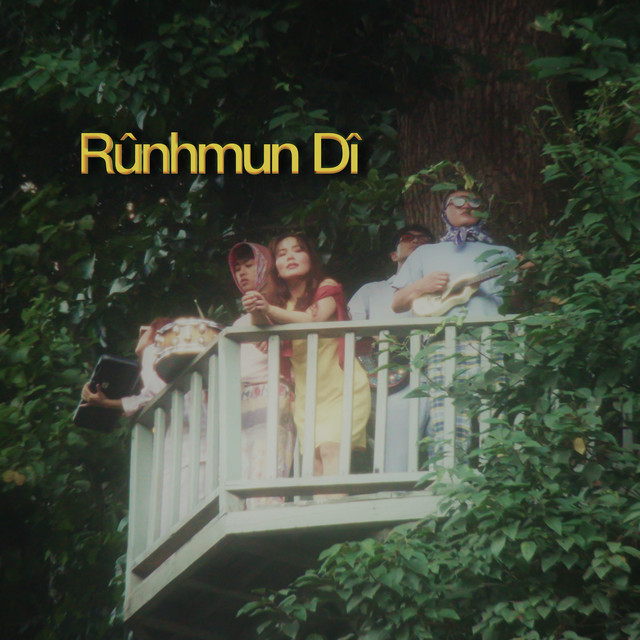
Mizo pop is contemporary popular music created primarily in the Mizo language by artists from the Indian state of Mizoram. It blends pan‑Indian and global pop idioms with local vocal practices rooted in church choral singing and guitar‑led household music.

Typical Mizo pop singles favor melodic hooks, clear lead vocals with close harmonies, and mid‑to‑up‑tempo backbeats. Arrangements often combine acoustic guitar (a six‑string “chhepchher,” long popular in Mizo society), light rock rhythm sections, and modern electronic production drawn from Indian and international pop.


Sources: Spotify, Wikipedia, Discogs, RYM, MB, user feedback and other online sources

History

Early roots (20th century)

Missionization and hymn singing entrenched part‑writing and communal choruses in Mizoram. By the early 1900s, guitars were widely adopted; a six‑string “chhepchher” became ubiquitous in homes and youth circles, laying a practical foundation for guitar‑centered popular songs.

Emergence of a local pop scene (1990s–2000s)

Through the 1990s, cassette/VCD culture and local stages in Aizawl fostered a distinct Mizo‑language pop market. In the 2000s, artists branded as pop singers began reaching regional fame across Northeast India, signaling a maturing scene and audience for polished, radio‑ready material.

Digital era and stylistic hybridization (2010s–present)

Streaming and social media broadened reach beyond the state, encouraging cross‑pollination with rock, indie, and hip‑hop. Indie bands from Aizawl found national spotlights via contests and festivals, while Mizo rappers and youth idols incorporated bilingual hooks and topical themes; child stars going viral further expanded pop’s audience. The result is a flexible Mizo pop ecosystem spanning ballads, EDM‑tinged productions, pop‑rock, and rap‑adjacent singles.

How to make a track in this genre

Songwriting and lyrics
•   Write in Mizo (with occasional English code‑switching) and center everyday themes: friendship, faith, city life in Aizawl, and romantic storytelling. •   Favor clear, singable choruses and verse–pre‑chorus–chorus forms; hook lines often repeat the title phrase.
Harmony and melody
•   Use diatonic major/minor keys; common pop progressions include I–V–vi–IV and vi–IV–I–V. •   Vocal arrangements benefit from close three‑part harmonies informed by church choirs; add call‑and‑response ad‑libs in final choruses.
Rhythm and groove
•   Mid‑tempo (85–110 BPM) ballads and 4/4 dance‑pop (110–128 BPM) dominate. Drum patterns mix programmed kicks/snares with live hi‑hats or tambourine for brightness.
Instrumentation and production
•   Core: lead vocal, backing harmonies, chhepchher (acoustic guitar), electric bass, light drums, and pads. •   For a modern sheen, layer soft synths, plucked keys, and subtle side‑chain compression; keep vocals forward and lightly tuned.
Performance and arrangement tips
•   Open with a short guitar or synth motif that foreshadows the chorus. •   Use a half‑time bridge or spoken/rap cameo to localize style without leaving pop territory. •   End with a lifted final chorus (key change up a semitone or added counter‑melody) to heighten emotion.

Top tracks

Locked
Share your favorite track to unlock other users’ top tracks

Upcoming concerts

in this genre

Download our mobile app

Get the Melodigging app and start digging for new genres on the go
© 2026 Melodigging
Melodding was created as a tribute to Every Noise at Once, which inspired us to help curious minds keep digging into music's ever-evolving genres.
Buy me a coffee for Melodigging