Your digging level
Description
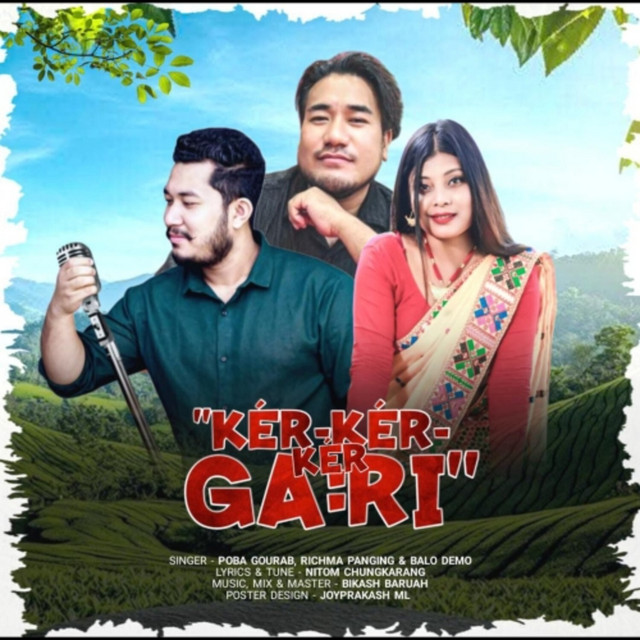
Mising pop is contemporary popular music performed primarily in the Mising (Miri) language by the Mising people of Assam and adjoining Arunachal Pradesh in India.
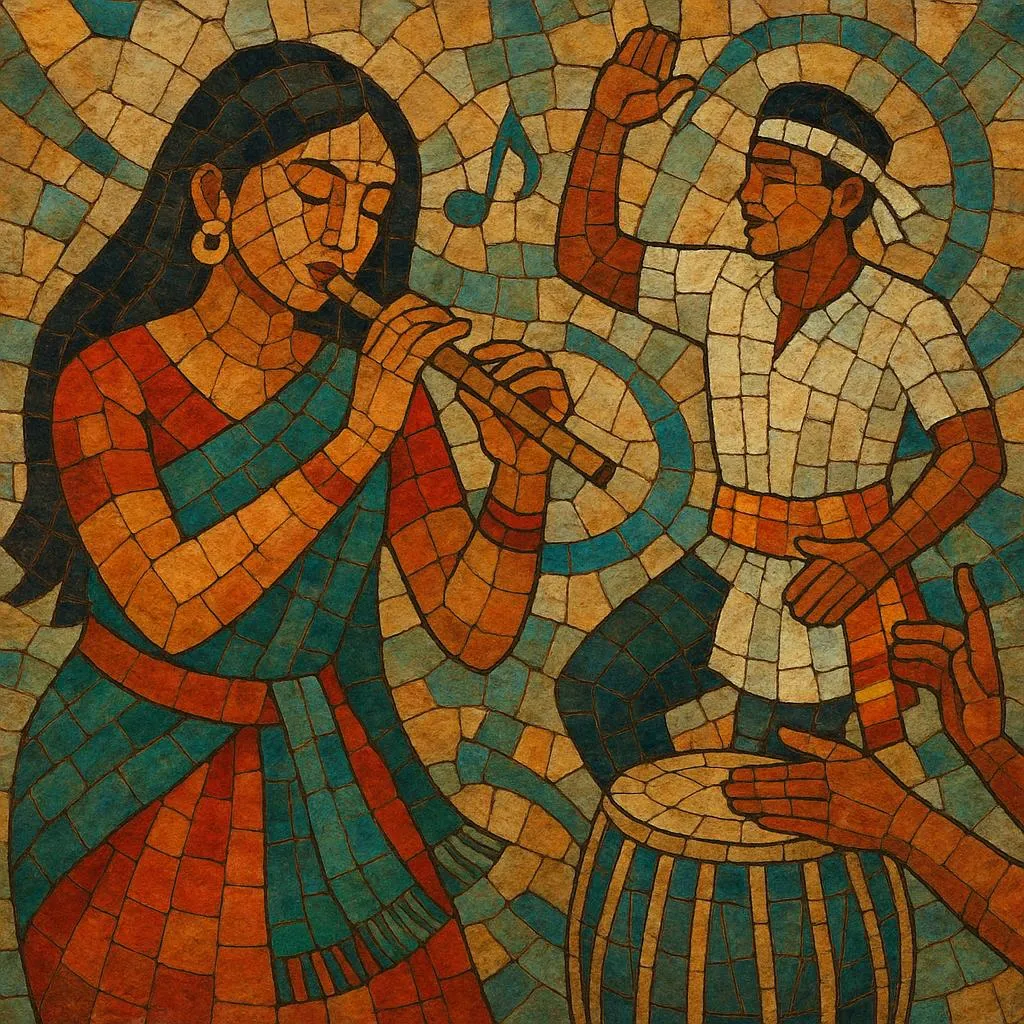
It blends local folk melodies and dance rhythms (notably those associated with Gumrag festival culture) with pan‑Indian pop, Bollywood songwriting sensibilities, and modern electronic production. Typical tracks feature catchy, call‑and‑response choruses, bright synths, programmed percussion layered with regional hand percussion, and bamboo‑flute or reed timbres that nod to indigenous sound worlds.
The scene is highly community‑driven and thrives on regional labels, YouTube channels, and social media, where singles and video songs circulate widely for weddings, festivals, and everyday listening.
History
The Mising (Miri) people have long maintained a rich oral and musical tradition tied to agricultural and seasonal rituals, with communal singing, call‑and‑response refrains, and percussion‑led dance music. In the late 20th century, cassette culture and regional radio began to carry Assamese and pan‑Indian pop into Mising areas, laying the groundwork for a vernacular pop idiom in the Mising language.
Affordable DAWs, keyboard workstations, and small project studios across Assam enabled a first wave of locally produced Mising‑language pop. The mid‑2010s mobile‑internet boom (and the rise of video platforms) accelerated the scene: singles accompanied by narrative music videos, choreography, and festival imagery quickly found audiences among youth at home and in the diaspora.
Current Mising pop draws on Bollywood and Indian pop hooks, but retains indigenous melodic contours and rhythmic feels—often at dance‑friendly tempi. Releases are typically single‑driven, promoted through community Facebook pages, short‑video apps, and YouTube channels. The genre now coexists with adjacent regional styles (Assamese pop, Bihu pop, and Northeast Indian indie/rap), and collaborations across those micro‑scenes are increasingly common.