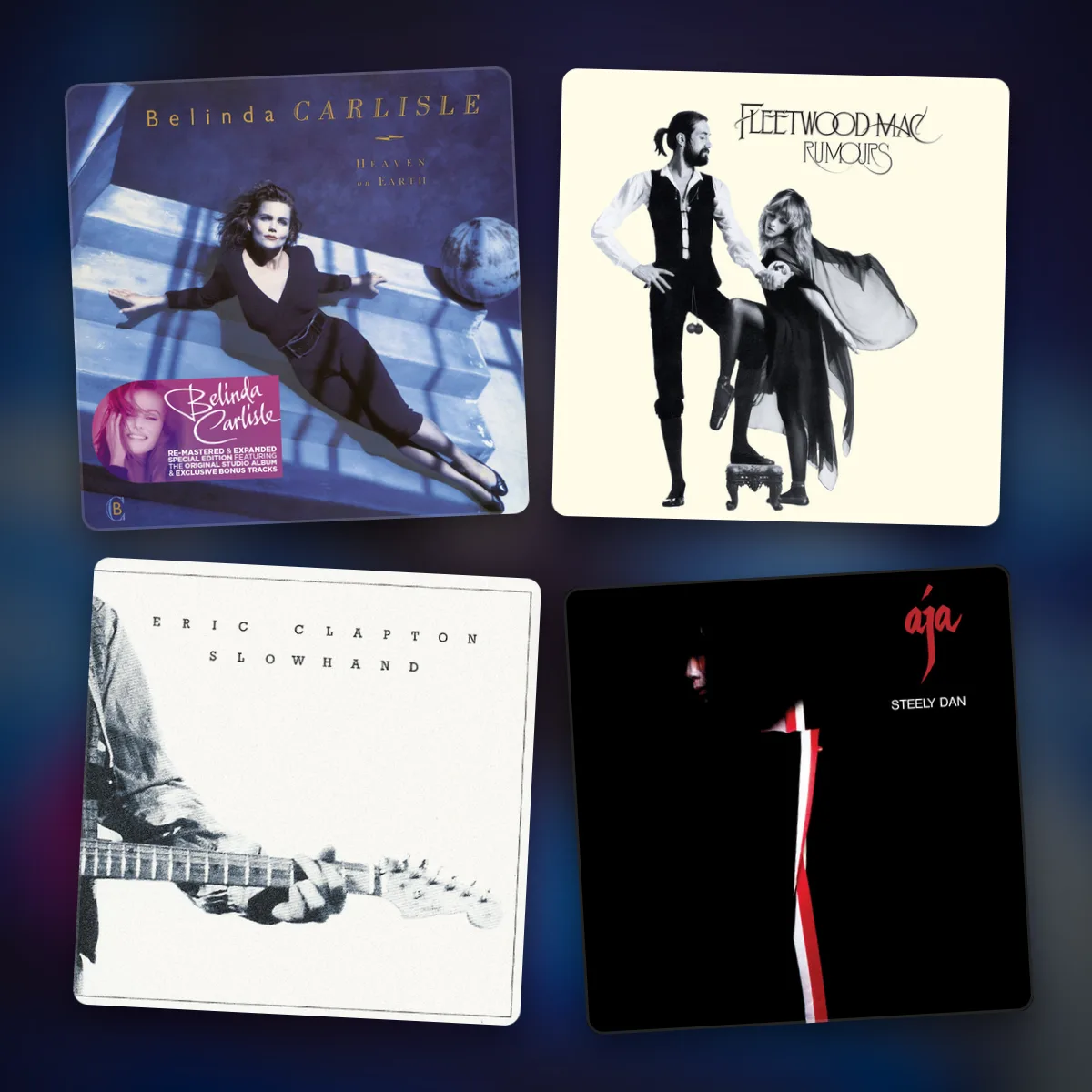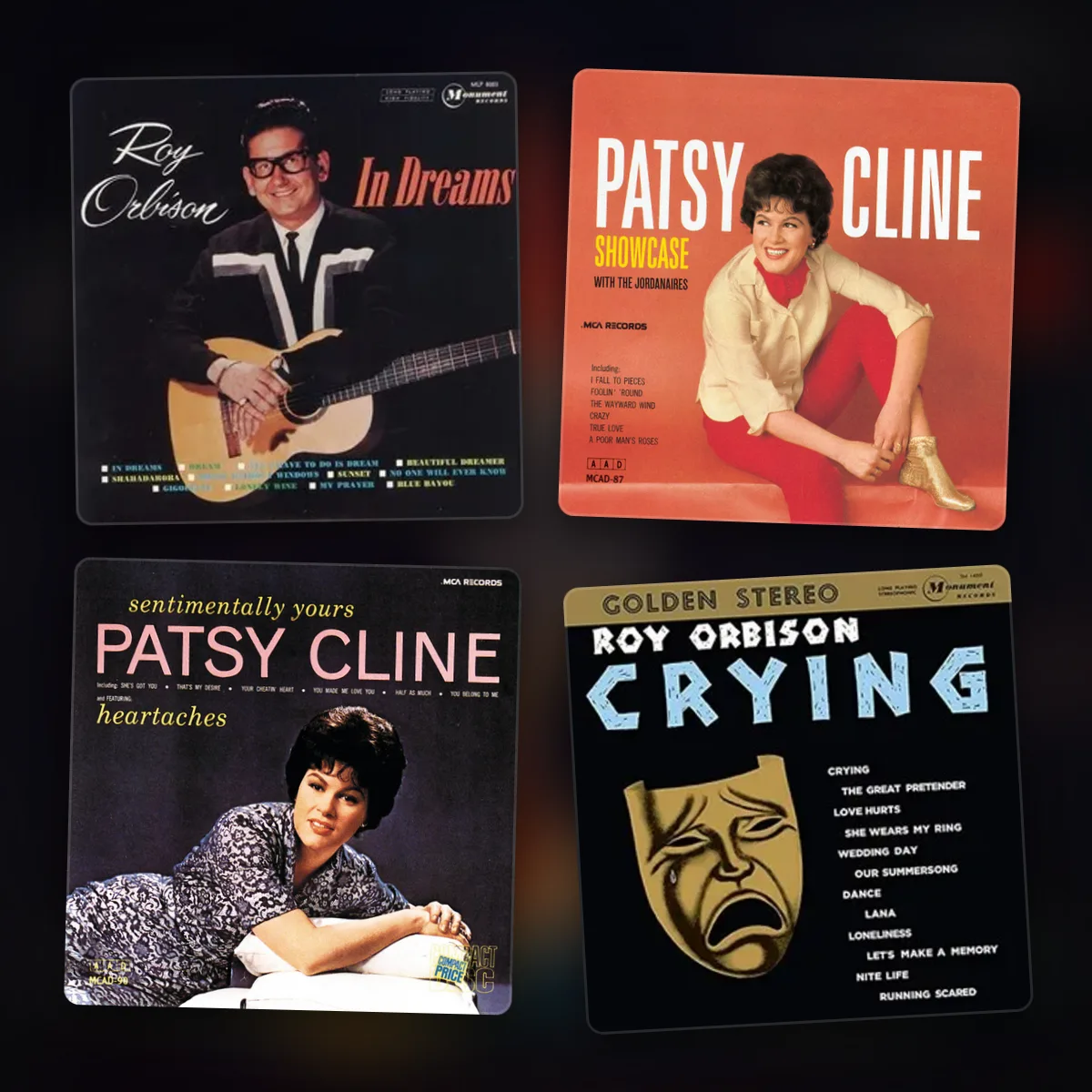
Description
Middle of the road, often shortened to MOR, is primarily a commercial radio format rather than a sharply bounded musical genre. The music associated with it puts strong melodies, vocal harmonies and light orchestral arrangements to the fore. Its broad repertoire ranges from traditional pop and easy listening to soft rock, show tunes, smooth jazz melodies and countrypolitan ballads.
MOR overlaps with soft adult contemporary in its accessible, melodic sound. The term can also be used critically: some genre-specific music enthusiasts apply it to performers they regard as favoring commercial appeal over innovation.
History
Radio roots
MOR developed in connection with WNEW in New York, whose programming retained a focus on traditional vocalists rather than following the rise of Top 40 radio. WNEW program director Dick Carr coined the term “middle of the road.”
Expansion and peak
During the 1960s and 1970s, stations used the MOR label to distinguish their adult-oriented programming from Top 40 and rock radio. The format was especially prominent on AM radio in the United States and Canada. Soft rock entered the MOR market in the late 1960s; Bread, the Carpenters and John Denver were notable MOR performers in the early 1970s.
Later use
As audiences aged and popular music moved to FM, MOR stations faced competition from adult contemporary and adult standards formats. Many switched to news and talk, though some continued playing MOR music into the early 1990s. In the mid-to-late 2000s, journalists also used the term to characterize acts they saw as aiming at broad popular tastes rather than innovation.
Melody and vocals
Start with a clear, prominent melody that remains easy to follow. Arrange the lead vocal so the tune stays central, then add harmonies to reinforce important phrases or give the refrain a fuller sound.
Arrangement
Use orchestral colors lightly rather than allowing them to obscure the vocal or melody. Because MOR encompasses several styles, you could approach the arrangement through a traditional pop ballad, an easy-listening setting or a soft rock song. A common soft rock approach is to build a steady accompaniment around the vocal and add instrumental layers selectively as the song develops.
Refinement
Listen for a balanced, accessible overall sound. If the arrangement becomes crowded, simplify competing parts and let the principal melody and harmonies carry the song.

Best playlists

Influenced by