Your digging level
Description
Meenawati is a contemporary regional folk‑pop from the Meena (Minā/Meena) community of eastern Rajasthan, India. It is sung in the Meenawati/Meena dialect (a vernacular of the broader Rajasthani–Western Hindi belt) and blends village folk melodies and wedding song traditions with modern, beat‑driven production.
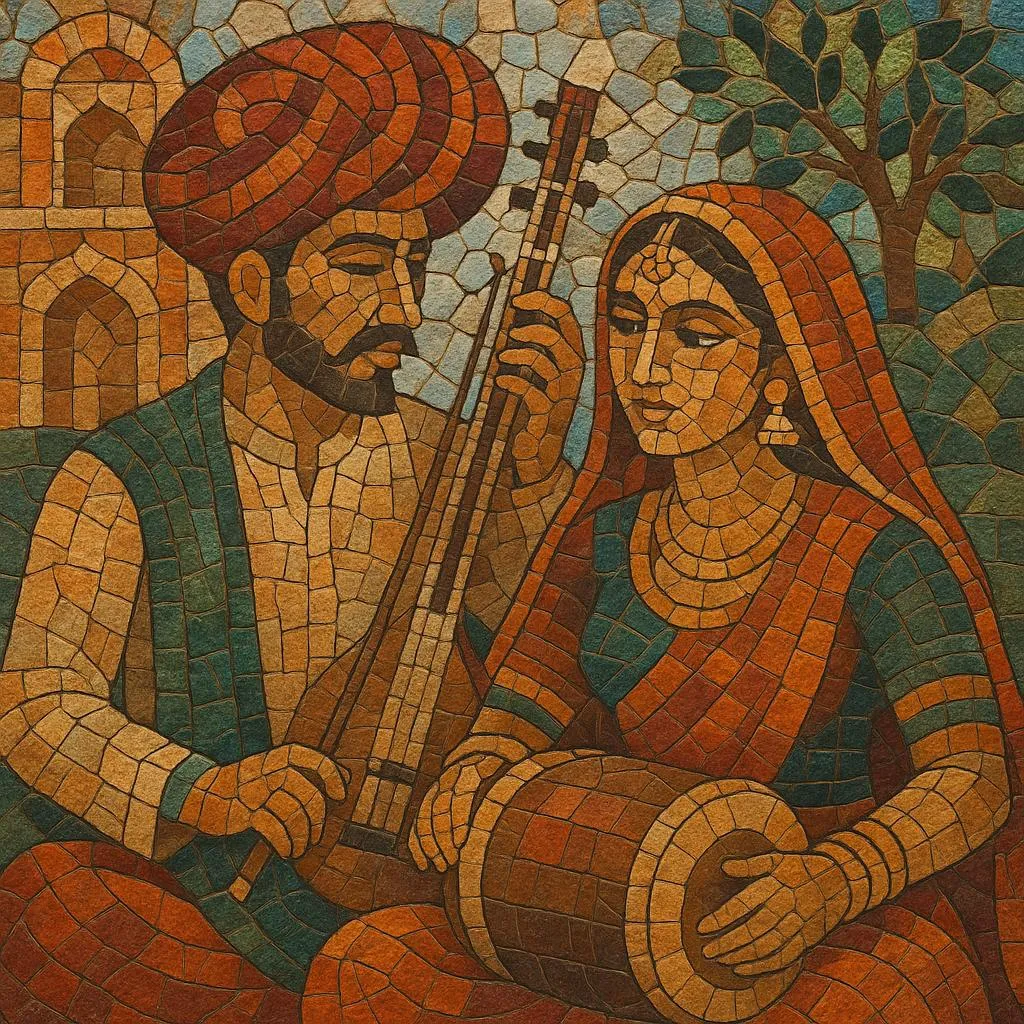
Songs are typically love duets, wedding and festival numbers, playful teasing exchanges, or pride-in-community pieces that reference local places, clan names, and everyday life. Instrumentation spans harmonium, dholak, khartal, manjira, sarangi, and morchang, alongside keyboards, programmed drums, and Auto‑Tune. Rhythms most often sit in 4/4 with Hindustani folk talas such as keherwa (8‑beat) and dadra (6‑beat), while melodies lean on raga‑tinged folk modes (often Khamaj/Mixolydian or Pahadi) and a drone‑centered tonal feel.
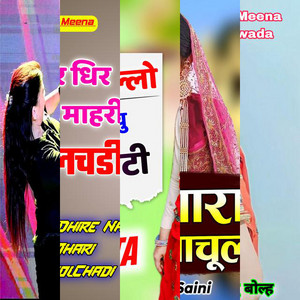
In the 2010s the style flourished on DVD/VCD markets and then YouTube and short‑video apps, where local labels and community ensembles release large volumes of singles and videos aimed at weddings, seasonal festivities, and village entertainment.
History
Meenawati draws on longstanding Meena community folk practices in eastern Rajasthan (districts such as Alwar, Dausa, Jaipur, Sawai Madhopur, and Tonk). These traditions include women’s and mixed‑group wedding repertoire, call‑and‑response village songs, and devotional pieces that share features with broader Rajasthani folk.
Local studios and mobile sound systems began recording village ensembles and duet singers for cassettes, then VCD/DVDs. Repertoires were adapted for stage programs and baraat/sangeet functions, with folk talas and harmonium–dholak foundations augmented by synthesizers and drum machines.
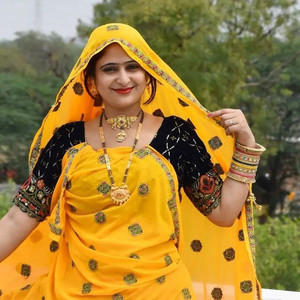
Cheap smartphones, regional cable channels, and YouTube created a thriving micro‑industry. Community labels and videographers started issuing frequent singles with performance videos—often shot in rural settings, featuring familiar dress and locations. The sound tilted further toward pop: bright synth hooks, punchy kick–clap patterns, tighter arrangements, and liberal Auto‑Tune on melismatic vocals.
Today Meenawati remains a high‑output, event‑driven scene. Songs target weddings, seasonal festivals (e.g., Teej, Gangaur), proposal/romance narratives, and local pride. Live bands still use harmonium, dholak, khartal, and morchang, while studio tracks favor keherwa/dadra grooves at danceable tempos and easily singable refrains to suit crowd participation and short‑form video virality.