

Your digging level
Description
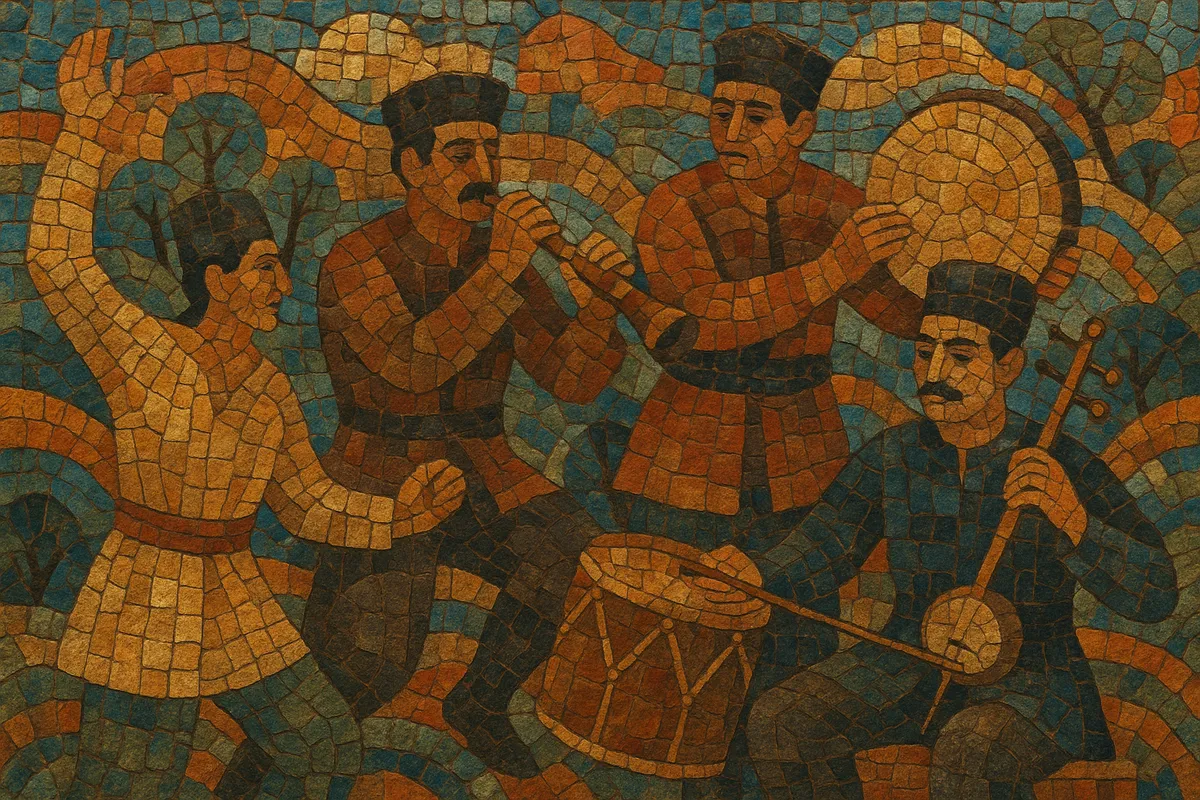
Luri folk music is the traditional music of the Lur (Luri/Lak/Bakhtiari) peoples of Iran’s Zagros Mountains. It is a living, orally transmitted art that intertwines pastoral life, epic storytelling, and communal dance.
Its sound world is defined by piercing double-reed sorna (zurna) over thunderous dohol drums for outdoor festivities, alongside intimate kamancheh (spike fiddle), tanbur, ney, and frame drums for lyrical and devotional pieces. Melodies draw on modal systems akin to Persian dastgāh, using microtonal inflections and expressive, melismatic singing in Luri dialects.
The repertoire spans celebratory dance tunes (for stick- and handkerchief-dances), love songs, laments, work songs, and heroic ballads. Call-and-response textures and strong rhythmic cycles give the music a communal, participatory character.
History
Luri folk music developed among the Lur peoples of western Iran (Lorestan, Ilam, Chaharmahal and Bakhtiari, parts of Khuzestan and Fars), rooted in pastoral lifeways, tribal gatherings, and seasonal migrations. Music functioned as a vehicle for oral history, tribal identity, and communal cohesion—marking weddings, harvests, heroic remembrance, and rites of passage.
By early modern times, Luri song styles had coalesced around modal practices related to Persian classical dastgāh while preserving regional scales and microtones. Outdoor celebrations favored the high-volume pairing of sorna (zurna) and dohol; more intimate settings used kamancheh, tanbur, ney, dayereh/daff, and sometimes setar. The voice—often ornamented with tahrir-like trills—remained central, with texts in Luri dialects.
During the 20th century, researchers and radio archivists began recording Luri repertoires, while urban ensembles adapted rural tunes for stages and broadcast. Under changing political and social conditions, community masters kept lineages alive, and regional festivals helped standardize well-known dance cycles and narrative song forms.
Today, Luri folk music appears both in traditional contexts and in arranged stage versions. Younger artists document village repertoires, blend them with Persian classical arrangements, or fuse them with global folk and pop frameworks. Community ensembles, cultural centers, and diaspora networks have broadened its audience while sustaining language and ritual practice.

Top albums
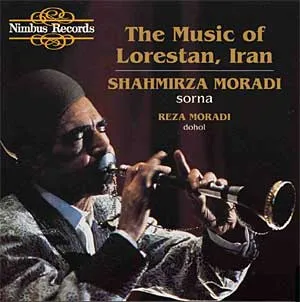
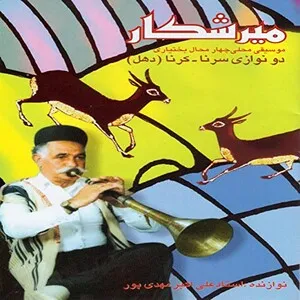
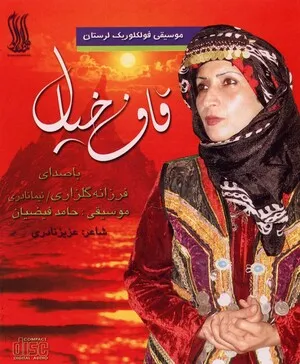
%2C%20Cover%20art.webp)
