


Description
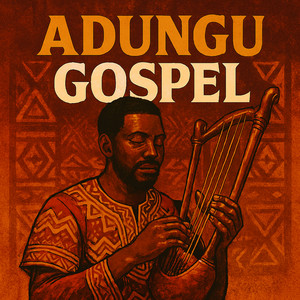
Luo music encompasses several traditions rather than a single uniform sound. One prominent form centers on the nyatiti, an eight-string lyre played rhythmically by a solo singer, often using a pentatonic scale. The performer may also sound gara bells and an oduong'o ring attached to the feet.
Other forms include wend kong'o drinking songs, dodo women's choir songs, and nyatie dero dance music associated with acoustic guitar. Ohangla is a percussion-led dance style built around the kalapapla drum. Luo guitar traditions also contributed to the development of benga, which combined them with other influences.
Sources: Rate Your Music
History
Traditional forms
Luo musical traditions are associated with communities in western Kenya and northern Tanzania. Nyatiti performance has accompanied funerals, remembrance ceremonies and social gatherings, while other forms have centered on choral singing, dancing and drinking songs.
Guitar and benga
After World War II, returning soldiers and laborers helped spread acoustic guitars in Luo communities. Guitar playing was incorporated into existing traditions, and Olima Anditi became influential for a fingerpicked singing style grounded in Luo music.
In the early 1960s, Adero Onani and Dick Ngoye further developed Luo guitar music, drawing partly on neighboring Luhya omutibo and partly on the nyatiti tradition. Congolese styles such as soukous later helped shape benga, which The Ogara Boys helped pioneer. Benga spread beyond Luo culture and took on traditions from other Kenyan communities.
Wider audiences
Nyatiti musicians including Ayub Ogada have reached international audiences through the world music market. Ohangla, originally a percussion-based dance form, was also incorporated into a popular guitar-band format.
Choose a tradition
Start by deciding which Luo form you want to work with: a solo nyatiti song, a women's choir piece, an acoustic-guitar dance song or percussion-led ohangla. These forms have different instrumental and social settings, so there is no need to force them into one arrangement.
Build the music
For a nyatiti-inspired piece, combine a sung part with a rhythmically played lyre pattern and explore a pentatonic pitch collection. If available, add foot percussion with bells and a ring, coordinating their pulses with the plucked part.
For a guitar-led approach, you could adapt interlocking plucked patterns to acoustic guitar and sing over them. Fingerpicking offers a way to give the guitar a continuous rhythmic role. For an ohangla-inspired dance arrangement, begin with a prominent drum rhythm and build the other parts around it; a guitar-band texture is another possible direction.


Best playlists

Influenced by


Has influenced

