Your digging level
Description
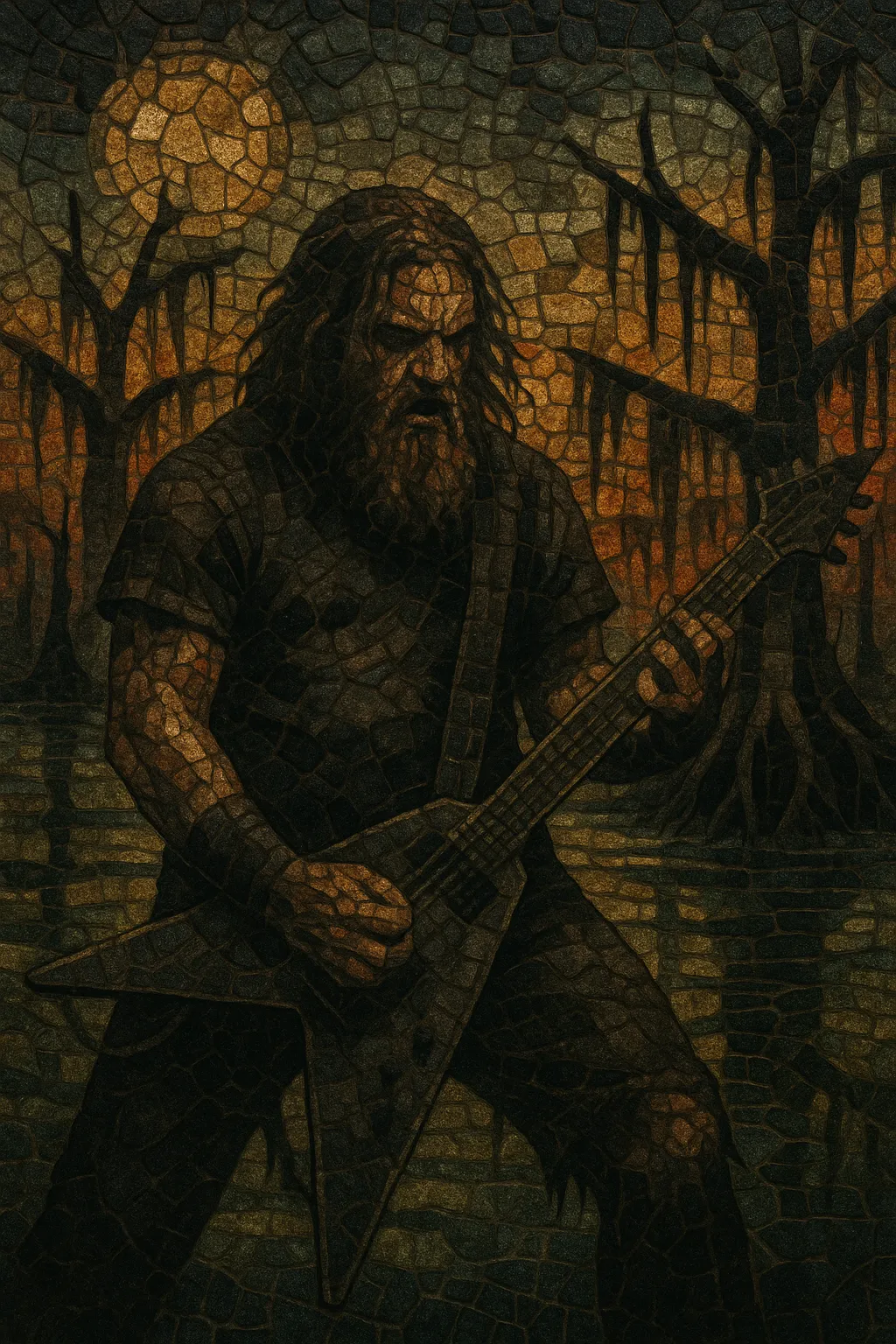
Louisiana metal is a heavy music movement centered on New Orleans (NOLA) and the wider state of Louisiana. It fuses doom’s weight, hardcore punk’s abrasion, and bluesy Southern groove into a humid, "swampy" sound marked by lurching mid‑tempo riffs, cavernous low end, and feedback‑drenched guitars.
Typical hallmarks include down‑tuned guitars, thick and gritty amp tone, half‑time swing, and raw, hoarse vocals that range from desperate shouts to death‑rasps. Lyrical themes often draw on addiction, despair, religion, Southern Gothic imagery, environmental hardship, and post‑hurricane resilience—evoking the region’s atmosphere as much as its musical heritage.
While diverse—spanning sludge, groove, blackened thrash, and doom—the scene shares a communal DIY ethos, a preference for live, unvarnished production, and a uniquely Louisiana sense of groove and gravity.
History
Louisiana metal coalesced in the late 1980s as local musicians—steeped in blues, Southern rock, and punk—absorbed the slow, crushing weight of doom and the gnarlier edges of early sludge. DIY practice spaces, small clubs, and tape‑trading networks connected bands across the Gulf Coast. Groups like Exhorder helped codify a muscular, grooving interpretation of thrash that would ripple out far beyond the state.
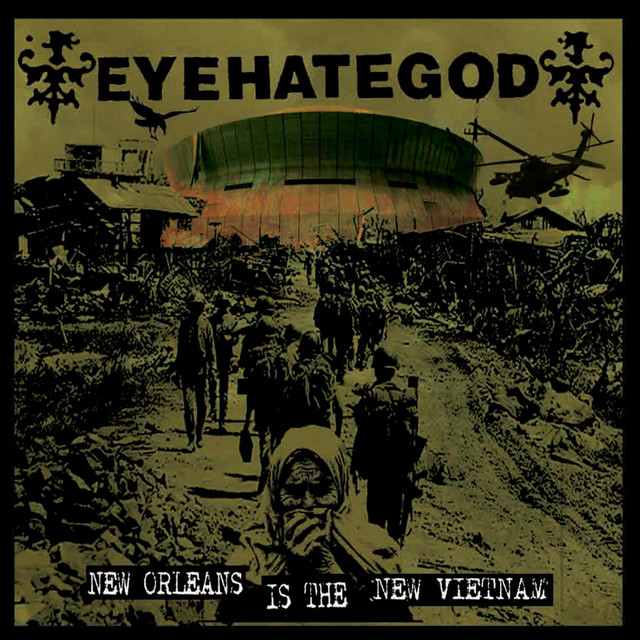
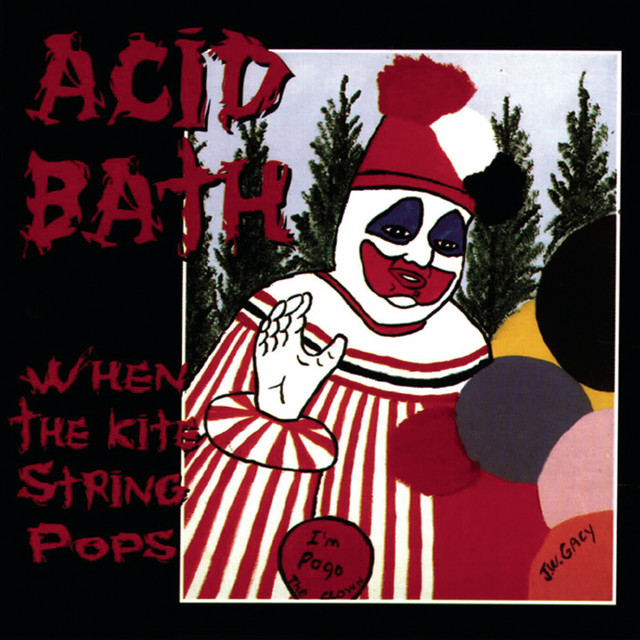
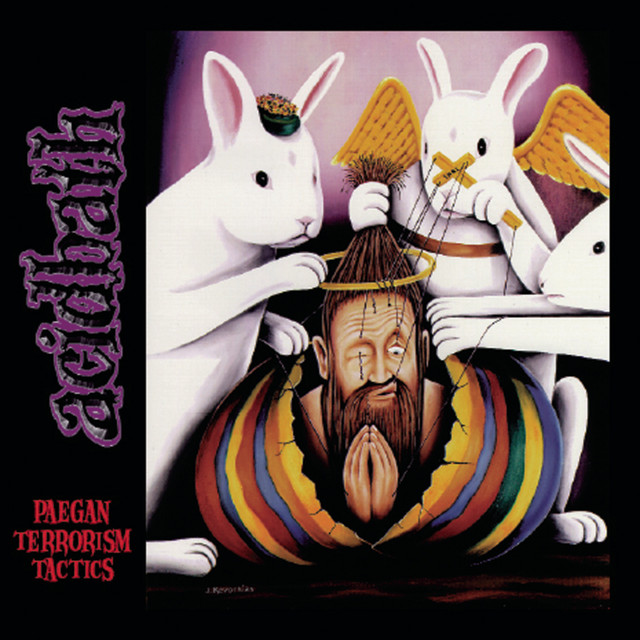
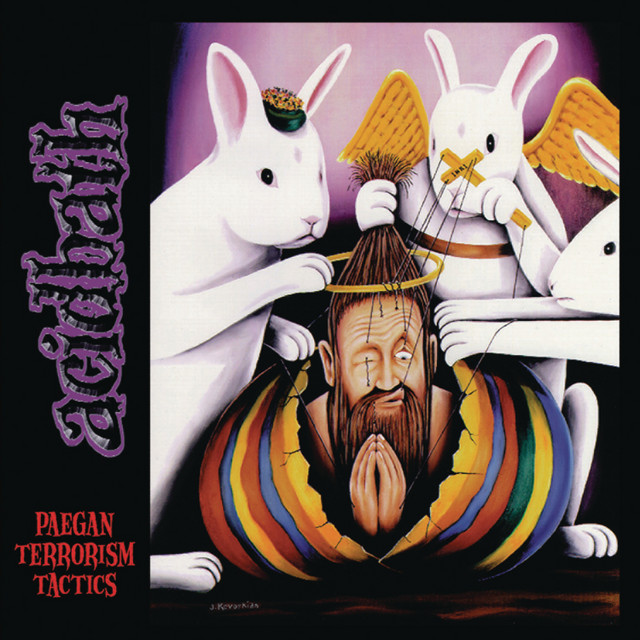
The 1990s cemented the sound’s identity. Eyehategod distilled feedback, blues phrasing, and hardcore abrasion into a definitive sludge blueprint; Crowbar brought ultra‑down‑tuned, emotionally heavy doom‑groove; Acid Bath folded in dark psychedelia and Southern Gothic lyricism. The supergroup Down (whose 1995 album was famously titled “NOLA”) broadcast the scene’s vibe internationally, while Soilent Green fused grind, sludge, and groove with whiplash precision. Independent labels, relentless touring, and word‑of‑mouth mythologized New Orleans as a capital of oppressive, soulful heaviness.
The 2000s saw new directions and setbacks. Goatwhore pushed a blackened death/thrash variant, while established acts evolved through lineup changes and side projects. Hurricane Katrina (2005) devastated the region, displacing musicians and venues, yet the scene rebounded with benefit shows, collaborative recordings, and a renewed sense of communal purpose—further deepening the music’s themes of survival and loss.
A new wave—Thou, Cane Hill, Capra and others—blended sludge, doom, post‑metal, metalcore, and hardcore while maintaining the core Louisiana feel: thick groove, heavy atmosphere, and unvarnished sincerity. Digital platforms spread the NOLA aesthetic globally, influencing bands across heavy subgenres and reinforcing Louisiana metal as a distinctive, enduring regional lineage within the broader metal world.