


Description
Los Angeles hardcore was a local hardcore punk scene that emerged in and around Los Angeles in the late 1970s. It was a community and a way of organizing music, rather than a separate musical style. Its bands played fast, short songs with a harsher, more confrontational edge than the punk rock that preceded them.
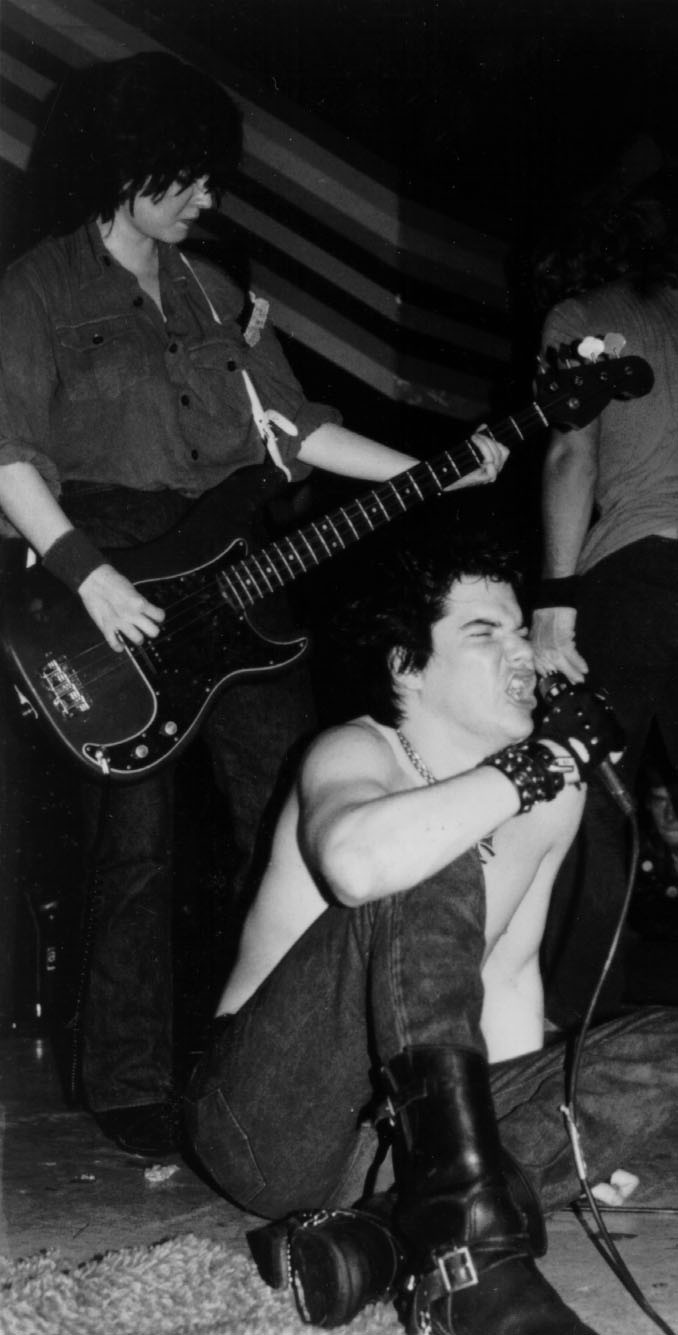
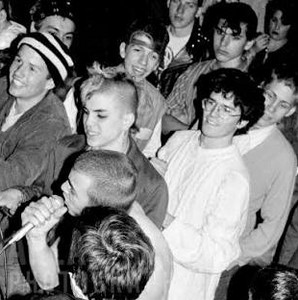
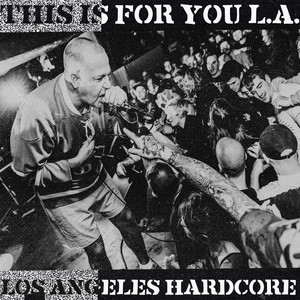
The scene drew heavily on suburban youth and a do-it-yourself network of bands, fanzines, independent labels and venues. Lyrics could address contemporary politics or express alienation and frustration with suburban life. Live performances were intense, and violence became an increasingly divisive feature of the scene.
Sources: Rate Your Music
History
Formation
Los Angeles hardcore emerged in the late 1970s partly in response to the Hollywood punk scene. Early bands including The Middle Class and Black Flag pushed toward a faster and harsher sound. Hong Kong Café and Cathay de Grande became important places for performances.
An independent network
Fanzines including Slash and Lobotomy helped circulate punk culture, while bands booked their own shows and worked with independent labels. SST Records and New Alliance Records grew from outlets for bands to release their own music into significant contributors to the American underground. Minutemen were among the bands whose lyrics addressed contemporary politics, including the administration of Ronald Reagan.
Diversification and legacy
During the 1980s, rising violence and divisions alienated some participants. By the middle of the decade, bands were moving in different musical directions: Bad Religion and Descendents drew on punk's melodic side, helping lay the groundwork for skate punk and melodic hardcore, while Minutemen and Black Flag experimented beyond punk. The scene became increasingly fragmented by the late 1980s, but its offshoots continued to shape the regional punk underground.
Write for direct impact
Start with the scene's hardcore punk foundations: build short songs around fast, forceful playing and a confrontational performance. Keep the arrangement focused, using abrupt changes and repeated sections to give the song a sense of urgency rather than stretching out its ideas.
Find a lyrical perspective
Write from a specific sense of frustration, alienation or social criticism. You could address the politics of your own time or use images of everyday suburban life to make a broader feeling concrete.
Build a scene around the music
In the spirit of the scene's do-it-yourself culture, you could arrange your own shows, make a small publication to share music and ideas, or work with other bands on independent releases. For a more exploratory approach, take the scene's later diversification as an invitation to bring outside musical ideas into a hardcore punk framework.


Best playlists

Influenced by

Has influenced


