


Your digging level
For this genre
0/8
🏆
Sign in, then listen to this genre to level up
Description
Logobi is an Ivorian music and dance style closely associated with zouglou. The two names are sometimes used interchangeably, although logobi is considered the more recent development. Its defining context is dance: movements can portray fighting, weapons, gang signals and sexual overtures.
The music and dance express hardship alongside aspirations for prosperity, justice and peace. European developments, particularly in France, have incorporated electric and tecktonic elements and placed less emphasis on the gang imagery of the original dance.
History
Ivorian beginnings
Logobi appeared in Côte d'Ivoire in 1986 and first gained popularity on university campuses in Abidjan. Its dance builds on traditional zouglou movement while adding new elements. Although the terms are sometimes used interchangeably, zouglou is described as the older form.
Beyond Côte d'Ivoire
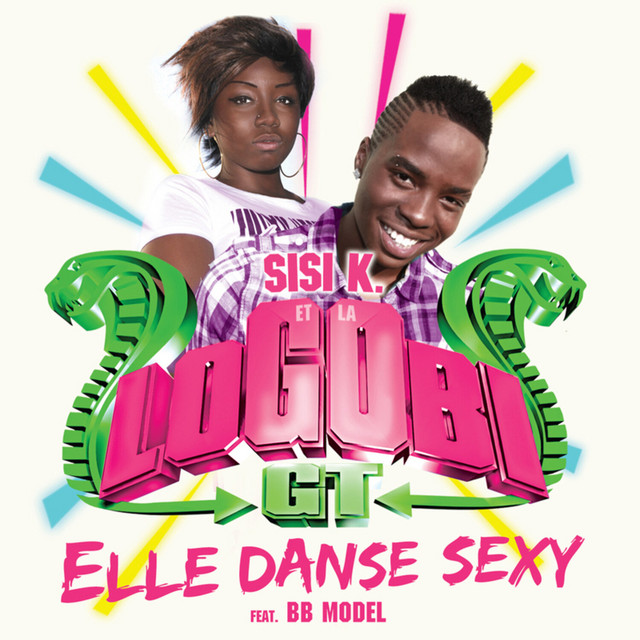
Logobi spread among performers in neighboring African countries and in Europe, particularly within African immigrant communities in France. The European development incorporated electric and tecktonic elements and adapted the dance for younger audiences. Artists associated with the style include Les Garagistes, Espoir 2000, Magic System, LogobiGT and Yang Systeme.
Begin with the dance
Build the piece around a rhythm that dancers can follow and return to. Try a repeating rhythmic pattern, then introduce changes that give the dancers clear opportunities to switch movements. The relationship between the music and the choreography is a useful starting point for shaping the arrangement.
Develop an arrangement
You could layer percussion and a recurring accompaniment, leaving space for a lead part or vocals. Repetition can make the dance pulse easy to recognize; changes in instrumentation or rhythmic emphasis can help distinguish sections without losing that pulse. These are practical options rather than fixed requirements of logobi.
Explore the European development
For an approach influenced by the European form, experiment with electric timbres and tecktonic-inspired dance textures. Consider how the energy of each section will support the movements you want to accompany.
Best playlists





Users’ favorites
Tracks
Share your favorite track to see the other users’ ones
Artists
Share your favorite artist to see the other users’ ones
Albums
Share your favorite album to see the other users’ ones
Upcoming concerts
in this genre
Influenced by

Has influenced
No genres found
