Your digging level

For this genre
0/8
🏆
Sign in, then listen to this genre to level up

Description

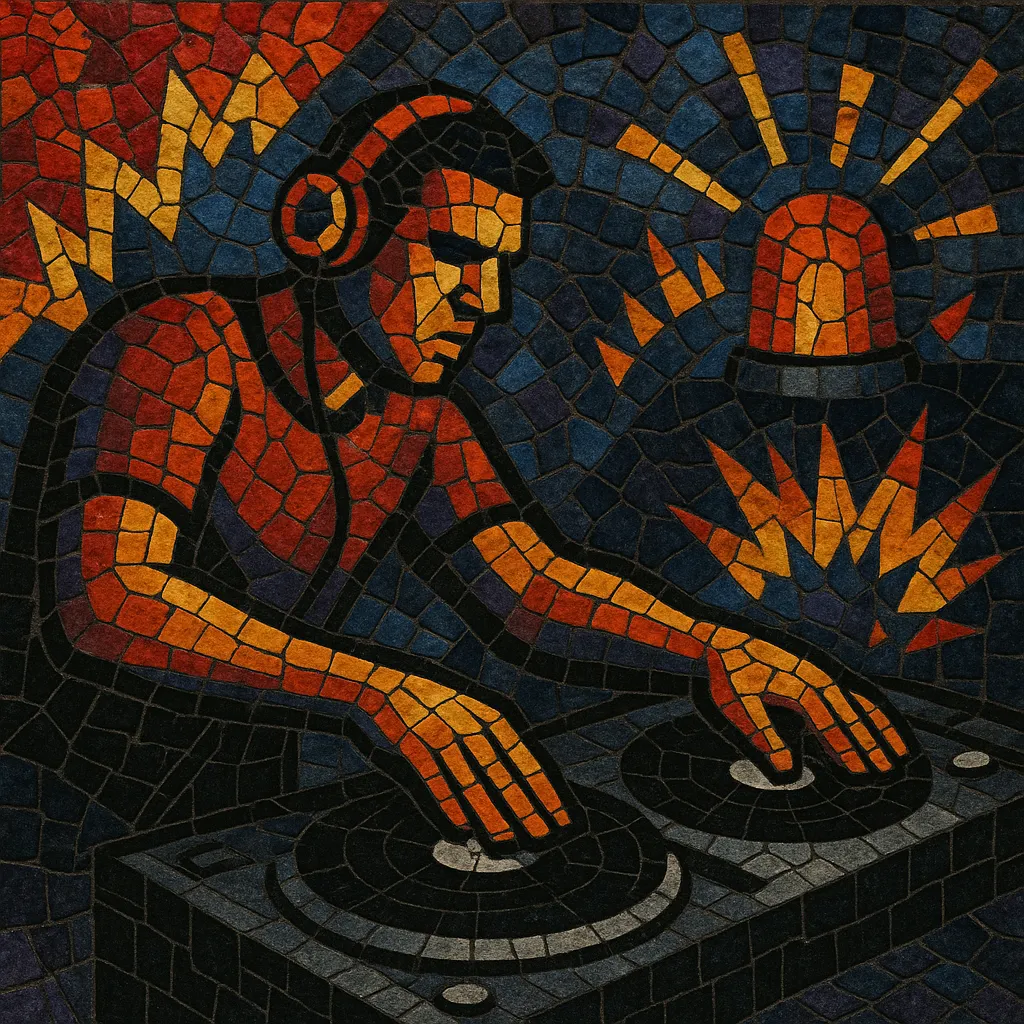
LA hard house (Los Angeles hard house) is a high-energy, stripped‑down strain of U.S. hard house associated with the Southern California rave and mega‑club circuit of the late 1990s and early 2000s.

It is characterized by distorted, minimalistic TR‑909‑driven rhythms, tightly looped percussion, and simple but dramatic build‑and‑drop arrangements. Melodically it tends to rely on high‑pitched synthesizer riffs and classic Alpha Juno "hoover" timbres, with short vocal stabs, sirens, and FX used more for hype than for narrative. The result is a relentlessly functional dancefloor style designed for peak‑time intensity and large sound systems.


Sources: Spotify, Wikipedia, Discogs, RYM, MB, user feedback and other online sources

History

Origins and context (mid–late 1990s)

LA hard house emerged from the late‑’90s Southern California rave and super‑club ecosystem—rooms like Arena, Circus, and Masterdome—and from promoter circuits that prized maximal energy and rapid DJ mixing. Musically, it drew on the straight‑ahead pulse of house (often built around the Roland TR‑909), the tougher timbral palette of early techno and Belgian hoover sonics, the uplift of Hi‑NRG, and the euphoric drops and snare rolls of hard trance and rave.

Sound system pragmatism

The style evolved as a pragmatic DJ’s tool: concise intros and outros for quick blends; stark, overdriven kicks and claps to cut through big halls; and simplified, climax‑oriented structures that kept crowds peaking. Hoover leads and piercing synth whistles provided an immediately recognizable top line while leaving plenty of headroom for the drums to dominate.

Local heroes and distribution

LA‑based DJs helped codify the sound on mixtapes, club residencies, and U.S. compilations (including several from Los Angeles labels and distributors such as Moonshine). Their sets stitched together U.S. hard house, hard trance, and tough house imports into a distinct West Coast flavor—leaner, louder, and more percussive.

Peak and diffusion (late 1990s–early 2000s)

At its peak, LA hard house was a staple at major SoCal events and road‑trip raves across the Southwest. As the 2000s progressed, its DNA—distorted 909 drums, hoover motifs, and peak‑time snare builds—bled into adjacent American hard dance and, indirectly, into early hardstyle aesthetics abroad. While the name is geographically specific, the sound now functions as a recognizable U.S. hard‑dance shorthand from that era.
How to make a track in this genre

Core tempo and groove
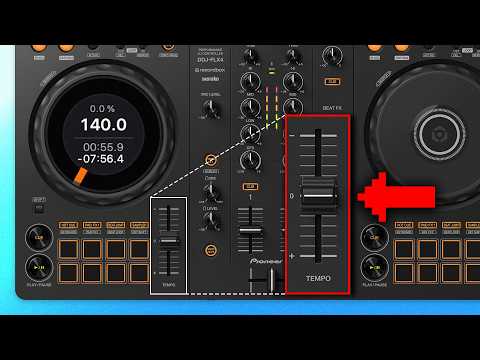
•   Aim for 138–145 BPM. •   Foundation is a TR‑909 style kit: a heavy, slightly overdriven 4/4 kick, bright off‑beat open hats, tight 16th‑note shakers, and a snappy 909 clap on 2 and 4. •   Use rolling snare builds (16ths or 32nds) to set up the classic LA hard house climax.
Sound design and timbre
•   Feature high‑pitched synth hooks—hoover stabs (Alpha Juno‑style PWM hoovers), supersaws, or square‑lead whistles. •   Keep the mix drum‑forward: saturate or clip kicks and claps lightly so they stay on top of dense rooms. •   Layer short FX (sirens, reverse cymbals, uplifters) to signal transitions without cluttering the spectrum.
Harmony and arrangement
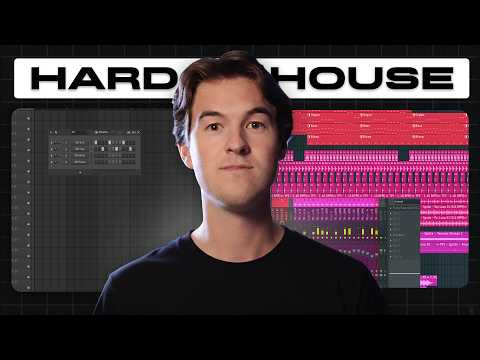
•   Minimal harmonic content—1–2 note riffs or short modal loops. The interest comes from energy shifts, not chord changes. •   Structure around simple tension/release: 16–32 bar intro → groove → breakdown with snare roll and noise riser → big drop → ride‑out. •   Arrange for quick mixing: clean percussive intros/outros, sparse mid‑sections that tolerate doubles.
Vocals and sampling
•   If used, keep vocals to hyped shouts, diva one‑shots, or looped phrases—processed with short delays or flangers for movement. •   Chops should be rhythmic and repetitive; avoid long narrative phrases.
Production tips
•   Sidechain hoovers and FX to the kick to preserve impact. •   Use high‑pass filters in breakdowns to exaggerate the drop. •   Reference on a loud system: the genre’s balance assumes club SPLs and needs assertive mid/high transients.

Top albums

Top tracks

Locked
Share your favorite track to unlock other users’ top tracks

Upcoming concerts

in this genre
Has influenced

Download our mobile app

Get the Melodigging app and start digging for new genres on the go
© 2026 Melodigging
Melodding was created as a tribute to Every Noise at Once, which inspired us to help curious minds keep digging into music's ever-evolving genres.
Buy me a coffee for Melodigging