Your digging level
Description
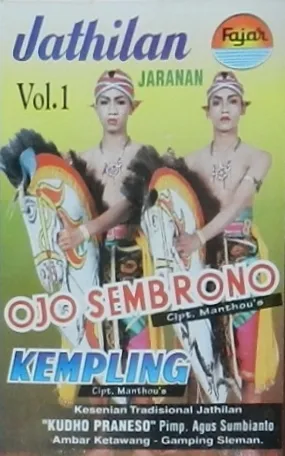
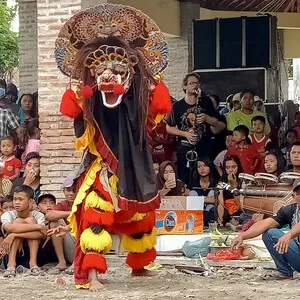
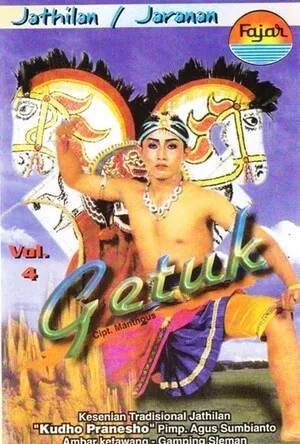
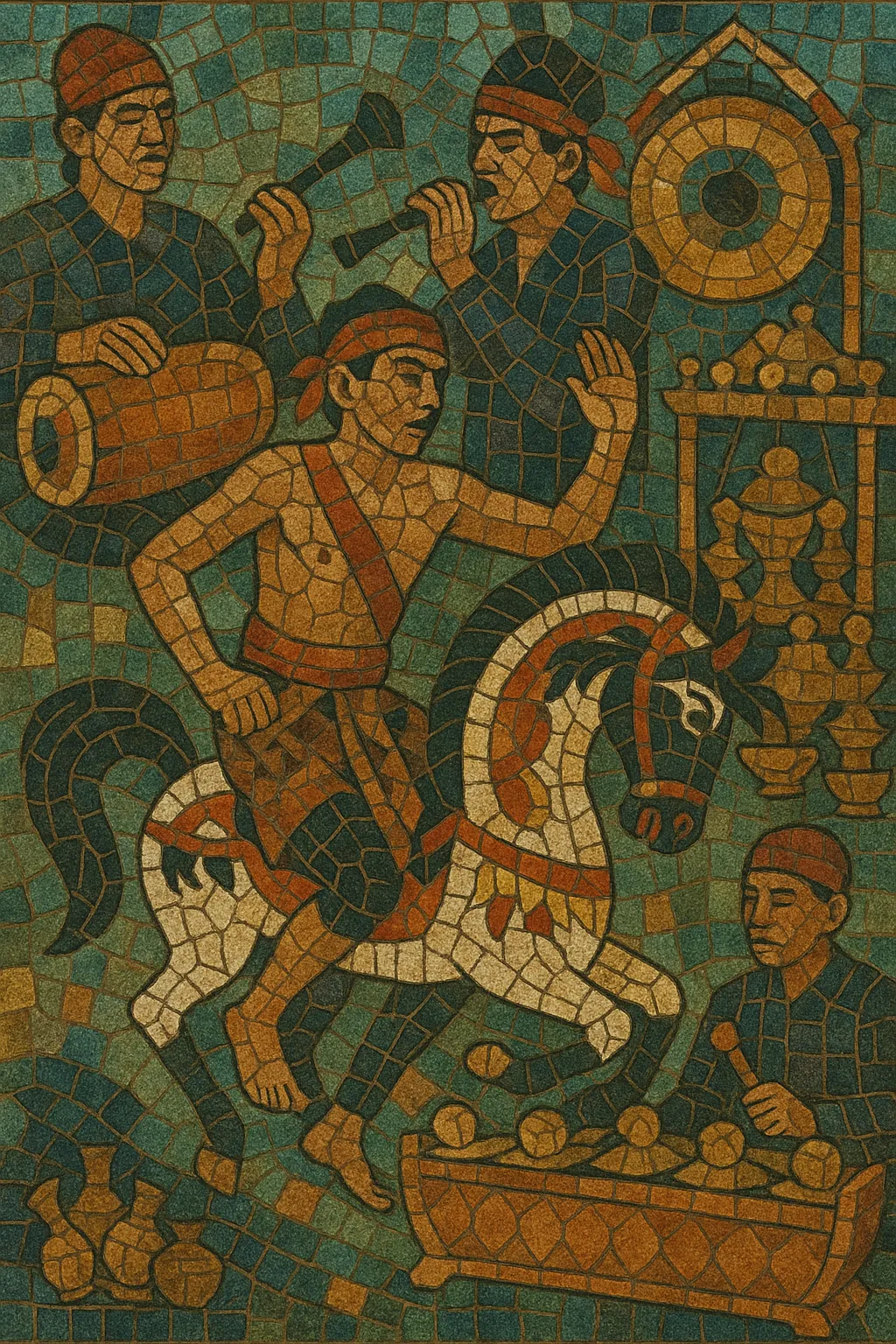
Kuda Lumping (also called Jaran Kepang/Jathilan/Ebeg, depending on region) is a traditional Javanese dance-and-music genre from East and Central Java, Indonesia that depicts horsemen riding flat, woven-bamboo horses. Ensembles accompany the dancers with a lean, high-impact subset of the Javanese gamelan that emphasizes loud, percussive instruments and removes many of the softer timbres.
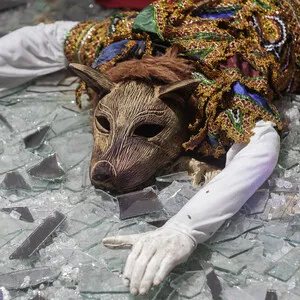
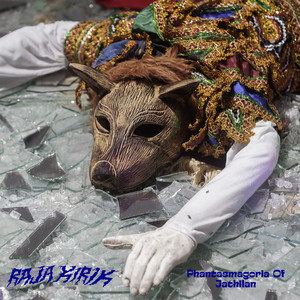
Performances range from festive, martial parades to trance ceremonies. In trance-oriented variants, dancers may exhibit feats of invulnerability—such as eating glass, walking on hot coals, or withstanding whipping—under close supervision by ritual handlers. The music drives these states with cyclic gong structures, insistent drum leads, piercing shawm (slompret) calls, metallic time-keepers (kecrek), and bright metallophones in slendro or pelog tuning.
History
Kuda Lumping is widely associated with Ponorogo (East Java) and neighboring Javanese regions, with roots that likely coalesced between the 17th–18th centuries under court and village influences. The dance dramatizes cavalry troops and local heroic lore; in many places it is performed to celebrate communal milestones, processions, and harvest or village rites.
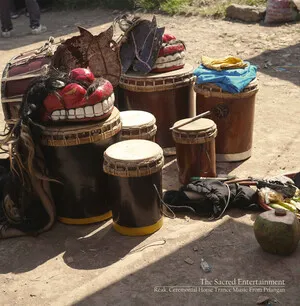
The music adapts Javanese gamelan for outdoor, mobile performance: loud, portable instruments (kendang drums, saron/peking metallophones, kenong, kempul, large gongs, bendhe/flat gong, kecrek) dominate, while softer court instruments are minimized. In some regions a slompret (double-reed shawm) punctuates transitions. Repertoires often move in fast lancaran/srepeg-like gong cycles, with sharply articulated drumming that cues choreography and trance segments.
Some variants (often called jathilan or ebeg) retain a ritual framework in which selected dancers enter controlled trance states. Handlers (pawang) guide, protect, and eventually bring participants out of trance through counter-rituals, changes of tempo, and specific cadential cues.
• Ponorogo (East Java): strongly linked to Reyog traditions and martial imagery.
• Central Java/Yogyakarta: commonly called jathilan; ensemble balance can be more metallophone-forward.
• Banyumas (Central Java, "ebeg") and Banyuwangi (Turonggo Yakso): local drumming feels, bendhe colors, and dance vocabularies mark distinct substyles.
In the 20th–21st centuries, Kuda Lumping thrived in village arts associations (paguyuban), street festivals, and staged presentations. Its propulsive beat influenced popular hybrid styles in Java (e.g., the high-energy drumming aesthetics that later informed dangdut koplo), and its sonic palette is sampled in Indonesian EDM and media productions while community troupes continue to transmit the tradition.
Use a loud-style Javanese gamelan subset: kendang (lead drums), saron/peking (metallophones), kenong/kempyang, kempul, gong ageng/suwukan, bendhe (flat gong), kecrek (metal clappers), and optionally slompret (shawm) and vocal calls. Favor portable, outdoor-ready instruments.
Compose in Javanese slendro or pelog. Keep melodic cells short and repetitive, emphasizing cyclic motion aligned to gong punctuations.
Base pieces on fast, square cycles akin to lancaran or srepeg. The kendang leads with clear signal patterns: openings (buka), processional sections, riding/gallop figures, trance intensifications, and cadential releases. Maintain a driving tempo for dance; tighten drum accents and kecrek offbeats to heighten excitement.
Prioritize metallic attack (saron/peking) and strong vertical punctuations (kenong–kempul–gong). Thin or omit soft instruments; let the slompret or shouted cues mark transitions and cue choreography.
Write musical cues for horse-ride motifs, mock combats, and trance entrances/exits. In ritual versions, coordinate with a handler (pawang) to pace intensification and safely resolve trance.
Keep sections modular and loopable for flexible duration. Use call-and-response drum cues with dancers. Outdoor balance is crucial: project the beat and gong points so movement remains synchronized.

Top albums