Your digging level
Description
Kizomba antigas refers to the classic, early wave of kizomba recordings and performance practice—the "oldies" (antigas, in Portuguese) that crystallized the genre’s sound before later modern and electronic refinements.
Built on a mid‑tempo 4/4 groove (usually ~86–96 BPM), classic kizomba blends Angolan semba’s lilt with the smooth harmonic language and production aesthetics of francophone zouk/compas. Its hallmark is a warm, rounded low end, gently syncopated basslines, and intimate, romantic vocals—most often in Portuguese or Cape Verdean Kriolu—carrying themes of love, longing, and saudade.
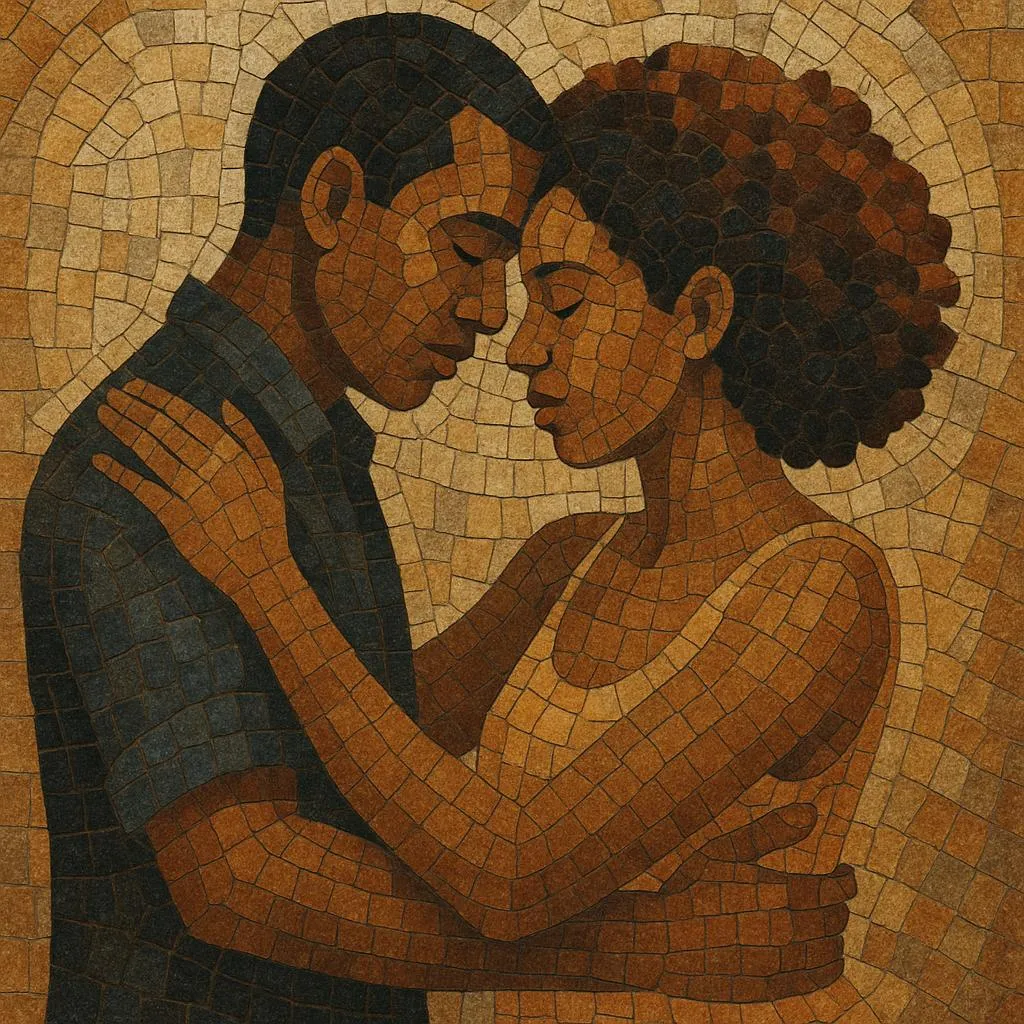
In contrast to newer, punchier club variants, kizomba antigas favors organic percussion, clean electric guitar comping, and soft synth pads, emphasizing dancer connection and subtle body lead rather than showy floorwork.
History
Kizomba emerged in Angola in the late 1980s as urban musicians began softening and slowing the lively Angolan semba, blending it with the silky production and harmonic vocabulary of Caribbean zouk and Haitian compas. Early studios and bands in Luanda experimented with drum machines and smooth electric bass, adapting semba’s guitar phrasing to a slower, more intimate dance tempo.
By the 1990s, a clearly defined studio sound had taken hold: lush pads, gentle percussion, clean guitar arpeggios, and romantic vocals. This period birthed many of the most cherished “antigas,” with artists shaping a repertoire that would travel across the Lusophone world. Angola’s scene dialogued constantly with Cape Verdean and Portuguese diasporas; Cape Verdean artists adopted and hybridized the style with coladeira influences, while Portuguese labels helped distribute and codify the sound.
The golden‑age recordings spread through social gatherings, radio, and diasporic nightclubs in Lisbon, Rotterdam, Paris, and beyond. Dance communities refined close‑embrace technique around these tracks, privileging connection, musicality, and subtle lead‑follow over acrobatics. As the 2000s progressed, production modernized and splinter styles appeared (e.g., tarraxinha and, later, urban kiz), but the “antigas” remained the pedagogical and emotional core of the dance.
Kizomba antigas continues to serve as the canon for social dancers and DJs, prized for its warmth, lyric intimacy, and dancer‑friendly arrangements. It anchors teaching curricula, inspires contemporary songwriters, and functions as a reference point against which newer, club‑oriented kizomba variants are measured.