Your digging level

For this genre
0/8
🏆
Sign in, then listen to this genre to level up

Description

Kamba pop is contemporary popular music from Kenya’s Kamba (Akamba) community that fuses the driving guitar patterns of Kamba benga with modern pop production.

Sung primarily in Kikamba (often mixed with Swahili), it favors story‑driven lyrics about love, everyday life, humor, morality, and social commentary. Arrangements typically feature interlocking lead and rhythm guitars over a brisk 4/4 groove, call‑and‑response hooks, and bright, dance‑ready choruses. Since the 2000s, drum machines, synth bass, and polished studio techniques have updated the classic band sound, while a strong gospel current remains audible in melodies and harmonies.

On dancefloors across Ukambani and beyond, Kamba pop functions as both community soundtrack and cross‑regional Kenyan pop, bridging elders’ benga heritage with youth‑oriented pop aesthetics.


Sources: Spotify, Wikipedia, Discogs, RYM, MB, user feedback and other online sources

History

Roots (1970s–1990s)

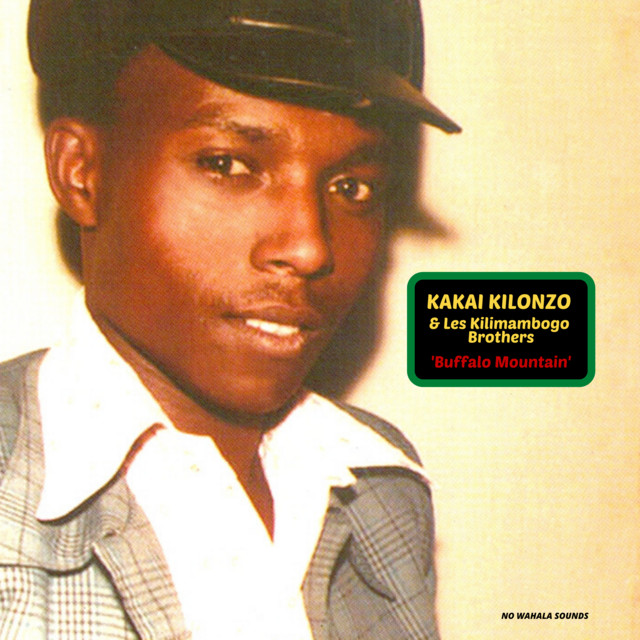
Kamba popular music grew out of the nationwide rise of Kenyan benga, whose interlocking guitar lines and steady four‑to‑the‑floor pulse were localized by Kamba bands. Pioneers such as Kakai Kilonzo (with Les Kilimambogo Brothers), Peter Muambi (Kyanganga Boys Band), and Bosco Mulwa helped define a Kamba benga vocabulary—storytelling in Kikamba, nimble lead guitar, and communal dance functions—that would anchor later "pop" iterations.

Pop turn and regional mainstream (2000s)

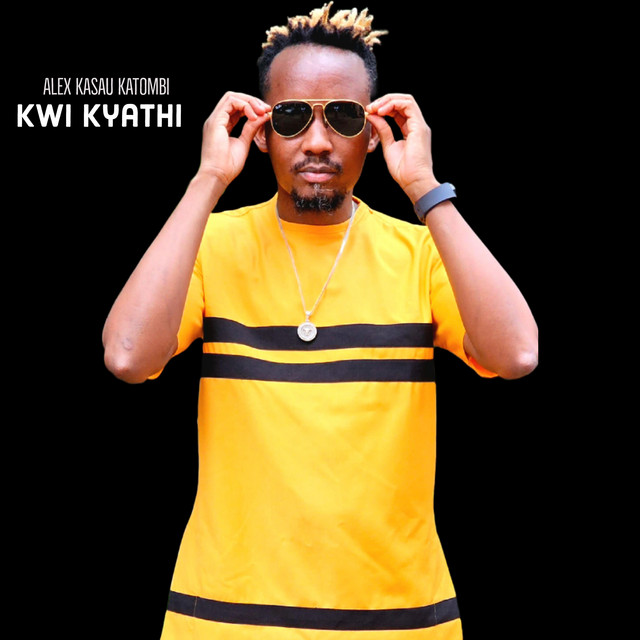
From the early 2000s, a new generation professionalized the scene, modernizing arrangements and presentation while retaining benga’s core grooves. Larger working bands (e.g., Yatta Orchestra International) and prolific solo leaders (Ken wa Maria, Alex Kasau “Katombi,” Maima, Kativui) pushed Kamba‑language hits into the Kenyan mainstream. VCDs/YouTube, FM radio, and cross‑county touring expanded audiences.

Hybridization and gospel crossover (2010s–present)

Producers folded drum machines, synth pads, and tighter pop song forms into the guitar band template. Collaborations with Kenyan rappers and Afropop acts, plus a thriving Kamba gospel stream (e.g., Stephen Kasolo, Peace Mulu, Stella Mengele), reinforced Kamba pop’s dual identity: dance music for social events and devotional/pop balladry. Today the style remains a lively regional engine with national resonance, its signature being benga drive in modern pop clothes.


How to make a track in this genre

Core groove and tempo
•   Start with a brisk 4/4 at roughly 110–140 BPM. Keep the kick steady on beats 1 and 3, snare/clap on 2 and 4, and a busy hi‑hat or shaker for forward motion. Conga or kit toms can mirror local mbeni/kilumi accents.
Guitar architecture
•   Use two or three clean electric guitars: a bright lead playing melodic ostinatos and short answering fills; a rhythm guitar arpeggiating triads; and, optionally, a second lead for call‑and‑response. Keep parts interlocking rather than strumming in unison. •   Bass should be active and melodic, often anticipating chord changes and "walking" between roots to glue the groove.
Harmony and form
•   Diatonic progressions in major keys are common (I–IV–V, I–vi–IV–V). Verses tell the story; pre‑chorus builds tension; choruses are hook‑heavy and repeatable. Instrumental breaks spotlight lead guitar.
Melody, language, and lyrics
•   Compose singable, pentatonic‑friendly melodies with strong refrains. Write in Kikamba (sprinkling Swahili for reach), using humor, proverbial wisdom, romance, or social observation. Call‑and‑response with backing vocals reinforces hooks.
Production choices
•   Blend live band with modern pop: tighten drums with layered samples, add synth bass doubling the electric bass, and tasteful pads/strings for lift. Keep guitars upfront and crisp; avoid over‑saturation so interlocking lines remain clear.
Performance practice
•   Prioritize danceability: arrange dynamic rises (breakdowns, claps, ululations), cue audience responses, and end sets with an extended vamp that cycles the chorus while guitars trade short licks.

Top tracks

Locked
Share your favorite track to unlock other users’ top tracks

Upcoming concerts

in this genre
Influenced by
Has influenced
No genres found

Download our mobile app

Get the Melodigging app and start digging for new genres on the go
© 2026 Melodigging
Melodding was created as a tribute to Every Noise at Once, which inspired us to help curious minds keep digging into music's ever-evolving genres.
Buy me a coffee for Melodigging